





Understanding the Year-Round Threat
While many associate ticks with a specific “season,” the reality for much of India is a year-round battle. [16] The country's tropical climate allows these parasites to thrive throughout the year, with notable peaks in activity during the warm, humid
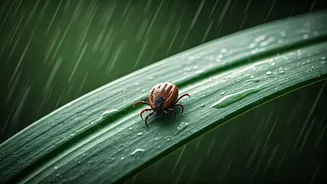
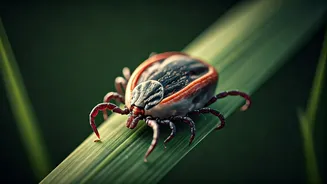
months, particularly the monsoon season. [13, 22, 27] Ticks flourish in tall grass, bushy areas, parks, and even small patches of greenery outside apartment buildings. [14, 23, 26] They can easily hitch a ride into your home on clothing or shoes, meaning even indoor pets aren't entirely safe from exposure. [5] The most common tick found on dogs in India is the brown dog tick, or Rhipicephalus sanguineus, a primary carrier of several dangerous diseases. [2, 12, 18]
The Dangers Ticks Carry: Common Diseases in India
A tick bite is more than just an irritation; it's a potential gateway for severe illnesses, collectively known as 'tick fever'. [5, 6] The most prevalent tick-borne diseases affecting dogs in India are Ehrlichiosis and Babesiosis. [2, 5, 18] Ehrlichiosis, caused by the bacterium *Ehrlichia canis*, infects white blood cells and can lead to fever, lethargy, weight loss, and bleeding disorders. [2, 18] Babesiosis, caused by a parasite that invades and destroys red blood cells, results in anaemia, pale gums, weakness, and dark urine. [2, 18] Other pathogens like *Hepatozoon canis* and *Anaplasma platys* are also common. [4, 8, 12] These diseases can progress rapidly and, if left untreated, may lead to organ failure and can be fatal. [5, 6, 10]
Your Proactive Prevention Toolkit
Prevention is the most effective strategy against ticks. A multi-layered approach is often recommended by veterinarians. [14] Options include vet-approved spot-on treatments, which are applied monthly to the skin and disperse to provide protection. [13, 22] Medicated collars can offer continuous protection for several months. [13, 14] Oral chewable tablets are another convenient option that kills ticks after they bite. [16, 22] For immediate but short-term situations, medicated shampoos and sprays can kill ticks on contact. [13, 19] Some pet owners also explore natural repellents like neem oil, but these are generally considered less potent than chemical treatments and should be used with caution and after consulting a vet. [3, 20] No single method is 100% effective, so consistency is key. [14]
How to Conduct a Thorough Tick Check
Make daily tick checks a part of your routine, especially after your pet has been outdoors. [3, 23] Run your hands slowly over your pet’s entire body, feeling for any small bumps. Pay close attention to warm, hidden areas where ticks love to hide. [3] This includes in and around the ears, under the collar, between the toes, and in the 'armpits' and groin area. [3] Ticks can be as small as a pinhead before they feed, so be meticulous. Spotting and removing them quickly is crucial, as disease transmission often requires the tick to be attached for 24-48 hours. [18]
Safe and Correct Tick Removal
If you find a tick, it's important to remove it correctly to prevent infection. Do not use your fingers. [7, 17] Use fine-tipped tweezers or a special tick-removal tool to grasp the tick as close to the skin's surface as possible. [7, 9, 15] Pull upward with steady, even pressure. [7, 9] Avoid twisting or jerking, as this can cause the mouthparts to break off and remain in the skin. [7, 17] Do not crush the tick, as this can release pathogens. [17] After removing the tick, kill it by placing it in a container with rubbing alcohol. [7, 9] Clean the bite area on your pet with an antiseptic and wash your hands thoroughly. [7, 15]
When to Consult Your Veterinarian
Even with diligent prevention, you should always monitor your pet for signs of tick-borne illness. [23] Symptoms can appear days or even weeks after a bite and often include high fever, extreme lethargy, loss of appetite, pale gums, swollen lymph nodes, or joint pain. [5, 6, 21] More severe signs that require immediate veterinary attention include bleeding from the nose or gums, dark or bloody urine, seizures, or sudden collapse. [2, 6] If you notice any of these signs, especially after finding a tick on your pet, contact your vet immediately. [23]