

A Major Health Upgrade
The primary driver behind this resurgence is a collective health awakening. For years, refined all-purpose flour, or maida, has been the foundation of countless baked goods and snacks. However, its processing strips away most of its natural fiber and nutrients,
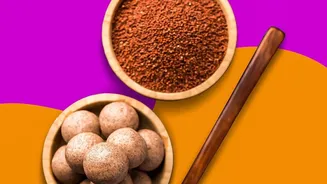
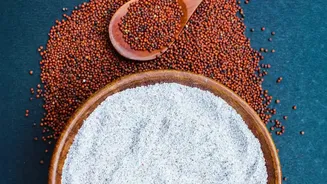
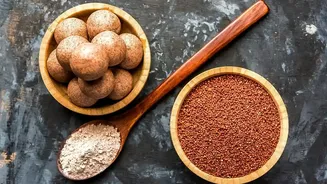
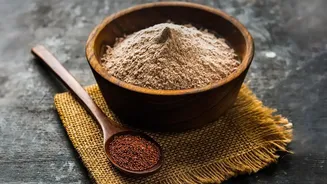
leaving behind empty calories that can spike blood sugar levels. In contrast, ancient grains like millets are nutritional powerhouses. They are naturally high in dietary fiber, which aids digestion, promotes a feeling of fullness, and helps regulate blood sugar. Many of these grains, such as jowar (sorghum), ragi (finger millet), and amaranth (rajgira), are also gluten-free, making them an excellent choice for those with sensitivities. They are packed with essential micronutrients like iron, magnesium, calcium, and B vitamins, offering a far more complex nutritional profile than their refined counterparts.
A Return to Culinary Roots
This trend is more than just a health fad; it's a cultural reconnection. For centuries, millets were the bedrock of Indian cuisine, especially in arid and semi-arid regions where they thrived. Grains like bajra in Rajasthan, jowar in Maharashtra, and ragi in the south were dietary staples long before the Green Revolution prioritized high-yield wheat and rice. That push, while crucial for food security, inadvertently sidelined these indigenous crops, branding them as 'coarse' or 'poor man's food'. Today, there's a growing appreciation for this lost culinary heritage. Chefs and home cooks are looking back to traditional recipes, not just for nostalgia, but for the robust flavours and textures these grains offer. This revival is about celebrating India's rich agricultural biodiversity and rediscovering ingredients that are deeply intertwined with regional identities.
Versatility in the Modern Kitchen
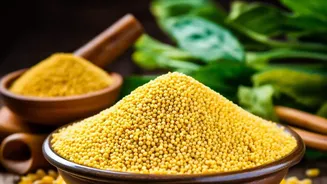
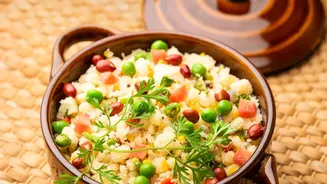
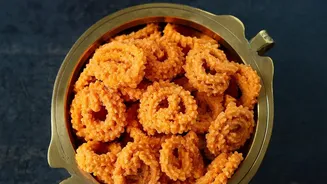
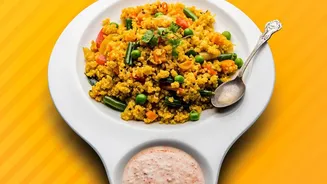
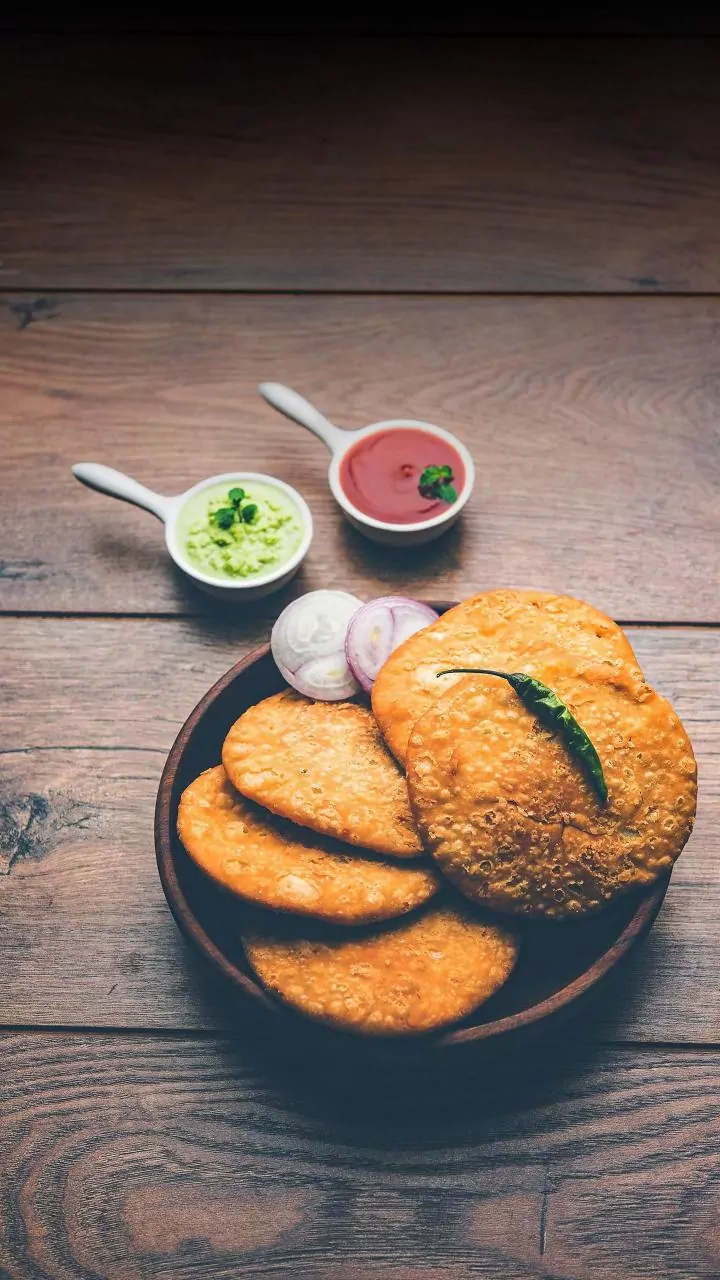
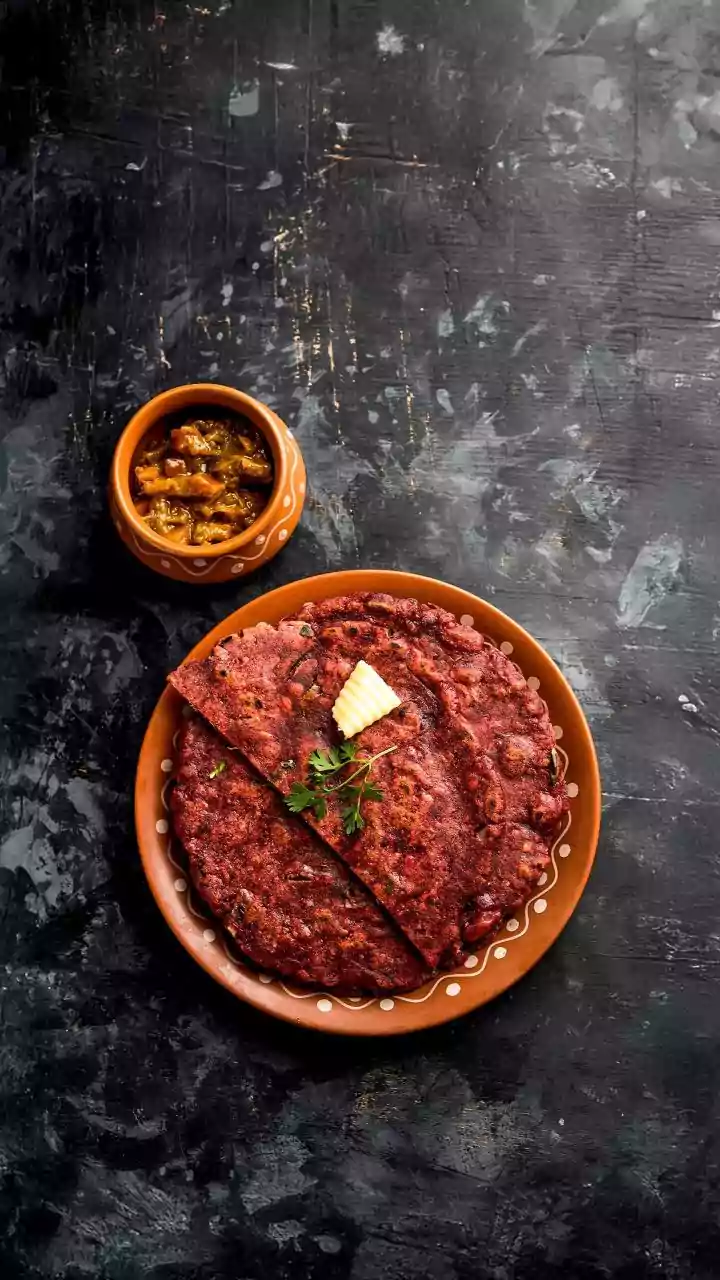
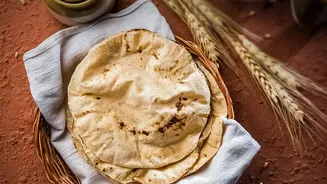
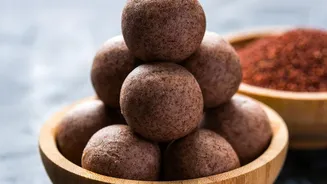
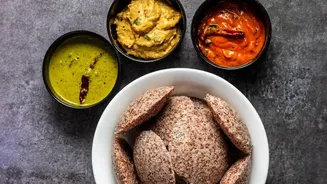
What makes this comeback so successful is the incredible adaptability of these grains to modern recipes. Home bakers are discovering that ancient grain flours can do so much more than make traditional rotis or porridge. Ragi flour, with its earthy flavour, is being used to create decadent chocolate cakes and brownies. Jowar flour is finding its way into savoury crepes, cookies, and pizza bases, while lighter millets like foxtail and barnyard are used in upmas, salads, and grain bowls. While baking with these gluten-free flours can require some adjustments—they are often thirstier and may need a binding agent—the results are uniquely delicious and satisfying. This creative experimentation is proving that wholesome eating doesn't mean sacrificing flavour or familiar comforts.
Sustainable, Smart, and Supported
Beyond the kitchen, ancient grains are a smart choice for the planet. Millets are famously hardy, climate-resilient crops. They require significantly less water than wheat and rice, are naturally pest-resistant, and can thrive in poor soil, making them an environmentally sustainable option for farmers, especially in drought-prone areas. This agricultural advantage has not gone unnoticed. Initiatives like the UN's declaration of 2023 as the 'International Year of Millets', heavily championed by India, have massively boosted public awareness. This government and global support has encouraged farmers to cultivate these grains and spurred innovation, leading to better availability and a wider range of millet-based products in the market.