






A Nutritious Trio
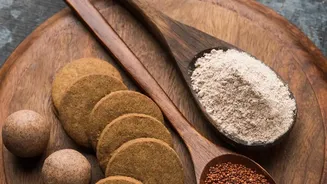
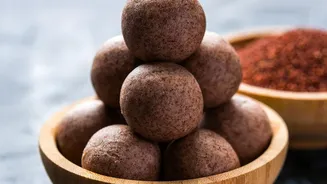
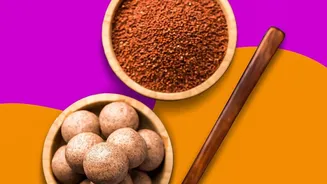
Before we dive into the dessert bowl, let's appreciate the stars of this healthy makeover: ragi (finger millet), jowar (sorghum), and bajra (pearl millet). These grains are nutritional powerhouses, bringing much more to the table than traditional polished
rice. They are celebrated for their high fibre content, which aids digestion and promotes a feeling of fullness. Millets are also generally richer in essential minerals like iron, magnesium, and phosphorus compared to white rice. For instance, ragi is an excellent source of calcium, crucial for bone health. Bajra is prized for its iron content, while jowar offers a good amount of protein and antioxidants. By incorporating them into your kheer, you’re not just adding ingredients; you're upgrading its nutritional profile.
Choosing Your Millet
Each millet brings a unique character to the kheer, so you can choose based on your taste preference or what's available in your pantry. Ragi flour will give the kheer a beautiful, earthy brown colour and a distinctive, slightly malty flavour. Jowar is more neutral, making it an excellent substitute if you want the creamy texture without a very overpowering grain taste. Bajra, with its nutty and slightly sweet undertones, lends a wonderfully rustic and warming flavour to the dessert, making it perfect for cooler evenings. You can use them as whole grains (which will require soaking and longer cooking) or in flour form for a quicker, smoother kheer.
Mastering the Method
Making millet kheer is very similar to the traditional process, but with a few key adjustments. If using whole millet grains, it’s best to soak them for at least a few hours or even overnight. This softens the grains and reduces cooking time. Many recipes suggest pressure cooking the soaked millets first before adding them to the milk. This ensures they are perfectly cooked and tender. If you're using millet flour, like ragi flour, a good technique is to roast it lightly in a little ghee until it becomes fragrant. Then, make a slurry with a small amount of milk or water before adding it to the rest of the simmering milk. This crucial step helps prevent lumps and ensures a smooth, creamy consistency. Remember that millets absorb a lot of liquid, so the kheer will continue to thicken as it cools.
Sweeten Smartly, Flavour Freely
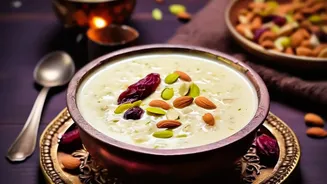
To keep your dessert on the healthier side, consider swapping refined sugar with natural sweeteners. Jaggery is a fantastic choice, imparting a deep, caramel-like flavour that pairs beautifully with the earthiness of millets. A key tip when using jaggery is to add it at the very end, after you have turned off the heat. Adding it to boiling milk can cause the milk to curdle. Let the kheer cool slightly before stirring in the powdered or grated jaggery until it dissolves. For flavour, the classics never fail. A pinch of cardamom powder, a few strands of saffron soaked in warm milk, and a garnish of toasted nuts like almonds and pistachios will round out your dessert perfectly, making it a feast for all the senses.