



The Timeless Allure of Curtain Bangs
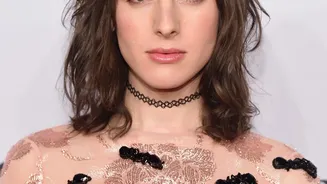
So, what exactly are curtain bangs? Think of them as a gateway to fringes, without the high commitment of a blunt, straight-across cut. Parted in the centre or slightly off-centre, they are typically shorter in the middle and get progressively longer
towards the sides, sweeping outwards to frame your face much like curtains on a window. This creates a soft, blended effect that highlights the eyes and cheekbones. Their popularity, which traces back to 1970s style icons, is rooted in their adaptability and the graceful way they grow out, simply transforming into soft, face-framing layers over time.
Will They Suit My Face Shape?
One of the biggest selling points of curtain bangs is their universal appeal. A good stylist can tailor the length and angle to flatter virtually any face shape. For round faces, longer bangs that end around the cheekbones can help create an illusion of length. For square faces, a softer, wispier cut can soften a strong jawline. Oval faces are the most versatile and can pull off nearly any variation, while heart-shaped faces benefit from a fringe that balances a wider forehead. The key is customisation. By adjusting where the shortest part of the bang hits—be it your brow, cheekbone, or jaw—the style can be made to complement your unique features.
A Fringe for Every Hair Type
From silky straight to voluminous curls, curtain bangs can be adapted for all Indian hair textures. For those with fine or thin hair, a slightly fuller fringe with less texturising at the ends can create the illusion of more body without looking sparse. Thick hair can handle more layering to remove bulk and add movement, ensuring the bangs don’t feel too heavy. If you have wavy or curly hair, ask your stylist to cut them a bit longer to account for shrinkage as they dry. The goal is to work with your natural texture, not against it, for a style that feels both chic and authentic.
The Salon Visit: How to Ask for the Perfect Cut
Communication with your hairstylist is crucial. Instead of just saying 'curtain bangs', get specific. Bringing reference photos is always a good idea, but be sure to explain what you like about them—is it the length, the wispy texture, or the way they blend? Use descriptive words like 'soft', 'face-framing', and 'blended'. It helps to point to where you'd like the shortest piece to land, for instance, at your eyebrow or cheekbone. Mentioning your natural parting and any cowlicks is also important, as a good stylist will cut the bangs to work with your hair's natural tendencies, making your daily styling routine much easier.
Daily Styling and Maintenance
Styling curtain bangs is easier than it looks and usually only takes a few minutes. The classic method involves a round brush and a hairdryer. Working with damp hair, place the brush under your bangs and blow-dry them away from your face, rolling the brush to create that signature outward sweep. For a sleeker finish, you can use a flat iron, gently curving the ends outwards. To keep them looking fresh, a light spritz of dry shampoo at the roots can absorb oil and add volume. While they are lower maintenance than other bangs, plan on getting a quick trim every four to six weeks to maintain the perfect shape.