


Sabudana Khichdi (Maharashtra)
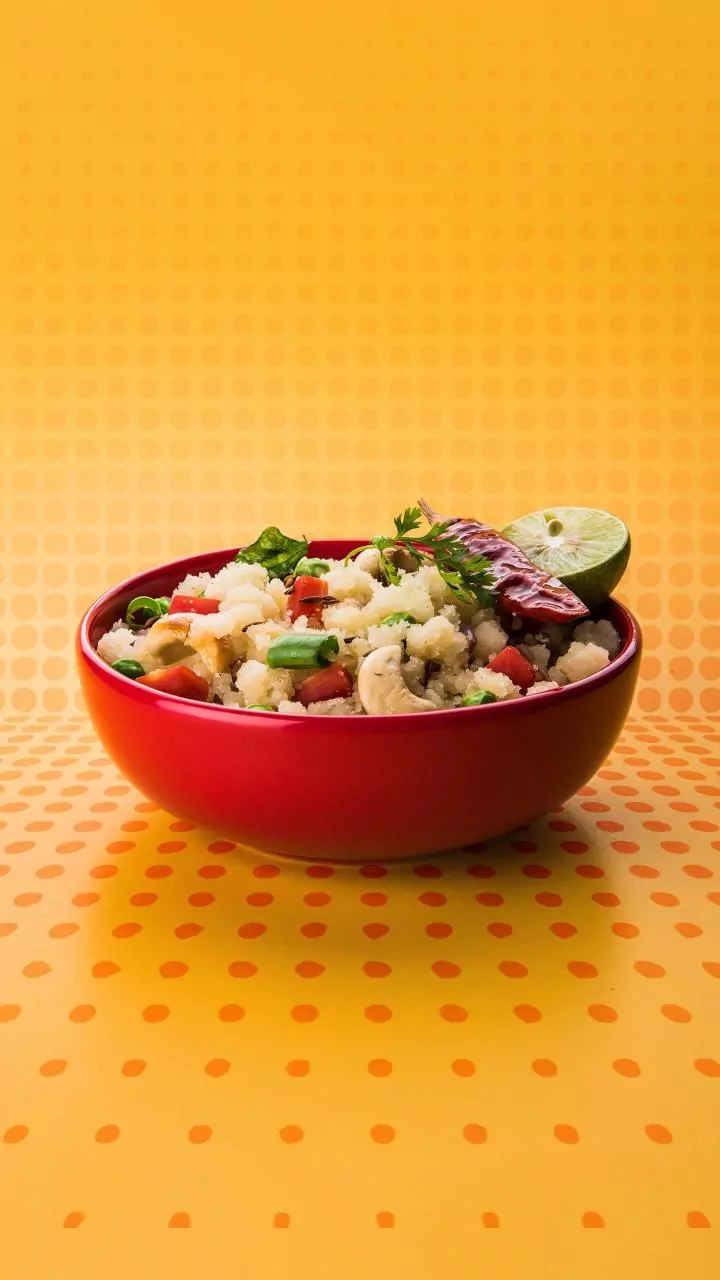
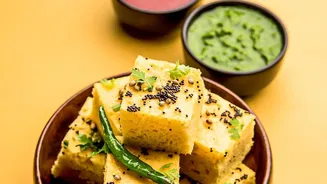
A quintessential fasting dish, Sabudana Khichdi has its heart in Maharashtra. Made from soaked tapioca pearls (sabudana), this light yet filling preparation is tossed with roasted peanuts, boiled potatoes, cumin, and green chillies. It provides a quick
source of energy, making it a beloved choice for those observing Sawan fasts. While now popular across India, its origin as a staple for vrat (fasting) days is strongly associated with Maharashtrian households, where it is a year-round comfort food as much as a festive one.
Makhana Kheer (Bihar)
Hailing from the Mithila region of Bihar, Makhana Kheer is a creamy, luxurious dessert with deep cultural significance. Makhana, or fox nuts, are harvested from ponds in the region and are considered a pure ingredient for religious offerings. The kheer is made by simmering roasted and lightly crushed makhana in milk until it thickens, sweetened with sugar, and often garnished with nuts. Rich in calcium, this dish is not just a festive treat but a nutritious way to break a fast.
Kuttu ki Puri (Uttar Pradesh)
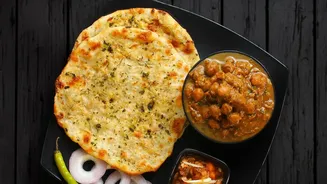
In the northern states, particularly Uttar Pradesh, Sawan fasting menus are incomplete without dishes made from kuttu ka atta, or buckwheat flour. Kuttu ki Puri is a prime example. This dark, nutty-flavoured bread is made by kneading buckwheat flour, often with boiled potato or arbi (colocasia) as a binding agent, and then deep-frying it. These puris are typically served with a simple, no-onion-or-garlic potato curry called 'vrat wale aloo', turning a day of restraint into a hearty, satisfying meal.
Farali Pattice (Gujarat)
From Gujarat comes Farali Pattice, a delightful snack that showcases the region's flair for combining sweet and savoury flavours. 'Farali' refers to food that can be consumed during a fast. These crisp potato patties have a surprising filling: a mixture of grated coconut, peanuts, cashews, raisins, and mild spices. The outer layer is made of mashed potatoes and a vrat-friendly flour like singhare ka atta (water chestnut flour). Fried to a golden brown, it’s a flavourful alternative to the more common sabudana vada.
Singhare ke Atte ka Halwa (North India)
Singhare ka atta, or water chestnut flour, is another key ingredient in the Sawan pantry across North India. It is used to create a rich, dense, and comforting halwa. The flour is roasted in ghee until it turns fragrant and deep brown, then cooked with sugar and water or milk until it forms a thick, glossy pudding. This halwa is valued for being both warming and energy-dense, providing sustained nourishment during long fasting days. Its earthy flavour is uniquely satisfying, often enhanced with a touch of cardamom.
Arbi ki Sabzi (Punjab & Uttarakhand)
Arbi, or colocasia root, is a versatile vegetable that features prominently in Sawan cooking across several northern regions, including Punjab and Uttarakhand. A simple 'vrat-wali' Arbi ki Sabzi is made by stir-frying boiled and sliced arbi in ghee with cumin seeds (jeera), green chillies, and rock salt (sendha namak). Unlike everyday preparations, it avoids onion, garlic, and turmeric. The result is a simple, satisfying dish that pairs perfectly with kuttu puris or samak rice, highlighting how humble ingredients are elevated during the fasting period.
Nei Payasam (Kerala)
While Sawan is observed differently in the south, the corresponding month of Karkidakam involves special wellness foods. A related fasting dish from Kerala that fits the 'vrat' ethos is Nei Payasam. Offered in temples as prasadam, it is a decadent pudding made with red rice, jaggery, and a generous amount of ghee (nei). Toasted coconut pieces and cardamom add texture and aroma. Though not strictly a Sawan dish, its use of pure, sattvic ingredients and its role as a sacred offering connect it to the same principles governing fasting foods across India.