




The Physical Challenge: Flow vs. Rhythm
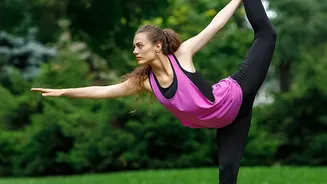
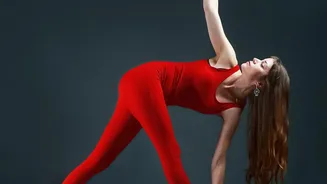
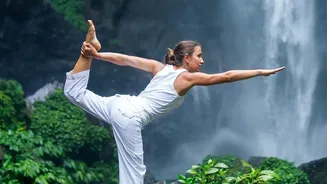
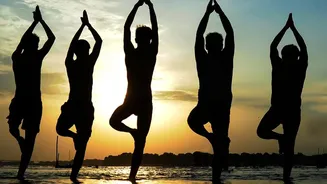
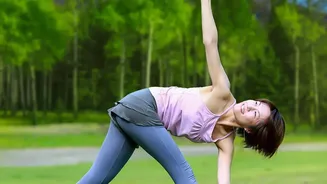
Yoga is often seen as a gentle practice, but it presents a significant physical challenge through sustained poses and controlled movements. The focus is on building strength, improving flexibility, and enhancing balance. A typical yoga session engages
your core, strengthens leg muscles through standing postures, and improves joint mobility with twists and bends. While some forms like Vinyasa are fast-paced, most yoga styles emphasize stability and mindful alignment, creating a slow-burn intensity. It improves posture and can be especially beneficial for alleviating issues like back pain. Dance, on the other hand, is predominantly a cardiovascular workout. Whether it’s the structured routines of ballroom, the high-energy bursts of Zumba, or the expressive freedom of contemporary, dance gets your heart pumping. It’s an aerobic and anaerobic activity that improves stamina, tones muscles, and enhances coordination and agility. The constant movement and rhythmic steps provide a full-body workout that many find more engaging than traditional cardio.
The Mental Game: Mindfulness vs. Expression
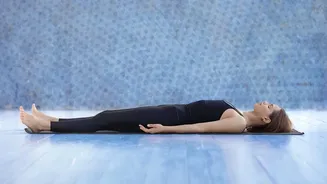
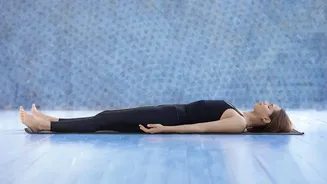
Mentally, the two disciplines diverge significantly. Yoga is rooted in mindfulness, using breathwork (pranayama) and meditation to quiet the constant stream of thoughts. The practice encourages a deep connection between mind and body, fostering mental clarity and stress reduction. This internal focus helps calm the nervous system and can lead to improved emotional stability long after you’ve rolled up your mat. Dance offers a different kind of mental release: joyful expression. Moving your body to music stimulates the brain's reward centres and releases endorphins, the 'feel-good' chemicals that elevate mood. For many, dance is a form of emotional catharsis, a way to release stress and express feelings without words. The cognitive challenge of remembering choreography also keeps your brain sharp, improving memory and focus.
Finding Your Tribe: Solitude or Socialising
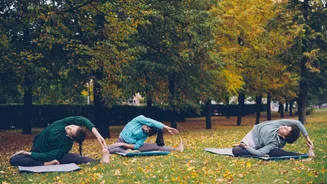
The social environment of each practice also appeals to different personalities. Yoga is often an individual, internal journey, even when practiced in a group setting. The focus is inward, and classes are typically quiet and contemplative. This can be perfect for those who see exercise as a time for self-reflection and a peaceful escape from a noisy world. Dance is inherently more social. Classes often involve partner work, group choreography, or simply sharing a high-energy space with others. This creates a built-in community and a sense of camaraderie. For those motivated by social connection and accountability, the vibrant, party-like atmosphere of a dance class can be a powerful reason to keep showing up.
The Key to Consistency: Which Fits You?
Ultimately, the best form of exercise is the one you enjoy and will do consistently. Adherence is key, and it’s deeply tied to personal preference. If you thrive on structure, seek mental quiet, and are motivated by gradual progress and self-mastery, yoga may be the ideal fit. Its focus on flexibility and mindfulness can provide a calming counterbalance to a hectic life. If you are energised by music, crave social interaction, and prefer a workout that feels more like a celebration than a chore, dance could be your answer. Its high-energy nature and expressive freedom can make fitness feel fun and liberating. Don't be afraid to try both. Many people find a balance, using dance for cardio and social fun, and yoga for flexibility, strength, and mental peace.