




A Note on Monsoon Plant Care
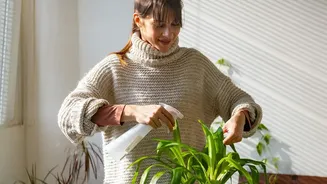
Before we introduce the green heroes, it's important to understand one rule for the rainy season: water less. High humidity means the soil in your pots will take much longer to dry out. Overwatering is the biggest risk to even the hardiest plants during
this time. Always check the top two inches of soil with your finger; if it feels damp, wait a few more days before watering. Good drainage is also crucial. Ensure your pots have holes and aren't sitting in trays full of water.
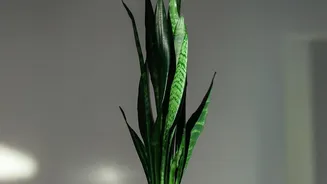
The Resilient Snake Plant
The Snake Plant, or Sansevieria, is famous for being nearly indestructible, making it a top choice for beginners and busy plant parents. Native to tropical regions, it is well-adapted to handle warm and humid conditions. Its thick, succulent leaves store water, meaning it's incredibly drought-tolerant and requires very infrequent watering. During humid weather, you might only need to water it once every three to four weeks. The key is to let the soil dry out completely to prevent root rot, which is its main vulnerability. It also tolerates low light, a common scenario on cloudy monsoon days.
The Unkillable ZZ Plant
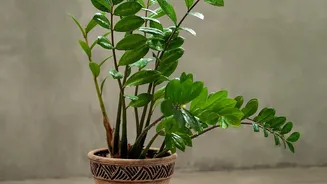
The Zamioculcas zamiifolia, or ZZ Plant, lives up to its reputation as one of the toughest houseplants available. Its glossy, wax-like leaves are not just beautiful; they are excellent at retaining moisture, making the plant incredibly forgiving of neglect. While it can tolerate average humidity, it also thrives in more humid environments. Like the Snake Plant, the ZZ Plant stores water in underground rhizomes, so it hates being overwatered. Allow the soil to dry out entirely between waterings. Its adaptability extends to light, as it can flourish in a bright room or a dim corner, making it a versatile addition to any home during the gloomy rainy season.
The Ever-Popular Money Plant (Pothos)
The Money Plant, or Pothos, is arguably the most beloved indoor plant in India, known for being easy to grow and adaptable. As a tropical plant native to rainforests, it naturally appreciates higher humidity. Its trailing vines with heart-shaped leaves can brighten any space, whether in a pot or a simple bottle of water. During the monsoon, the humid air is beneficial, but you must be careful with watering. Pothos does not like to sit in waterlogged soil, which can quickly lead to root rot. Water only when the top layer of soil is dry. Its tolerance for a wide range of light conditions, from low to bright indirect, makes it a reliable companion.
The Elegant Peace Lily
The Peace Lily (Spathiphyllum) is another plant that thrives in the high-humidity conditions common in many parts of India, especially coastal cities. It's an excellent air purifier and adds a touch of elegance with its dark green leaves and graceful white blooms. One of its best features for beginner gardeners is that it visibly droops when it needs water, taking the guesswork out of your watering schedule. This makes it much easier to avoid overwatering in damp weather. It prefers low to medium indirect light, which is perfect for maintaining its health and encouraging blooms even when the skies are overcast.
The Cheerful Spider Plant
Spider Plants (Chlorophytum comosum) are cheerful, easy-care plants that are excellent for adding greenery to hanging baskets. They are quite tolerant and enjoy the kind of moisture that is abundant during the monsoon. Their arching leaves and the little plantlets, or 'pups', that dangle from the mother plant create a lovely cascading effect. These plants prefer bright, indirect light but are quite adaptable. They are also known for their air-purifying qualities, helping to keep your indoor environment fresh when windows might be closed against the rain. Just ensure the pot has good drainage to keep its roots healthy.