


Start With a Visual Check
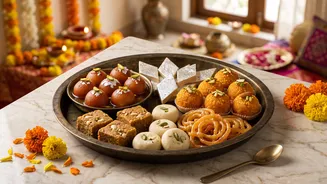
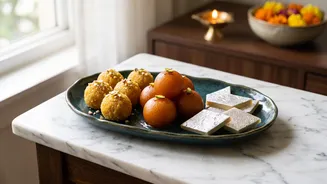
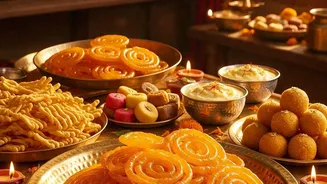
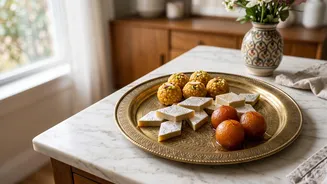
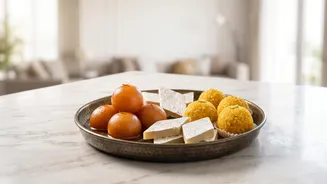
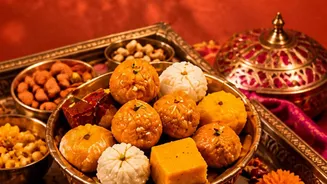
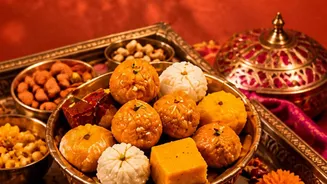
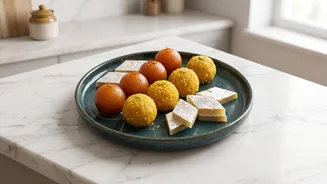
Before you even ask for a sample, your eyes can tell you a lot. Look for sweets with natural, subtle colours. Neon green pistachios or bright orange ladoos often indicate the use of artificial colouring agents. Fresh sweets should have a gentle, appealing
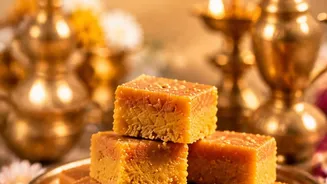
sheen from ghee, not a greasy or oily look which might suggest the use of cheaper vanaspati. Pay attention to the texture; a barfi should look uniformly solid and moist, not dry and crumbly or suspiciously wet. Also, inspect the overall hygiene of the display. According to food safety guidelines, sweets should be stored in covered trays, protected from dust and insects. A clean counter is a good first sign. Finally, check for any visible signs of spoilage like mould, discolouration, or a wilted appearance, especially on delicate items like those with silver leaf (vark). Real edible silver foil should be delicate and almost disappear when rubbed, whereas fake aluminium foil may roll into a small ball.
Trust Your Sense of Smell
The aroma of a sweet is a powerful indicator of its freshness and the quality of its ingredients. Fresh mithai should have a pleasant and inviting smell. For milk-based sweets like peda or barfi, you should detect a rich, milky aroma. For ladoos and Mysore pak, a nutty, fragrant scent from high-quality ghee and roasted gram flour is a good sign. Be wary of any off-putting odours. A sour or stale smell can indicate that the milk or khoya has gone bad, a common issue during the festive rush when demand outstrips supply. If you detect a chemical or soapy scent, it could be a sign of adulterants like detergent being used to create foam in milk products. An absence of smell can also be a red flag, suggesting that the ingredients are not fresh or are of poor quality. A truly well-made sweet will have a distinct, pleasant aroma that speaks to its ingredients.
The Importance of Touch and Texture
If you have the chance to touch a sweet or sample a piece, pay close attention to its texture. The feel of a mithai can reveal a lot about its preparation and freshness. A good ladoo, for example, should hold its shape but be soft enough to break apart easily without being overly sticky or hard. Milk-based sweets like kalakand or barfi should feel moist and slightly grainy, melting in your mouth. If the texture is pasty or sticks to the roof of your mouth, it may be a sign that starch has been added to the khoya as a cheap filler, a common form of adulteration. Pure khoya should feel smooth and slightly oily. Hard or rubbery sweets might be old, while those that are excessively greasy could be made with lower-quality fats instead of pure ghee. Trust your instincts; the texture should be pleasant and consistent with what you expect from a freshly made product.
The Ultimate Test: Taste
Your sense of taste, working with your sense of smell, provides the final verdict. When you taste a sweet, it shouldn't be overpoweringly sugary. Excessive sweetness is often used to mask the flavour of stale or low-quality ingredients. A well-made sweet has a balanced flavour where you can distinguish the primary ingredients, whether it's the nuttiness of besan, the richness of milk, or the aroma of cardamom and saffron. Watch out for any chemical or bitter aftertaste, which could point to artificial sweeteners or other adulterants. A sour taste is a clear giveaway that the sweet is spoiled. Ghee-based sweets should taste rich and buttery; if you detect a flavour characteristic of vegetable oil or vanaspati, the quality is likely compromised. If a shop allows sampling, always take the opportunity. A small bite is often all you need to determine if the quality is up to the mark.
Look Beyond the Sweets
Beyond the direct sensory checks, a few other observations can ensure you make a good purchase. Always choose a vendor who maintains high standards of hygiene. More importantly, check for the FSSAI license number, which should be displayed on the premises or on packaged goods. This indicates that the manufacturer is registered and subject to food safety regulations. For loose sweets, it's now mandatory for sellers to display the 'Best Before Date', which is crucial for items with a short shelf life like milk-based mithai. Don't be swayed by suspiciously low prices or extravagant offers, as this can be a tactic to move old or adulterated stock. Buying from trusted, reputable shops that are transparent about their ingredients is often the safest bet during the high-demand festive period.