


Defining the Fashion Middle Ground
Before we dive in, it's important to clarify what 'Tier-2' means in this context. The term is sometimes used to describe the growing fashion markets in non-metro Indian cities or to identify fabric suppliers in the supply chain. However, in the current
style discussion, 'Tier-2' refers to a price and quality category. Think of the fashion market as a pyramid. At the top is Tier-1: ultra-exclusive haute couture and luxury brands like Gucci or Sabyasachi. At the bottom is mass-market fast fashion. Tier-2 fashion sits in the space between them. It’s often called accessible luxury, bridge, or premium high street. These are brands that offer a significant step up in quality from fast fashion without the astronomical price tag of top-tier luxury.
The Hallmarks of a Tier-2 Brand
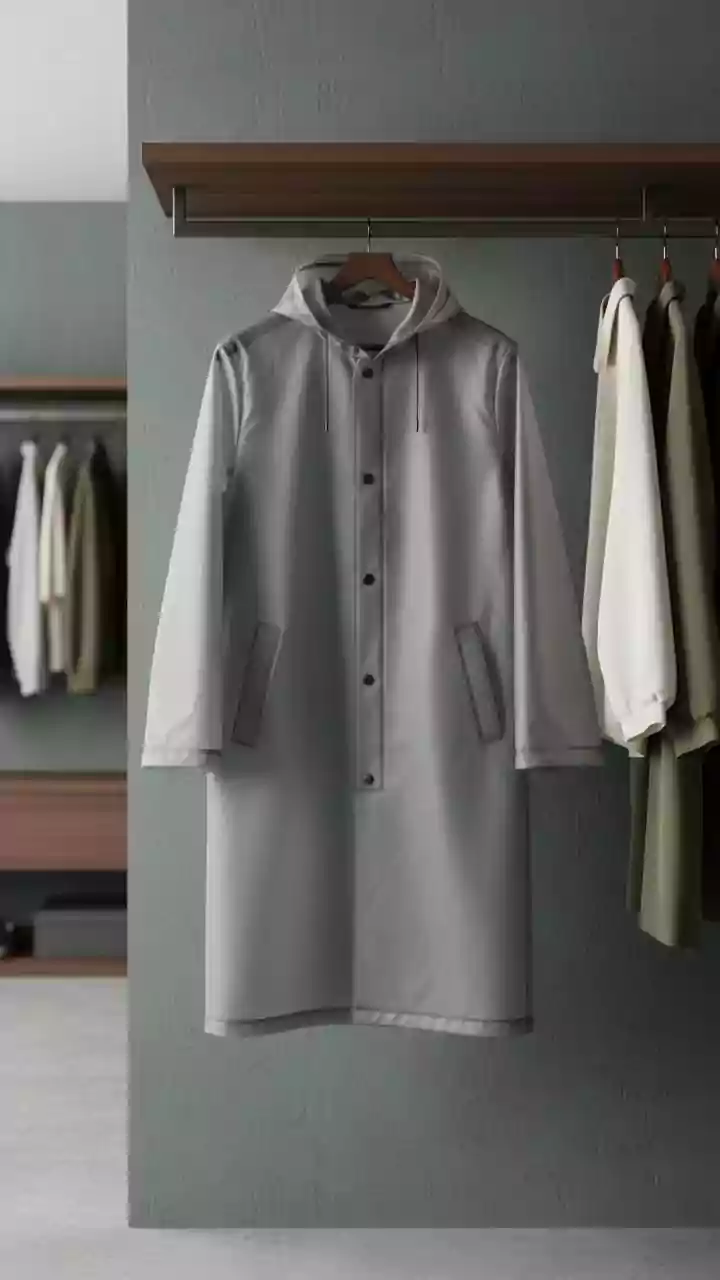
So, how do you spot a Tier-2 brand? They have a few common characteristics. The price point is their most obvious feature, sitting comfortably above high-street chains but well below designer labels. A dress might cost between ₹8,000 and ₹25,000, for instance. Materials are another key differentiator. While fast fashion relies heavily on polyester and cheap synthetics, Tier-2 brands often work with better quality natural fabrics like linen, high-grade cotton, and silk blends. Their design philosophy also stands apart. Instead of chasing micro-trends that last a few weeks, these brands often focus on more timeless, contemporary silhouettes that are current but not disposable. Many newer direct-to-consumer labels gaining popularity for their unique designs and 'quiet luxury' aesthetic fall into this category.
The Central Debate: Quality vs. Value
Herein lies the core of the discussion. Is Tier-2 fashion truly good value, or just clever marketing? The argument in its favour is strong. By investing in better-made garments, you are moving away from a disposable fashion mindset. These pieces are designed to last longer, offering a lower cost-per-wear over time. A growing number of consumers are prioritising longevity and sustainability, making this category highly appealing. However, there is a counter-argument. Some critics feel that certain Tier-2 brands inflate their prices without a corresponding jump in quality, banking on a premium image rather than superior craftsmanship. The danger for consumers is paying a significant premium for an item that isn't substantially better than its cheaper alternative. The 'value' is not always guaranteed by the price tag alone.
Navigating Trends and Timelessness
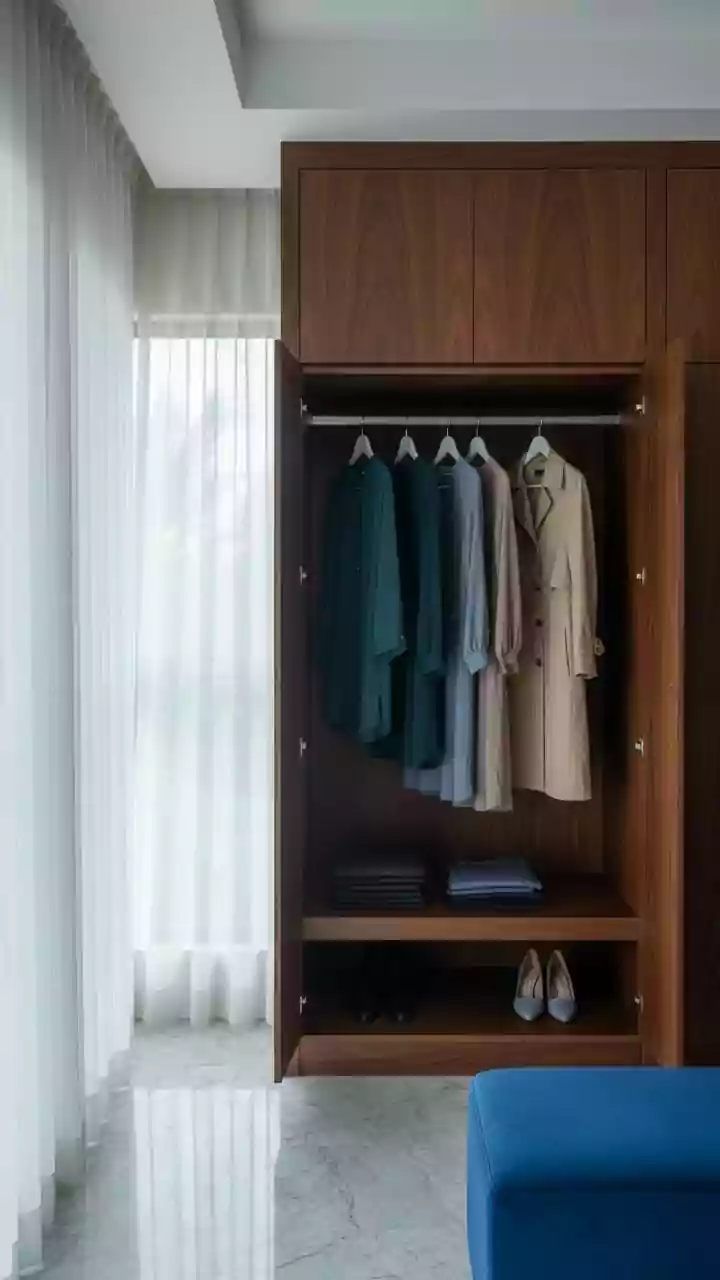
One of the biggest selling points for Tier-2 fashion is the promise of a timeless wardrobe. These brands offer the building blocks for a sophisticated, lasting personal style. They provide an alternative to the relentless trend cycle of fast fashion, which encourages constant consumption and waste. The idea is to buy fewer, better things. However, it’s important to be a discerning shopper. 'Timeless' can sometimes be a marketing buzzword for 'basic.' True value comes from finding pieces that not only are well-made but also genuinely reflect your personal style and will be worn for years. The goal is to build a wardrobe that feels authentic to you, not just one filled with 'investment pieces' that you feel you should own.
How to Be a Smarter Shopper
Ultimately, the Tier-2 label is a useful guide, but it shouldn't replace your own judgment. When considering a purchase in this category, go beyond the brand name. Check the fabric composition label—are you paying a premium for natural fibres or for a glorified polyester blend? Look at the stitching, the seams, and the finish. Does the garment feel substantial and well-constructed? Consider the cost-per-wear. A more expensive jacket worn a hundred times is better value than a cheaper one worn twice. The modern definition of value in fashion is shifting to include not just price, but also durability, ethical production, and personal expression.