




The Foundation: Compound Lifts
To build a strong lower body, you need exercises that recruit multiple muscle groups at once. These are called compound exercises, and they are the most efficient way to build overall strength and size. They work the quadriceps, hamstrings, and glutes
simultaneously, creating a powerful stimulus for growth. We will start with the most essential ones.
1. Barbell Back Squat
The squat is the undisputed king of leg exercises. It targets your quads, glutes, and hamstrings while also engaging your core for stability. To perform it, rest a barbell on your upper back, stand with your feet shoulder-width apart, and lower your hips as if sitting in a chair. Keep your chest up and back straight, lowering until your thighs are parallel to the floor before driving back up.
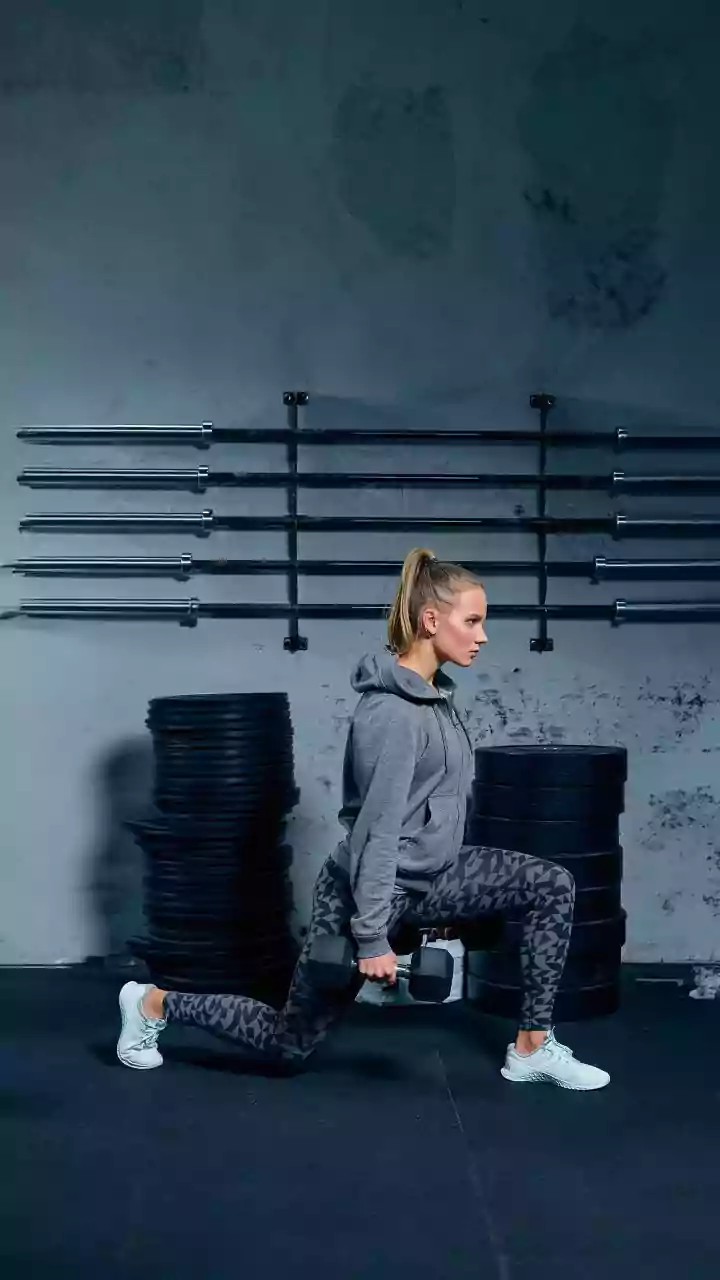
2. Lunges
Lunges are a fantastic unilateral exercise, meaning they work one leg at a time. This helps correct muscle imbalances and improves stability. Step forward with one leg and lower your hips until both knees are bent at a 90-degree angle. Ensure your front knee stays behind your toes. Push off the front foot to return to the start and alternate legs.
3. Bulgarian Split Squat
This advanced lunge variation elevates your rear foot on a bench, placing more emphasis on the front leg. It's a challenging move that intensely targets the quads and glutes while testing your balance. Keep your torso upright as you lower your body until your front thigh is nearly parallel to the floor.
The Finishers: Isolation Moves
After building a foundation with compound lifts, isolation exercises help target specific muscles for more focused development. These movements involve a single joint and are perfect for ensuring no part of the thigh is left behind.
4. Leg Extensions
This machine-based exercise exclusively targets the quadriceps, the muscles on the front of your thighs. Sit on the machine and place your ankles behind the padded bar. Extend your legs until they are straight, squeezing your quads at the top of the movement before slowly lowering the weight back down.
5. Hamstring Curls
To balance the strength in your quads, you must work the hamstrings at the back of your thighs. The hamstring curl machine isolates this muscle group. Lie face down or sit on the machine and curl the weight toward your glutes, focusing on a slow and controlled movement.
6. Lateral Lunges
While front-to-back movements are common, side-to-side exercises are key for targeting the inner and outer thighs (adductors and abductors). From a standing position, take a wide step to one side, bending that knee and keeping the other leg straight. Push back to the start and repeat on the other side.
7. Glute Bridges
While focused on the glutes, this exercise is also excellent for activating the hamstrings. Lie on your back with your knees bent and feet flat on the floor. Drive your hips toward the ceiling, squeezing your glutes and hamstrings at the top to form a straight line from your shoulders to your knees.
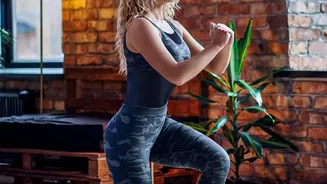
8. Bodyweight Squats
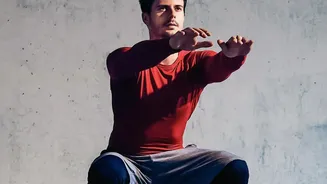
Perfect for warm-ups, cool-downs, or at-home workouts, the bodyweight squat reinforces good form and builds muscular endurance. With your feet shoulder-width apart, lower your hips back and down while keeping your chest up and back straight. Go as deep as you comfortably can before returning to standing.
Why Rest Is Not a Weakness
Many believe that more training always equals more results, but the opposite is often true, especially with intense leg workouts. Growth doesn't happen during the workout itself; it happens during recovery. Intense exercise creates microscopic tears in your muscle fibres, which is a normal and necessary stimulus for growth. Rest is the period when your body repairs these tears, making the muscles stronger and bigger than before.
The Science of Recovery
When you train, you trigger a process called muscle protein synthesis (MPS), which is the mechanism your body uses to repair and build muscle. Studies show that MPS is significantly elevated for 24 to 48 hours after a heavy resistance training session. Training the same muscles again before this process is complete can interfere with recovery, leading to fatigue, poor performance, and even injury. Giving your muscles adequate time to rebuild is non-negotiable for progress.
How Long Should You Rest?
For intense leg workouts that heavily tax large muscle groups, a recovery period of 48 to 72 hours is generally recommended. This means if you train your legs hard on a Monday, you should wait until at least Wednesday, or even Thursday, before training them again. This allows the muscle repair cycle to complete and your body's energy stores to replenish, ensuring you can hit your next session with full strength.