





More Than Just Knowing How to Cook
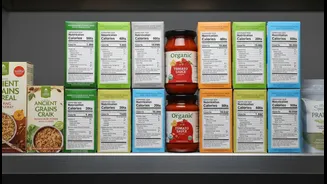
Food literacy isn't just about mastering a recipe or knowing which vegetables are healthy. It's a much broader life skill. It involves understanding the entire journey of food, from farm to fork. This includes the ability to read and interpret complex
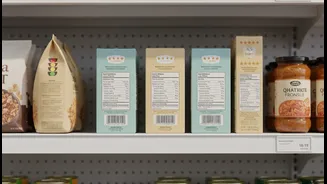
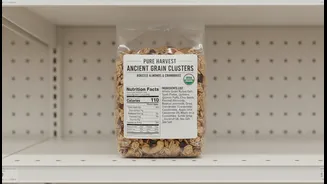
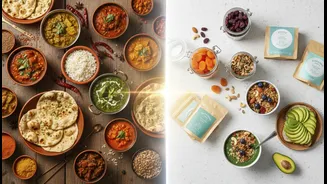
nutrition labels on packaged goods, see past clever marketing claims, and grasp how our food choices impact not just our personal health but also the environment and economy. In essence, it's about shifting from being a passive consumer to an informed participant in the food system, equipped to make conscious decisions about what you eat, whether it’s a comforting home-cooked dal or a convenient instant noodle packet.
The Modern Indian Food Dilemma
India is currently facing a dual nutrition challenge: the persistence of undernutrition alongside a rapid increase in lifestyle diseases like obesity, diabetes, and hypertension, even among the youth. This shift is largely driven by urbanisation, busier lifestyles, and the soaring availability of ultra-processed foods (UPFs). These packaged products—often high in salt, sugar, and unhealthy fats—are aggressively marketed and have become a regular part of the diet for many young people. Studies show a stark generational divide, with young Indians consuming processed foods at a much higher rate than older generations, linking this habit to health issues like elevated blood pressure. Many adolescents admit to finding nutrition information on labels confusing, often only checking the brand name and expiry date.
The Promise of Empowerment
This is where food literacy initiatives step in, promising to empower, not just instruct. The Food Safety and Standards Authority of India (FSSAI) is at the forefront with its 'Eat Right India' movement, which aims to transform the country's food environment. A key pillar of this is the 'Eat Right School' program, which treats children as powerful agents of change. Through curriculum integration, activity books, and trained 'Health and Wellness Ambassadors', the program aims to build healthy habits from a young age. The goal is to provide young people with the critical thinking skills needed to question health claims, understand the difference between nutrients and empty calories, and confidently make choices that support their long-term well-being.
When ‘Healthy’ Becomes Stressful
However, the path to nutritional enlightenment is fraught with the peril of overload. When education morphs into a rigid set of rules—demonising entire food groups, obsessing over calorie counts, and creating a false dichotomy of 'good' versus 'bad' foods—it can backfire spectacularly. This approach can foster anxiety, guilt, and a strained relationship with eating. In the age of social media, young people are already bombarded with conflicting advice and dangerous fad diets that promise quick fixes but lack scientific backing. The pressure to eat 'perfectly' can lead to disordered eating habits, where the pursuit of health ironically becomes unhealthy itself.
Finding a Practical and Joyful Balance
The key to successful food literacy lies in its approach. Instead of handing down strict commandments, the focus should be on building practical skills and a positive mindset. This means involving children in meal planning and preparation, which fosters a sense of ownership and pride in what they eat. It means teaching flexible principles, like aiming for a variety of colourful fruits and vegetables, rather than forbidding treats entirely. Education should also connect food to culture, joy, and social bonding, not just to its nutritional components. By fostering hands-on learning through school gardens or cooking classes, we can teach children to appreciate whole foods and develop an intuitive understanding of what their bodies need, making healthy eating a natural and enjoyable part of life.