





The Scalp's Unwelcome Guests
A warm, damp scalp is the perfect breeding ground for microorganisms. The high humidity of the rainy season prevents sweat and moisture from evaporating efficiently, leaving your scalp damp for hours. This environment allows naturally occurring fungi,
like Malassezia yeast which is linked to dandruff, to multiply rapidly. This overgrowth can disrupt your scalp's natural balance, leading to persistent itching, increased flakiness, redness, and sometimes even a musty odour. In some cases, it can also lead to more serious fungal infections like tinea capitis or bacterial issues like folliculitis, which appears as small, red, tender bumps around hair follicles.
Damage to the Hair Itself
Beyond the scalp, prolonged dampness weakens the hair strands. Hair is at its most fragile when wet because water temporarily breaks down its hydrogen bonds. When hair remains saturated for long periods, it can lead to a condition called hygral fatigue. This happens from the repeated swelling and shrinking of the hair shaft as it absorbs and then releases water. Over time, this cycle damages the hair's protective outer layer, the cuticle, making strands more porous, brittle, and prone to breakage and frizz. Tying up wet hair is particularly damaging, as it creates tension at the weakest point of the strands, leading to friction and breakage.
Tip 1: Make Drying a Priority
The single most important step is to get your hair and scalp dry as soon as possible, especially if you get caught in the rain. Instead of aggressive rubbing with a regular cotton towel, which increases friction and breakage, gently squeeze out excess water with a soft microfibre towel. If you use a blow dryer, focus on drying the roots first on a low-heat or cool setting to protect your hair from heat damage while ensuring your scalp doesn't stay damp. Letting your hair air-dry completely before tying it into a ponytail or bun can significantly reduce the risk of both fungal growth and breakage.
Tip 2: Adjust Your Washing Routine
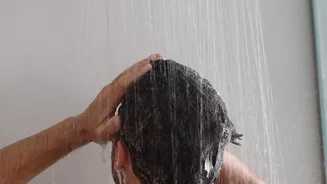
During the monsoon, it's often necessary to wash your hair more frequently, about two to three times a week, to remove sweat, oil, and any pollutants that have accumulated. However, it's crucial to use a mild, sulphate-free shampoo that cleanses without stripping the scalp of its natural oils. If you're prone to dandruff or itchiness, consider switching to a shampoo with antifungal ingredients like ketoconazole or zinc pyrithione to keep the yeast population in check. Always follow up with a conditioner, but apply it only from the mid-lengths to the ends to avoid weighing down your roots.
Tip 3: Choose the Right Hairstyles
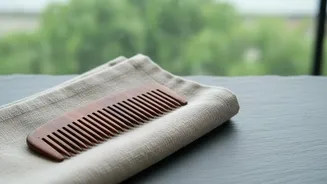
Tight hairstyles are not your friend during the rainy season. Tying damp hair tightly in a bun or braid traps moisture against the scalp and creates tension on fragile, wet strands. Opt for loose hairstyles like a loose braid or use a clip to keep your hair off your face. This allows air to circulate more freely around your scalp, helping it stay dry and reducing the chance of irritation and infections. When detangling, always use a wide-toothed comb on wet or damp hair to minimise breakage.
Tip 4: Use Lightweight Products
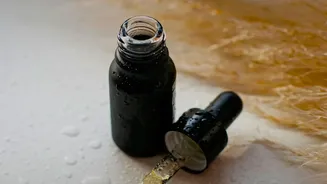
Heavy oils, thick creams, and sticky serums can create a barrier on the scalp, trapping moisture and heat, which can worsen scalp issues in humid weather. If you oil your hair, opt for lighter oils like argan or jojoba and apply them for only an hour or two before washing, rather than leaving them on overnight. A lightweight, anti-frizz serum applied to the ends of your hair can help manage frizz without contributing to scalp buildup.