

The Myth's Green Roots
The belief that houseplants scrub the air clean isn't just a hunch; it has its roots in a famous 1989 NASA study. Researchers, looking for ways to purify air in sealed environments like space stations, placed common houseplants in small, airtight chambers.
They introduced high concentrations of specific volatile organic compounds (VOCs)—chemicals like benzene and formaldehyde—and found that the plants effectively removed a significant portion of them from the air. This compelling finding launched a green revolution in our homes, with lists of the “best” air-purifying plants becoming a staple of lifestyle magazines and websites. The message was simple and appealing: to clean your air, just add plants.
From Sealed Chamber to Living Room
The catch, as subsequent research has shown, is that your living room is nothing like a sealed NASA lab chamber. The original studies involved small, enclosed spaces where pollutants were introduced once and had nowhere else to go. In contrast, a typical home or office has a constant flow of air, a process building scientists call the air exchange rate. Air seeps in through cracks, open windows, and ventilation systems, constantly diluting the concentration of any indoor pollutants. This natural ventilation is far more powerful than you might think. Recent reviews have concluded that the air exchange in a normal building removes VOCs much faster than plants can absorb them.
The Reality of Scale
So, what does the latest analysis say about the real-world impact? The consensus is a matter of scale. While plants do absorb VOCs, their rate of removal is incredibly slow in a normal, ventilated room. To actually make a meaningful difference to your home's air quality, the numbers become staggering. A 2019 review of decades of research calculated that you would need between 10 and 1,000 plants per square metre of floor space to achieve the same air-cleaning effect that a building's standard ventilation system already provides. For an average 1,500-square-foot home, that could mean deploying as many as 680 plants to see a noticeable impact.
What Plants Can Do
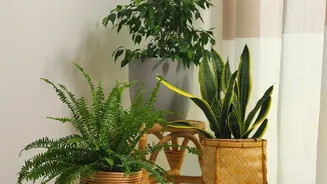
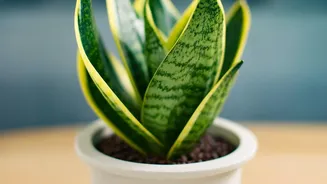
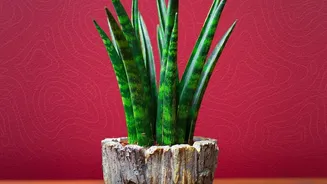
This doesn't mean your plants are useless—far from it. Their air-purifying abilities have simply been overstated. In controlled settings, different plants show different efficiencies for removing specific chemicals. For instance, some studies found English Ivy (Hedera helix) and certain ferns to be effective at removing formaldehyde, while Snake Plants (Sansevieria trifasciata) can tackle benzene and nitrogen oxides. But the real, proven benefits of having plants indoors are more psychological than physical. Numerous studies have confirmed that indoor plants can reduce stress, improve mood, boost concentration, and increase feelings of well-being. They add life, beauty, and a connection to nature in our indoor environments.
The Real Path to Cleaner Air
If you are genuinely concerned about indoor air quality, relying on your plant collection isn't the most effective strategy. The best approach is a combination of source control and ventilation. Start by simply opening your windows regularly to allow fresh air to circulate and dilute indoor pollutants. For more targeted cleaning, especially for those with allergies or asthma, a high-quality air purifier with a HEPA filter is hundreds of times more effective at removing airborne particles than plants are. Also, be mindful of the products you bring into your home. Opt for low-VOC paints, furnishings, and cleaning supplies to reduce the sources of pollution from the outset.