





Start by Understanding Room Categories
Before you even glance at the first photo, understand what you're booking. Hotels use a hierarchy of room types, but there's no universal standard, which can be confusing. Generally, the progression goes from Standard to Superior, then Deluxe, and finally
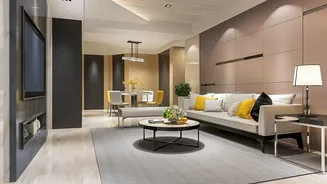
into various types of Suites. A 'Standard' room is the hotel's basic offering, providing all necessary comforts but with no frills. 'Superior' often implies a bit more space, a better location in the hotel, or a slightly improved view. 'Deluxe' rooms typically offer more premium furnishings, additional amenities, and are often larger. Suites are the top tier, featuring separate living and sleeping areas. The critical takeaway is this: hotels often group photos from multiple categories together. If you book a 'Standard' room, make sure you're not falling in love with a photo of a 'Deluxe Suite'. Pay close attention to the photo captions to see if they specify the room type. If they don't, assume the best-looking photos represent the most expensive rooms.
How to Spot Common Photographic Tricks
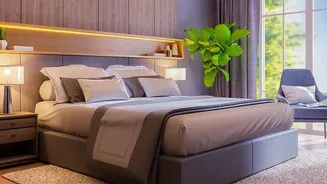
Professional hotel photographers are masters of illusion, employed to make spaces look as appealing as possible. Their primary tool is the wide-angle lens, which can make a compact room appear significantly more spacious. This technique often causes distortion at the edges of the photo; if objects like lamps or chairs look stretched or warped, the room is likely smaller than it seems. Another common tactic is strategic shooting from a corner or doorway to create a false sense of depth. Lighting is also key. Photos are often taken in perfect natural light, which can make a room feel airy and hide signs of wear and tear. Watch out for windows that are completely blown out to pure white—this is often a method to hide an unattractive view, like a brick wall or a noisy street. Finally, be wary of the 'tight crop,' where photos focus on a small, artfully arranged vignette—a stylish cushion, a vase of flowers—while avoiding a full view of the room, which might reveal its true size or dated furniture.
Your Secret Weapon: User-Generated Photos
The single most effective way to get an honest look at a hotel room is to bypass the official gallery and seek out photos taken by actual guests. Platforms like TripAdvisor and the photo sections of Google Maps and other booking sites are invaluable resources for this. While professional photos are staged, cleaned, and perfectly lit, guest photos show you the reality. You’ll see the room in everyday lighting, with luggage on the floor and without the strategic camera angles. This is where you’ll spot the worn carpet, the small bathroom the official photos conveniently cropped out, or the 'city view' that is actually a fire escape. Don't just look at the best guest photos; actively look for the average and even the negative ones to get a balanced perspective. These unpolished snapshots are your best tool for setting realistic expectations and avoiding a bad surprise upon arrival.
Scrutinize the Details That Matter
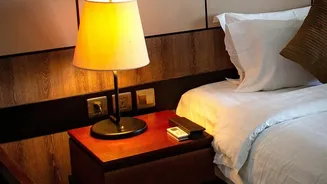
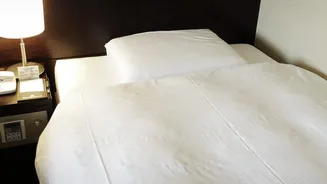
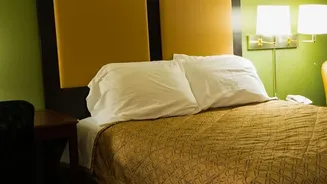
Once you're looking at the right photos—both professional and user-submitted—focus on the details that define a comfortable stay. Pay close attention to the bathroom. Is it modern and clean, or does it show signs of mould and age? This space is often a good indicator of the hotel's overall maintenance standards. Examine the bedding. Crisp, all-white bedding is often a sign of a hotel's confidence in its cleanliness, as it shows stains easily. Patterned, dated bedspreads can be a red flag that the room hasn't been updated in a while. Look for practical elements. Are there enough electrical outlets for your devices? Is there a proper desk if you need to work? Check the view with a critical eye; a so-called 'partial ocean view' might require leaning out the window. By focusing on these functional details, you move beyond the marketing fantasy and assess the room for its real-world comfort and utility.