



The Changing Cafe Order
Baristas and cafe owners across India's metros are observing a distinct change in ordering habits, especially in spaces humming with the energy of freelancers, entrepreneurs, and remote workers. Where the dark, bold notes of cold brew once dominated,
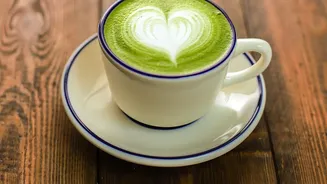
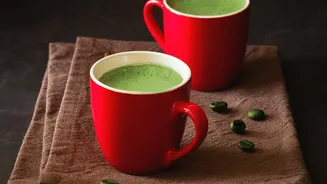
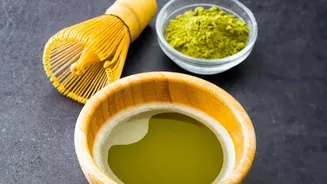
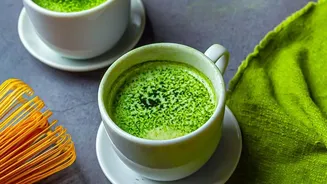
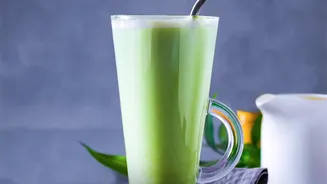
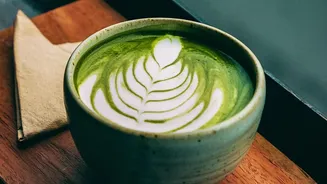
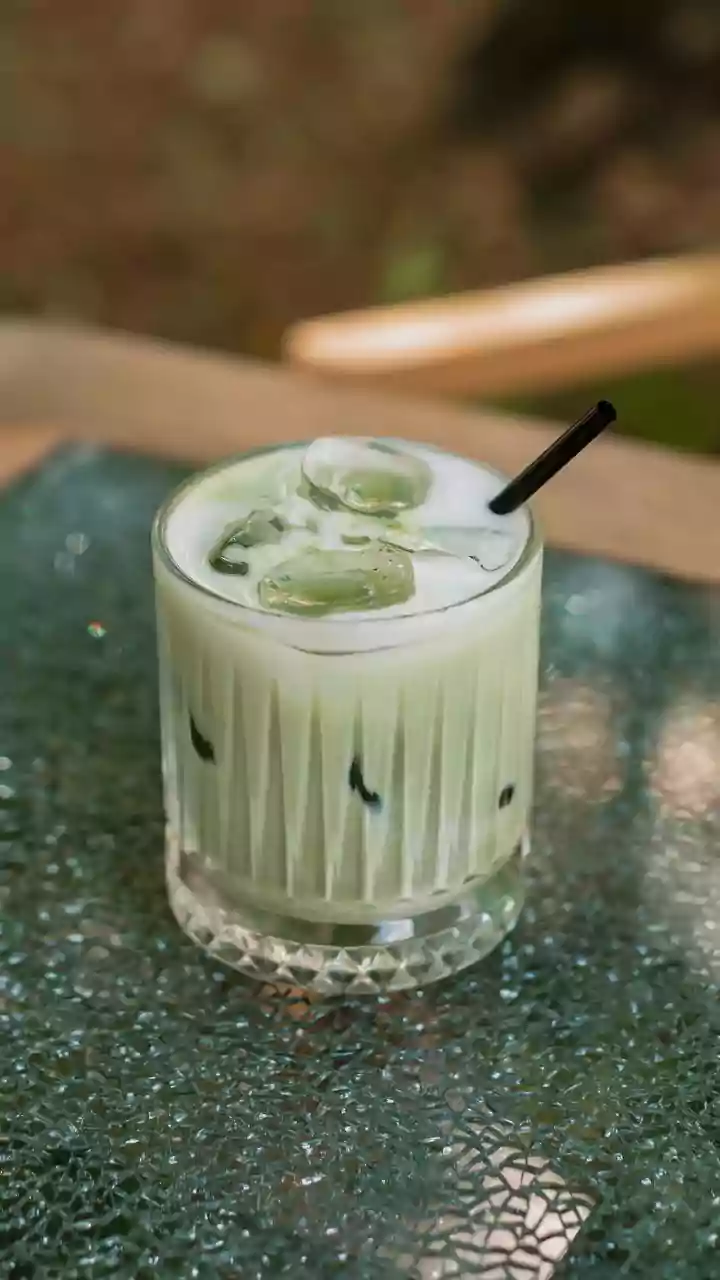
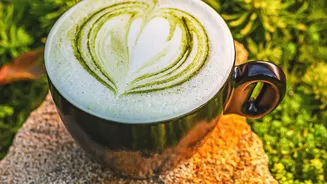
the earthy, vibrant flavour of matcha is increasingly requested. This isn't just a niche interest; it's a mainstream movement. Major specialty coffee chains were among the first to add matcha lattes to their menus, and the drink’s popularity has soared, driven by millennials and Gen Z. Market reports confirm this rapid ascent, with India's matcha market growing at a compound annual growth rate (CAGR) of between 8.6% and 14.8%, significantly outpacing the broader tea market. This growth is fueled by a desire for beverages that offer more than just a simple caffeine kick; customers are seeking a more holistic experience.
A Different Kind of Buzz
The primary reason for matcha's rise is the unique quality of its energy boost. While coffee provides a sharp, potent hit of caffeine that can lead to jitters and an eventual crash, matcha offers something different. It contains a powerful amino acid called L-theanine, which works in synergy with caffeine. This combination promotes a state of 'calm alertness,' increasing focus and concentration without the anxiety or restlessness often associated with coffee. L-theanine slows the body's absorption of caffeine, resulting in a sustained energy lift that can last for several hours. For professionals engaged in deep work, this means heightened productivity and reduced mind-wandering, making matcha an ideal companion for long, focused work sessions.
The Wellness and Aesthetic Appeal
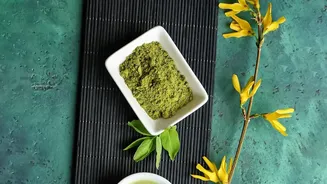
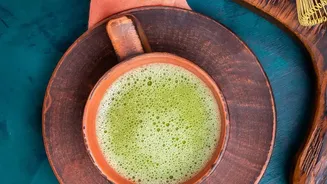
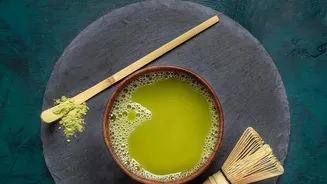
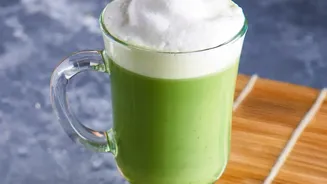
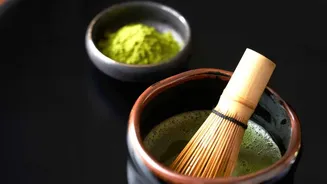
Beyond its functional benefits, matcha aligns perfectly with modern wellness culture and the visual language of social media. Packed with antioxidants, particularly catechins like EGCG, matcha is celebrated for its health-protective properties. Its vibrant green colour, a result of the shade-growing process that boosts chlorophyll and L-theanine content, is also incredibly photogenic, making it a star on Instagram feeds. This visual appeal is not trivial; it's part of a larger trend towards clean, minimalist aesthetics that resonates with today’s urban youth. The drink itself has become a symbol of a health-conscious, intentional lifestyle, fitting seamlessly into the 'work and wellness' ethos that defines many modern professional environments.
A Global Flavour Finds a Local Home
The growing obsession with Japanese culture, fueled by everything from anime to a greater interest in global cuisines, has paved the way for matcha's acceptance in India. Once seen as an exotic item found only in high-end restaurants, Japanese food and drinks are now mainstream. Cafes are adapting matcha to local tastes, offering everything from classic lattes to innovative blends with rose or other familiar flavours. While the taste can be an adjustment for some—often described as vegetal or umami—many find its earthy sweetness compelling, especially when prepared as a creamy latte. This culinary curiosity, combined with the beverage's accessibility in cafes and online, has helped it secure a firm place in the daily rituals of a new generation of Indian consumers.