





From Packets to Full-Service Plates
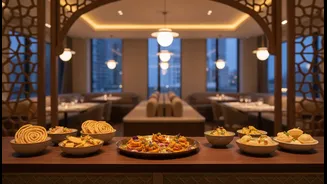
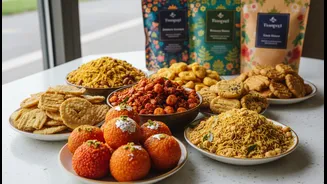
Household names like Haldiram's and Bikanervala, long associated with packaged namkeens and mithai, are aggressively expanding their restaurant operations. This isn't just about adding a small food counter to a sweet shop. These companies are establishing
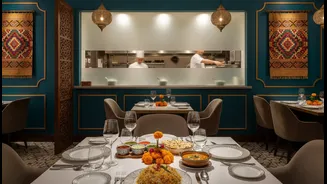
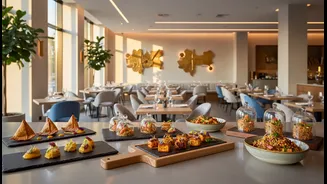
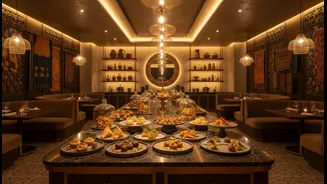
large, multi-cuisine, full-service restaurants and quick-service restaurant (QSR) formats both in India and abroad. For instance, Haldiram's now operates a tiered franchise model that includes everything from small kiosks to large-scale casual dining restaurants spanning 4,000-5,000 square feet. Similarly, Bikanervala, which started in 1905, now has over 225 outlets, many of which are full-fledged restaurants, across India, the USA, Canada, the UAE, and New Zealand.
The Powerful Pull of the Diaspora
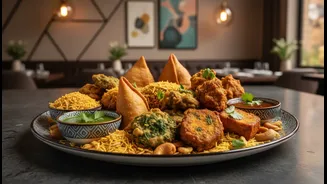
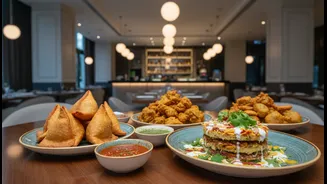
The primary engine behind this global push is the large and affluent Indian diaspora. For millions of Indians living abroad, these brands aren't just businesses; they are a direct, trusted link to the flavours of home. While local grocery stores might stock some Indian products, the desire for an authentic, comprehensive dining experience—from chaat and chole bhature to freshly made jalebis—remains powerful. Brands like Haldiram's and Bikanervala are capitalizing on decades of brand loyalty built in India. When they open an outlet in London, Hounslow, or a city in the US, they arrive with a built-in customer base eager for a familiar and reliable taste. This ready market significantly lowers the risk associated with international expansion.
More Than a Business, It's an Experience
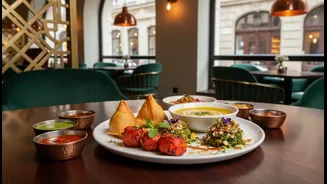
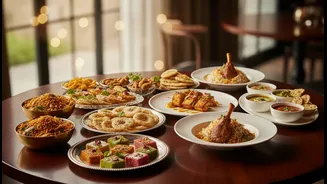
These new restaurants are designed to be more than just places to eat; they are cultural hubs. They offer a vibrant mix of traditional North Indian vegetarian dishes, sweets, and snacks in a modern, family-friendly setting. Bikanervala’s new UK locations, for example, offer not just dining but also outdoor catering and even a wedding studio, aiming to integrate into the social fabric of the diaspora community. The goal is to recreate the authentic Indian experience of celebrating with food, turning a simple meal into a memorable event. This strategy meets a core need for first-generation immigrants and also introduces Indian culinary traditions to younger, second-generation members and the wider non-Indian community.
A Calculated Global Gamble
The move from manufacturing packaged goods to running international restaurant chains is a complex and costly undertaking. It involves navigating different regulatory environments, managing international supply chains, and significant capital investment. Bikanervala's UK expansion, for example, is backed by a substantial £50 million investment. However, the potential rewards are immense. The restaurant business offers higher profit margins than packaged goods and allows brands to capture a larger share of consumer spending. By establishing a physical restaurant presence, these companies reinforce their brand identity, transforming from a simple product on a shelf into a comprehensive food destination. This strategy is a form of 'reverse food drainage,' taking authentic Indian flavours to the global stage, in contrast to the longtime dominance of Western fast-food brands in India.
The Future is a Global Indian Menu
This trend is not limited to just a few legacy players. Newer brands like Anand Sweets and Savouries are also expanding with restaurant concepts in India and eyeing overseas markets like Dubai, the US, and the UK. The success of these pioneers showcases a new confidence in Indian brands. They are no longer just exporting products; they are exporting entire cultural and culinary experiences. Driven by the powerful economic and nostalgic demands of the diaspora, and an increasing global curiosity for authentic cuisine, the transition from snack-maker to global restaurateur appears to be a defining feature of the next chapter for India’s most beloved food brands.