






The Monsoon-Microbe Connection
Why does the risk of getting sick from food spike during the rainy season? It's a combination of factors. The high humidity in the air allows bacteria and fungi to multiply rapidly on food that's left out. This means that food can spoil much faster than
in drier weather. Additionally, heavy rains can lead to waterlogging and contamination of water supplies with sewage, increasing the prevalence of pathogens like E. coli and Salmonella. This contaminated water can be used in cooking or washing, especially by street vendors, posing a significant health risk. This environment is a perfect storm for foodborne illnesses like gastroenteritis, typhoid, and cholera.
Street Food Smarts
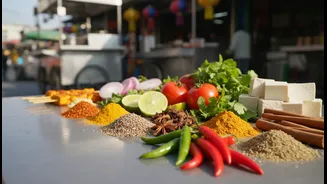
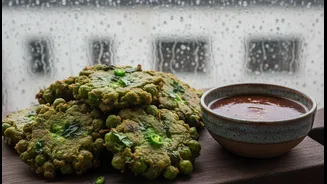
While the safest option is to avoid street food, the allure of a roadside pakora on a rainy day is strong. If you must indulge, choose wisely. Opt for vendors who visibly maintain high standards of hygiene—look for clean utensils, covered food containers, and a tidy surrounding area. The golden rule is to always choose food that is prepared fresh in front of you and served piping hot. High temperatures kill most harmful bacteria. This makes freshly fried samosas or bhutta (roasted corn on the cob) a much safer bet than pre-made chaats, cut fruits, or anything with raw chutneys that have been sitting out. Avoid pani puri at all costs, as the water is a primary source of infection.
The Safe Home Kitchen
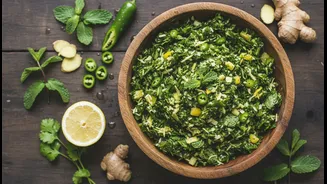
The best way to enjoy monsoon snacks without stress is to prepare them at home. This gives you complete control over the ingredients and hygiene. Start with the basics: wash your hands thoroughly with soap and water before handling any food. Clean all your kitchen surfaces and utensils properly. Vegetables, especially leafy greens, can harbour a lot of dirt and germs during this season. It's essential to wash all produce thoroughly under clean, running water. For extra safety, you can soak vegetables in a solution of water and vinegar or salt. Always use filtered or boiled water for cooking to eliminate the risk of waterborne contaminants.
Recreating Tangy Flavours Safely
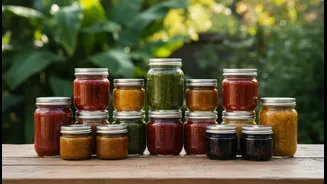
A chaat or pakora is incomplete without its tangy chutneys. However, outside chutneys are a major risk factor for contamination. You can easily replicate those vibrant flavours at home. For green chutney, use fresh, thoroughly washed coriander and mint. For tamarind (imli) chutney, use boiled water to extract the pulp from a clean block of tamarind or opt for good-quality packaged paste. Store your homemade chutneys in airtight containers in the refrigerator and try to consume them within a day or two. This way, you get all the zesty flavour you crave without the accompanying germs.
Smart Snack Choices
During monsoon, it's wise to make some smart swaps. Instead of raw salads, opt for warm soups or cooked vegetable preparations. If you're craving something fried, making pakoras at home ensures the oil is fresh and the ingredients are clean. You can even explore healthier cooking methods like using an air fryer. Instead of buying packaged snacks that might be affected by humidity, choose snacks that are inherently safer. Hot beverages like masala chai or herbal teas with ginger and tulsi are not only comforting but also help boost immunity. Ultimately, the key is to favour freshly cooked, hot meals over anything raw, cold, or of uncertain origin.