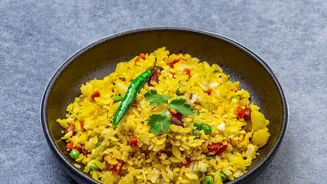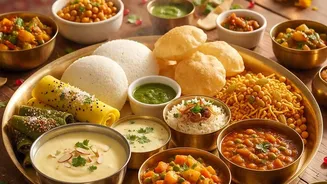

In a world of fast food, the timeless wisdom of traditional kitchens offers a treasure trove of snacks that are both delicious and deeply nourishing. Maharashtrian cuisine, in particular, showcases a genius for turning humble grains into culinary gold.
Thalipeeth: The Multi-Grain Powerhouse
Rooted in the daily life of rural Maharashtra, thalipeeth is a savoury, rustic flatbread that embodies the principle of 'wholesome indulgence'. Culinarily, it's a masterpiece of texture and flavour. Made from a special flour called 'bhajani', it combines roasted grains like jowar (sorghum), bajra (pearl millet), wheat, and rice with legumes like chana and urad dal. Spices, onion, and fresh coriander are mixed into the dough, which is then patted flat by hand and cooked on a tawa until it’s crisp on the outside and soft within. It's traditionally served with a dollop of white butter or thick curd. Nutritionally, thalipeeth is a powerhouse. The combination of various grains and pulses creates a complete protein profile, something often tricky to achieve in vegetarian diets. It is exceptionally rich in dietary fibre, which aids digestion and provides sustained energy, making it a perfect meal for a long day. The addition of spices and vegetables further boosts its vitamin and mineral content.
Bhakri: The Humble Superfood Staple
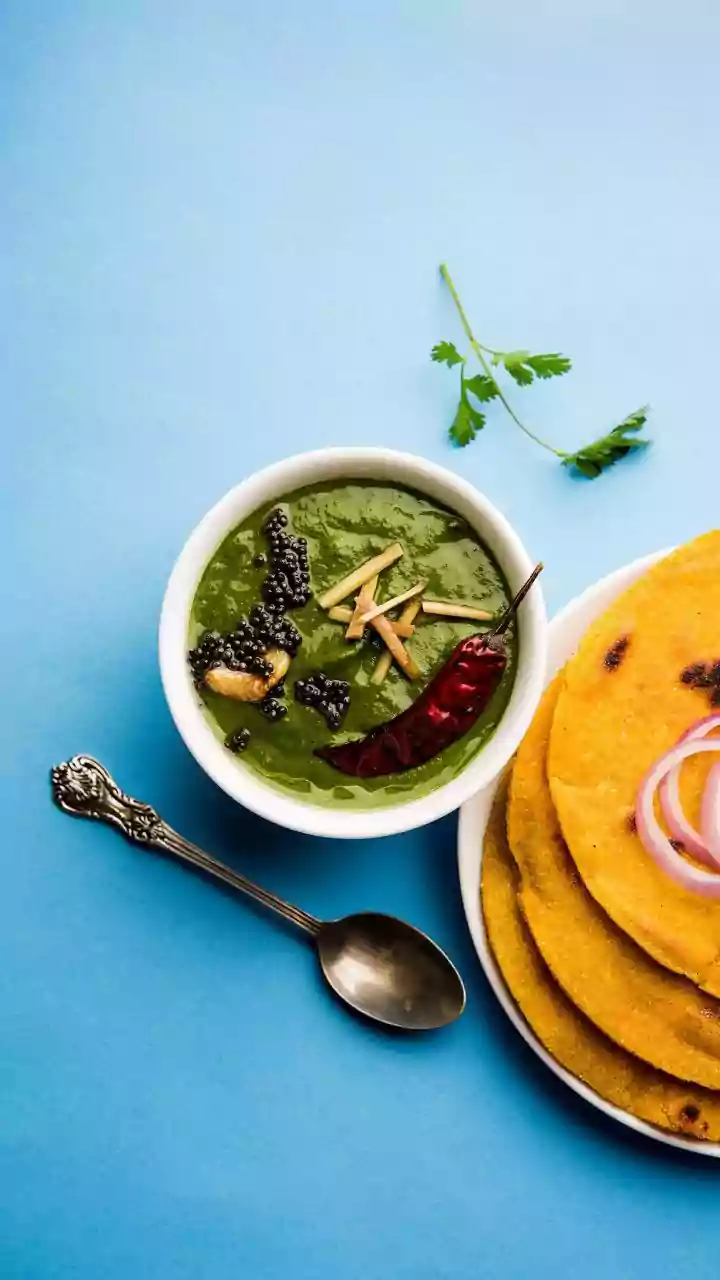
Bhakri is the elemental, unleavened flatbread of Maharashtra, most commonly made from jowar or bajra flour. Its culinary merit lies in its beautiful simplicity. A well-made bhakri is soft yet has a delightful bite, with a subtle, earthy flavour that makes it the perfect vehicle for fiery curries like pithla (a gram flour-based curry), spicy thecha (chilli chutney), or any vegetable preparation. Nutritionally, bhakri is a star. Both jowar and bajra are millets, celebrated for being naturally gluten-free and having a lower glycaemic index compared to refined wheat. Jowar is known for its high fibre content, which helps in better digestion and blood sugar regulation. Bajra, often preferred in winter for its warming properties, is rich in iron, protein, and magnesium. Because the entire grain is used to make the flour, all the natural fibre and nutrients are retained, making it a far superior choice to flatbreads made from refined flour.
Kothimbir Vadi: The Deceptively Healthy Treat
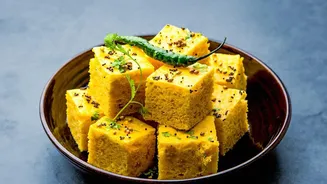
While technically made from gram flour (besan), which comes from a legume, Kothimbir Vadi shares the stage with its grain-based cousins as a beloved and nutritious snack. 'Kothimbir' means coriander, and this snack is a celebration of the fresh herb. A thick batter of besan, packed with chopped coriander leaves, ginger-garlic paste, and spices, is first steamed into a cake. This cake is then cut into squares and either shallow-fried until golden and crisp or enjoyed as is for a softer texture. The result is a snack that is bursting with fresh, herby flavour, with a savoury depth from the gram flour. Nutritionally, it’s a winner. Besan is an excellent source of plant-based protein and dietary fibre. Coriander leaves themselves are packed with vitamins A, C, and K, as well as antioxidants. Steaming the vadi is a particularly healthy preparation method that preserves nutrients and keeps the snack light and low in fat.
Ghavan: The Instant Rice Flour Crepe
Hailing from the Konkan region, Ghavan is Maharashtra's answer to the crepe. It is a simple, delicate, and lacy pancake made from a thin, watery batter of rice flour and salt. Unlike dosas, ghavan requires no fermentation, making it an instant and popular breakfast choice. Cooked on a hot pan, it becomes soft and net_like, perfect for soaking up the flavours of whatever it's served with,' be it coconut chutney,' a simple vegetable stew,' or even just a sweet sprinkling of jaggery and coconut.' From a nutritional standpoint,' rice flour provides a quick source of carbohydrates for energy.' Being light and easy to digest,' ghavan is an excellent meal for a gentle start to the day or when recovering from an illness.' To make it more balanced,' it can be paired with protein_rich accompaniments like lentil_based curries or vegetable bhajis,' a practice that is common in Maharashtrian households.