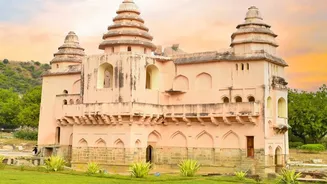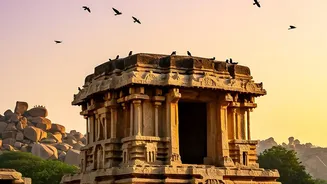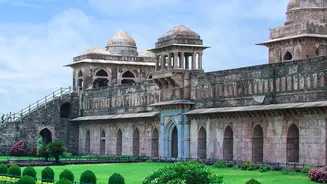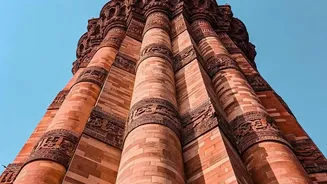



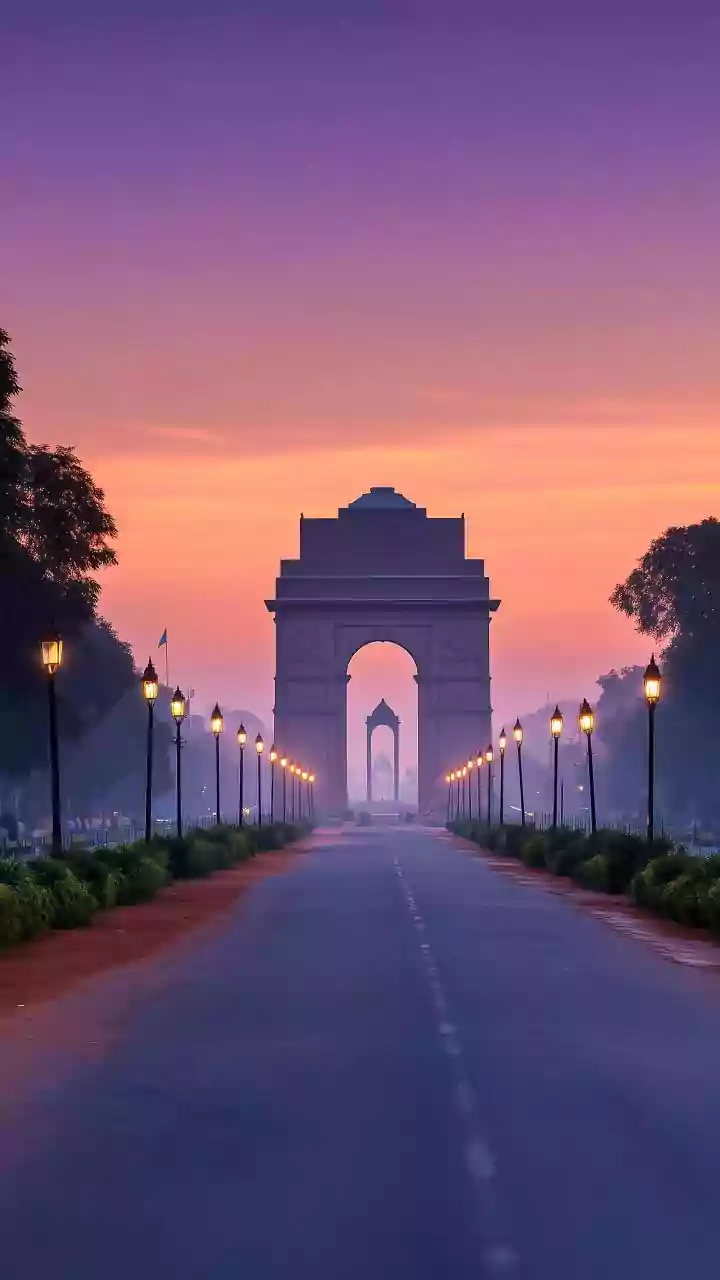
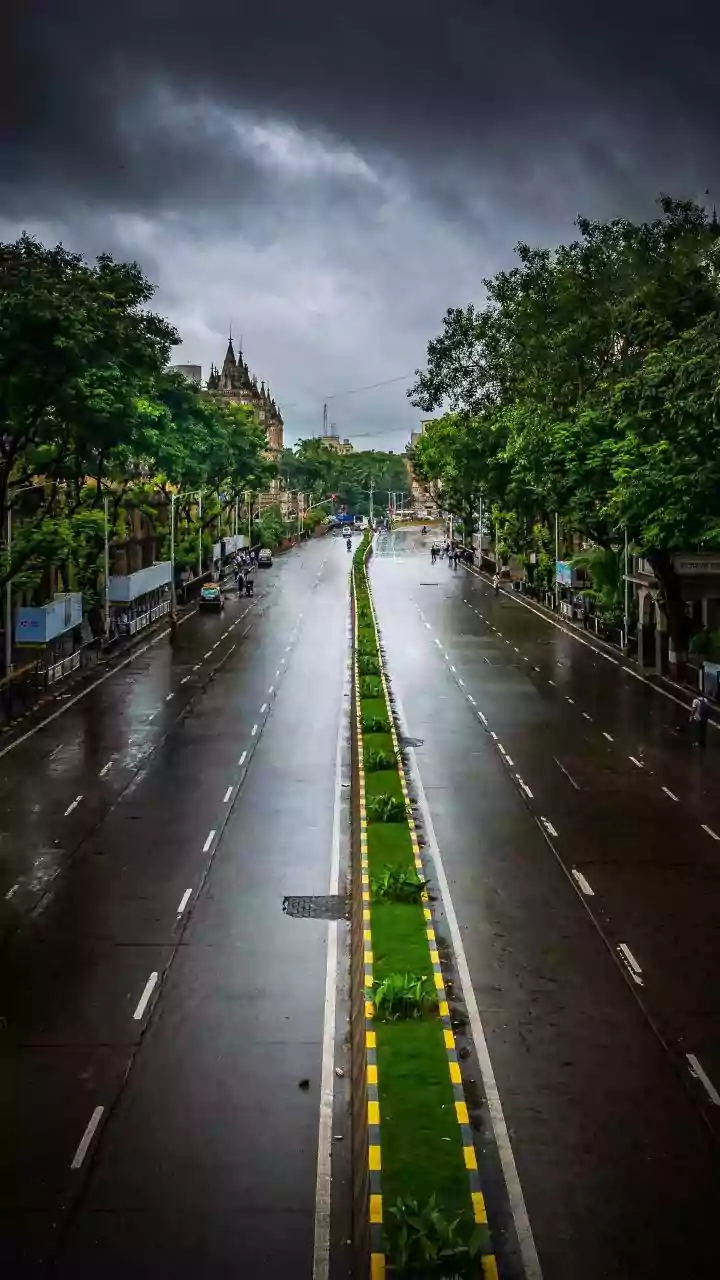



Beyond the Overcrowded Hotspots
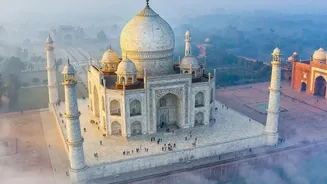
For decades, Indian tourism has often meant following a well-trodden path. While iconic sites are invaluable, this concentration of visitors leads to a classic problem: over-tourism in a few key locations and untapped potential everywhere else. This imbalance
puts immense pressure on the infrastructure of popular cities and leaves countless smaller towns and villages with unique cultural and natural attractions overlooked. The result is a missed opportunity for more inclusive economic growth and for travellers seeking unique, authentic experiences. Recognising this, the Ministry of Tourism has launched initiatives like the 'Dekho Apna Desh 2.0' campaign, which aims to redistribute tourism demand by promoting lesser-known but tourism-ready destinations. The goal is to shift focus from just a few saturated spots to the vast diversity of experiences India offers, supporting local jobs and communities in the process.
The Power of a Good Story
This is where digital storytelling comes in. It’s much more than just posting a pretty picture online. It's the art of creating a narrative around a place, weaving together its history, culture, people, and experiences into a compelling tale that builds an emotional connection with potential visitors. In an age where travellers, particularly younger ones, rely heavily on social media platforms like Instagram and YouTube for inspiration, user-generated content and authentic narratives have become powerful marketing tools. Studies show that modern travellers are increasingly seeking genuine experiences that allow them to connect with local culture. Digital stories—told through vlogs, reels, immersive websites, and blog posts—can convey this authenticity in a way traditional advertising often cannot.
Government and Industry Take Notice
The potential of digital promotion has not gone unnoticed by officials. On World Tourism Day 2026, the Ministry of Tourism announced partnerships with several technology and travel companies to boost its digital outreach. An agreement with InMobi's Glance platform, for instance, aims to use AI-led digital content to promote both prominent and undiscovered destinations, with a special focus on connecting with younger audiences through storytelling. Similarly, a partnership with Airbnb is designed to strengthen India's homestay ecosystem by providing training and digital onboarding for hosts in emerging tourism destinations. These collaborations are part of a broader strategy under the 'Incredible India' framework to enhance destination visibility and community participation.
A Blueprint for Hidden Gems
So, how can a small village in the hills or a coastal community off the beaten path leverage this trend? The beauty of digital storytelling is its accessibility. It doesn't necessarily require a massive budget. It can start with a local homestay owner sharing the story of their family's recipes on Instagram, a guide creating a short video tour of a nearby forgotten ruin, or a community collective showcasing their unique handicrafts through a simple website. The key is authenticity. Instead of just being objects in a tourist's photo, local communities can become the active creators of their own destination image. By empowering these local storytellers and collaborating with micro-influencers who value genuine experiences, destinations can build a dedicated following. This approach not only attracts visitors but fosters a sense of pride and ownership within the community.