






The Video That Sparked the Conversation
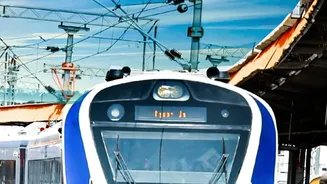
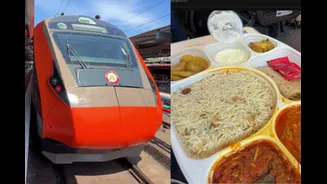
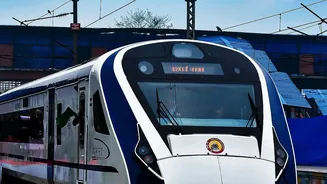
In the age of social media, a single post can shape public perception in minutes. This is exactly what happened following the inaugural run of the much-anticipated Vande Bharat Express connecting Bengaluru and Goa. A vlogger shared a video review of the food
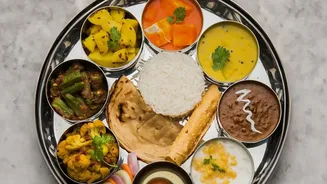
served on the journey, which quickly gained widespread attention. The video showcased the meal provided by the popular South Indian restaurant chain, Adyar Ananda Bhavan (A2B). The spread included items like paneer curry, rice, a dry vegetable curry, and Puran Poli, a traditional sweet flatbread. While the vlogger and some fellow passengers offered positive reviews, with one calling the paneer curry 'the best thing he had in a while', the video's circulation online opened the floodgates for a broader discussion on railway catering standards.
Official Response and Context
While there wasn't a formal complaint in this specific viral instance, which largely featured positive commentary, Indian Railways and its catering arm, IRCTC, are typically quick to respond to passenger grievances. In past incidents on other routes where passengers have complained about issues like stale or cold food, Railways Seva, the official support account, has registered formal complaints and IRCTC has taken action, including imposing fines on service providers. The headline's point that one video isn't proof of a permanent menu is crucial. The food served on the inaugural run, often catered by well-known brands for the special occasion, might differ from the standard daily menu. Furthermore, passengers praised not just the food but also an initiative to reduce food waste, where unused meals were collected for distribution rather than being discarded.
How Vande Bharat Catering Actually Works
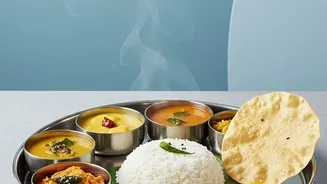
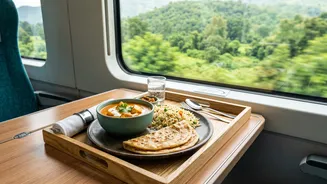
Catering on Vande Bharat trains is not a one-size-fits-all service. Managed by IRCTC, the menu is often tailored to reflect the regional cuisine of the route it travels. For instance, trains in the north might feature kachoris, while southern routes may offer idli and vada. Crucially, for most daytime Vande Bharat services like the Bengaluru-Goa Express, catering is optional. Passengers can choose to opt-out of the pre-paid meals when booking their tickets, which reduces the total fare. If you select 'No Food' but feel hungry later, you can usually purchase meals from the catering staff onboard, although it might cost slightly more than the pre-booked rate and is subject to availability. Passengers are also permitted to bring their own home-cooked food and snacks.
Understanding Rotational and Regional Menus
The idea of a 'permanent menu' is often a misconception. IRCTC frequently uses a rotational menu system to provide variety. This means the meal you get on a Monday might be different from the one served on a Friday. The goal is to avoid monotony for frequent travellers. The menu for breakfast, lunch, dinner, and evening snacks is determined by the train's departure time and journey duration. For example, a morning departure will typically include tea and breakfast, while an afternoon journey includes high-tea and dinner. For newer Vande Bharat Sleeper services, the rules are slightly different, with catering often being an integral part of the ticket fare, not an optional add-on. This push towards regional menus is a deliberate strategy by Indian Railways to enhance the passenger experience by offering a taste of the local culture.
How to Provide Effective Feedback
While viral videos can draw attention, the most effective way to address a genuine issue with railway services is through official channels. Indian Railways has a structured grievance redressal system. Passengers can file complaints via the RailMadad portal or mobile app, or by calling the helpline number 139. For catering-specific issues, you can log in to your IRCTC account, go to your bookings, and find an option to file a food complaint. Providing specific details like your PNR number, coach, and the nature of the issue helps ensure that the complaint is officially registered and investigated. This formal process creates a record and holds vendors accountable, leading to more consistent service improvements than a fleeting social media post.