




The Perfect Pita Foundation
The secret to a great pita pocket starts with the bread itself. While making your own pita is a rewarding kitchen project, high-quality store-bought pitas are a fantastic shortcut for a quick lunch. Look for thicker, softer pitas, as they are less likely
to tear when stuffed. Whole wheat options offer more fibre and a nutty flavour, while classic white pitas are soft and pillowy. The most crucial step is warming the pita before you fill it. A brief stint in a toaster, a hot, dry skillet, or even a microwave for a few seconds makes the bread pliable and helps the pocket open up without splitting. This gentle heat transforms it from a simple flatbread into the perfect, ready-to-fill pocket that forms the base of your cafe-style creation.
Inspiration for Endless Fillings
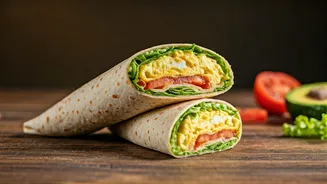
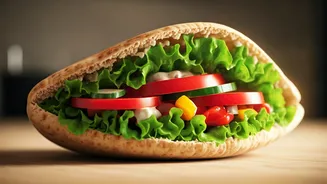
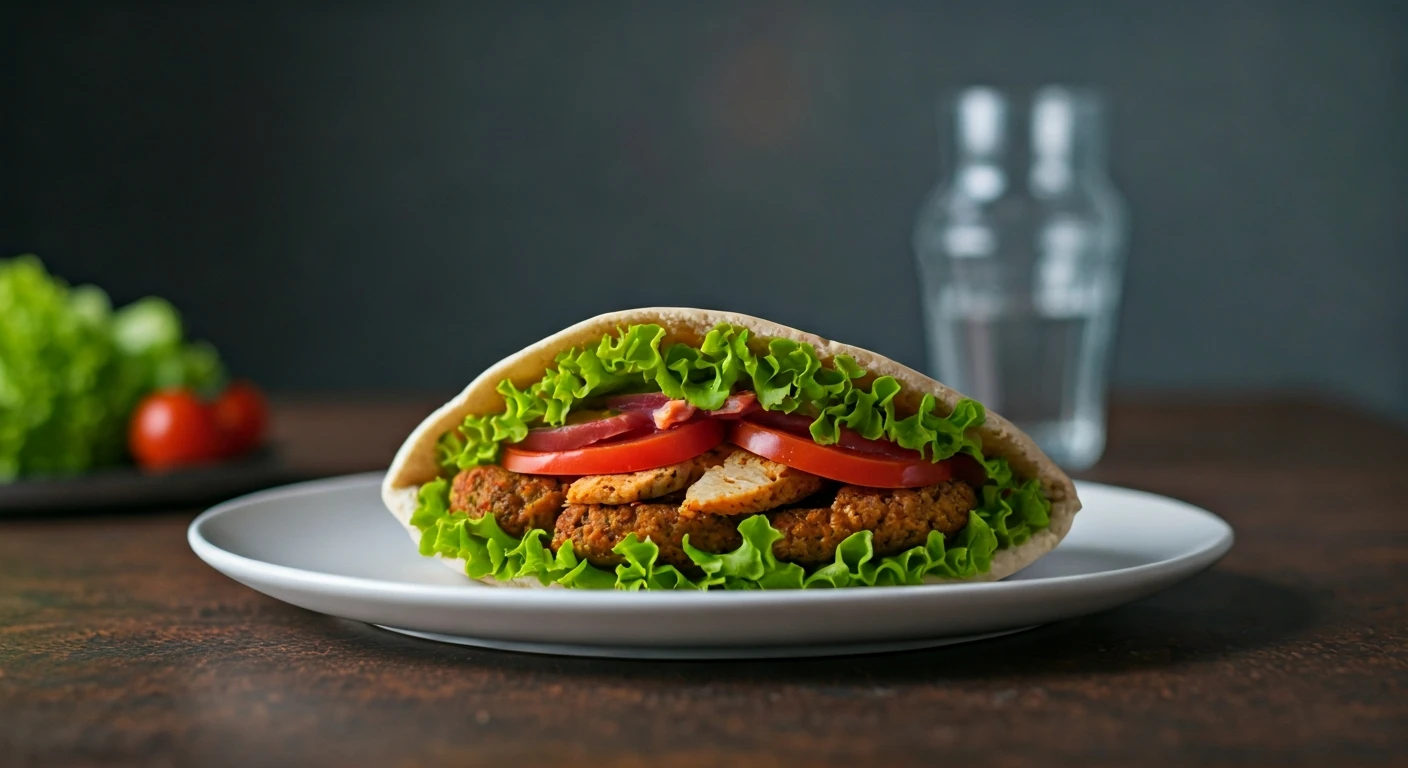
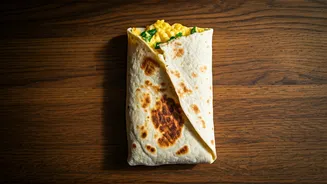
The true beauty of the pita pocket lies in its versatility. It can hold anything you can dream up, from classic combinations to inventive new flavours. For a taste of the Mediterranean, start with a generous smear of hummus and fill the pocket with chopped cucumber, tomatoes, red onion, and salty feta cheese. If you're in the mood for something with a bit more protein, a Greek-inspired filling of seasoned ground turkey, fresh spinach, and a dollop of creamy tzatziki is a satisfying choice. A simple chicken or tuna salad also works wonderfully. For a vibrant vegetarian option, combine roasted cauliflower or portobello mushrooms with your favourite greens and a flavourful dressing. You can even create a breakfast pita with scrambled eggs, spinach, and cheese for a hearty start to your day. Don't be afraid to mix and match ingredients based on what you have on hand; leftovers like taco meat or roasted vegetables are excellent candidates for a new life inside a warm pita.
Making It Genuinely Fast
The 'fast' in a fast cafe lunch comes from smart preparation. You can have pita pockets ready in minutes if you embrace a little meal prep. At the start of the week, take some time to batch-cook key components. Grill some chicken, cook a batch of quinoa, or roast a tray of vegetables. Chop up raw veggies like cucumbers, bell peppers, and onions and store them in airtight containers. You can also mix up your dressings and sauces, like a simple vinaigrette or a yogurt-based sauce, and have them ready to go. With these components prepped and waiting in your fridge, assembling your lunch becomes a simple matter of warming a pita and stuffing it with your chosen ingredients. This approach not only saves you precious time during a busy day but also makes it easier to eat a healthy, flavourful meal instead of reaching for a less satisfying option.
Secrets to a Superior Pocket
There are few things more disappointing than a pita pocket that gets soggy or falls apart mid-meal. Luckily, a few simple tricks can prevent this lunchtime tragedy. To combat sogginess, think about the order of your ingredients. Creating a barrier with less-moist ingredients, like a layer of lettuce or spinach at the bottom, can protect the bread from wetter components like tomatoes or sauces. Using thicker sauces like tahini or tzatziki instead of thin, watery dressings also helps. To prevent the pocket from splitting at the bottom, some enthusiasts suggest trimming a small piece from the top of the pita and placing it inside at the bottom for reinforcement. Finally, be mindful not to overstuff your pita. While it's tempting to pack it full, a moderately filled pocket is much easier and cleaner to eat. A warm, fresh pita is also less likely to become brittle and tear.