



From Postcards to Posts
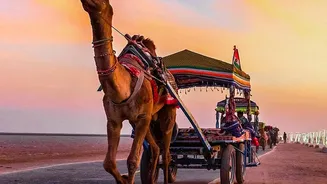
The biggest shift in modern Indian travel is its visual-first nature. Where previous generations might have brought back a few photo albums, today’s travellers are creating a constant stream of digital content. Social media platforms, especially Instagram,
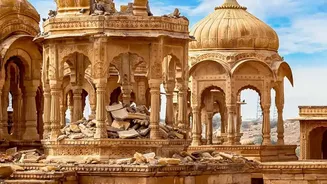
have become the new travelogue. This has given rise to the phenomenon of planning trips around “Instagrammable” moments. Over 60% of Indian Gen Z travellers admit social media influences their destination choices. It's no longer enough to see a landmark; the goal is to capture it from a unique, aesthetically pleasing angle that tells a personal story. This has pushed many to explore lesser-known locations and offbeat paths, seeking out vibrant street art, minimalist cafes, and breathtaking natural vistas that will stand out on a crowded feed. The trip's success is often measured by the quality of the content it generates, turning travel into a dynamic act of creation.
A Journey for the Taste Buds
Food is no longer just fuel for a trip; for many young Indians, it is the destination itself. A growing number of travellers are planning entire holidays around culinary experiences. Reports indicate that up to 40% of Indian travellers now consider a destination's food culture a major factor when planning a holiday. This trend, heavily influenced by food bloggers and visually rich online content, goes far beyond fine dining. The goal is authenticity and immersion: taking a pasta-making class in Italy, joining a sushi workshop in Japan, or embarking on a guided street food tour in Vietnam. This interest is also boosting domestic tourism, with travellers eager to explore India's vast regional cuisines, from local food walks to heritage dining experiences. This shift shows a desire to connect with a culture on a deeper, more sensory level, where every meal is a key part of the travel narrative.
The Search for a Story-Worthy Thrill
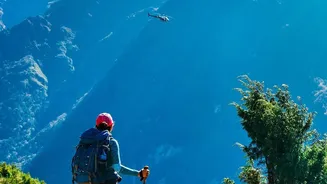
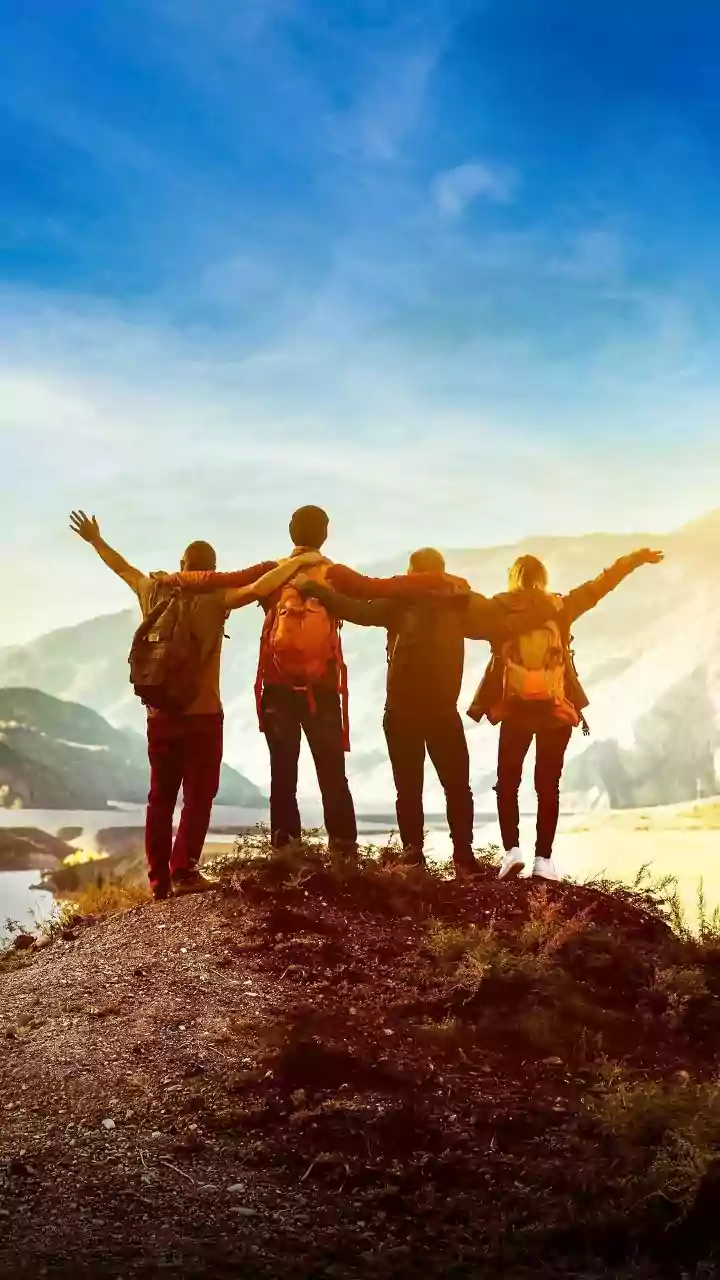
Alongside the quest for the perfect photo and meal is a growing hunger for adventure. For young Indians, adventure travel has moved beyond extreme sports to encompass a broader range of experiences that offer a sense of accomplishment and a break from urban routine. A recent report found that 55% of young Indians prefer adventure-based travel. This includes everything from trekking in the Himalayas and scuba diving in the Andamans to gentler activities like forest bathing, learning a local craft, or volunteering. The motivation has shifted from pure adrenaline to a desire for authenticity, wellness, and a connection with nature. These experiences provide not only a personal challenge but also compelling stories and visuals to share. Whether it’s a solo trip for self-discovery or a group trek with friends, adventure has become an essential ingredient for a fulfilling journey.
The New Era of Experiential Travel
Underpinning these trends is a fundamental change in values. Young Indians are increasingly prioritizing experiences over possessions. This demographic, which includes Millennials and Gen Z, is driving a boom in what the travel industry calls 'experiential travel'. This market is projected to grow significantly, fuelled by rising disposable incomes and a desire for more personalised, immersive journeys. Armed with digital tools for independent planning, travellers are ditching packaged tours in favour of customised itineraries that reflect their passions. They are not just visiting places but actively participating in them, seeking connections, learning skills, and creating unique memories. The holiday is no longer a passive escape but an active pursuit of a life rich with stories.