





The New Primetime for Dinner
The traditional 9 p.m. dinner is fading into memory for a significant portion of urban India. Sleep and meal timings have shifted, with many young consumers now eating their last meal of the day closer to midnight, or even as late as 2 or 3 a.m. Over
the past year, late-night food delivery volumes have reportedly doubled, reflecting a fundamental lifestyle change. This isn't just an occasional indulgence; it's the emergence of a “fourth meal” economy, a new consumption occasion driven by evolving work and social schedules. Food delivery platforms have noted that this late-night window is growing much faster than traditional meal times, turning what was once a niche market into a major focus.
Driven by Work, Binge-Watching, and Convenience
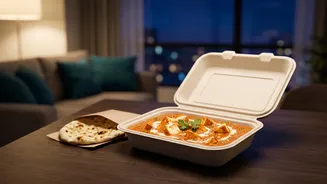
Several factors are converging to fuel this trend. The rise of flexible and hybrid work models means the workday often bleeds into personal hours. For many in the tech and service industries, late-night meetings with global teams are common, pushing dinner back. After a long day, decision fatigue sets in, making the convenience of ordering in far more appealing than cooking. This is compounded by the culture of binge-watching streaming entertainment, where ordering a meal becomes a seamless part of a late-night movie or series marathon. Essentially, the on-demand nature of entertainment is now mirrored by an expectation for on-demand food, available at any hour.
An Ecosystem That Never Sleeps
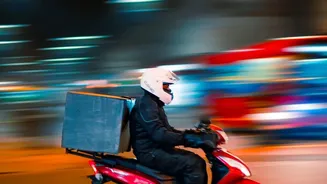
This late-night habit is enabled by a robust ecosystem of restaurants and delivery networks that now operate around the clock. Major players like Domino's and McDonald's have extended their hours to as late as 3 a.m. in many cities. The proliferation of cloud kitchens, which operate without a physical dine-in space, has been a game-changer, allowing businesses to cater specifically to the delivery market with lower overheads. Delivery platforms have also become more sophisticated, using data to predict demand surges and curating special “late-night cravings” sections on their apps. Swiggy even launched a dedicated 'Late Night Eats' program for corporate employees, highlighting the formalisation of this trend.
What's on the Midnight Menu?
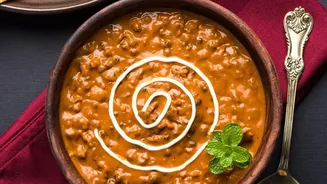
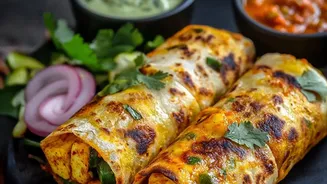
When hunger strikes after dark, Indians are often reaching for comfort foods. Biryani, pizza, and burgers consistently top the charts for late-night orders. According to data from Swiggy, chicken biryani and chicken burgers are perennial favourites in the midnight-to-2 a.m. slot. Desserts also see a massive spike, with items like choco lava cake and ice cream being ordered frequently, functioning as an affordable treat or a stress-reliever after a long day. While comfort food reigns supreme, some reports also show surprising favourites, such as masala dosa, emerging as a top late-night order in regions like the NCR. This highlights a blend of classic comfort and regional preferences shaping the nation's after-hours palate.
Beyond the Metros
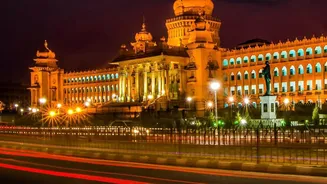
While Bengaluru, Mumbai, and Hyderabad lead the pack in late-night order volumes among metros, the trend is rapidly expanding to Tier-2 and Tier-3 cities. Places like Surat, Thiruvananthapuram, Patna, and Lucknow have shown significant growth in late-night ordering. In a surprising twist, one report noted that Indore was placing more midnight orders than Mumbai. This indicates that the lifestyle shifts driving this habit—demanding jobs, digital connectivity, and a desire for convenience—are not confined to India's largest urban centres. As delivery networks expand their reach, the late-night food habit is becoming a pan-Indian urban phenomenon.