

Why a Gentle Pre-Festive Cleanse?
The goal isn't a harsh 'detox', but rather to give your digestive system a break and nourish it before the rich meals arrive. Heavy, processed, and sugary foods can put a strain on our gut, leading to discomfort. By focusing on simple, whole foods for a few
days, you support your gut's natural functions, reduce inflammation, and can feel lighter and more energised. This approach helps balance your gut bacteria and prepares it for the festive challenges, ensuring you can enjoy the celebrations comfortably. Think of it as a quiet, preparatory phase before the grand performance of festive eating.
The Soothing Power of Light Soups
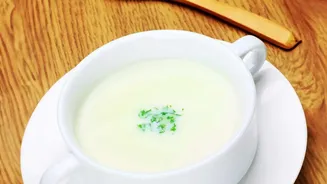
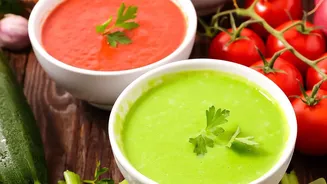
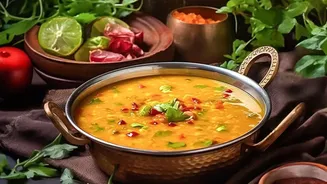
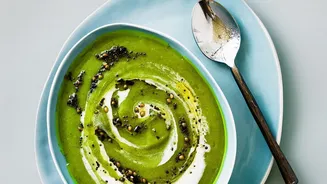
Soups are a cornerstone of a gentle gut cleanse for several reasons. They are hydrating, easy to digest, and an excellent vehicle for nutrient delivery. Because the ingredients are cooked down, the nutrients become more accessible for your body to absorb. Warming soups with ingredients like ginger can be particularly soothing for the digestive tract. Opting for broth-based soups over heavy, creamy ones ensures they remain light and hydrating. A good vegetable broth can be packed with minerals, while a lentil soup provides both fibre and protein without being heavy. Simple recipes focusing on pumpkin, carrots, or leafy greens are excellent choices.
Simple, Gut-Friendly Soup Ideas
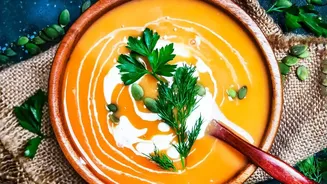
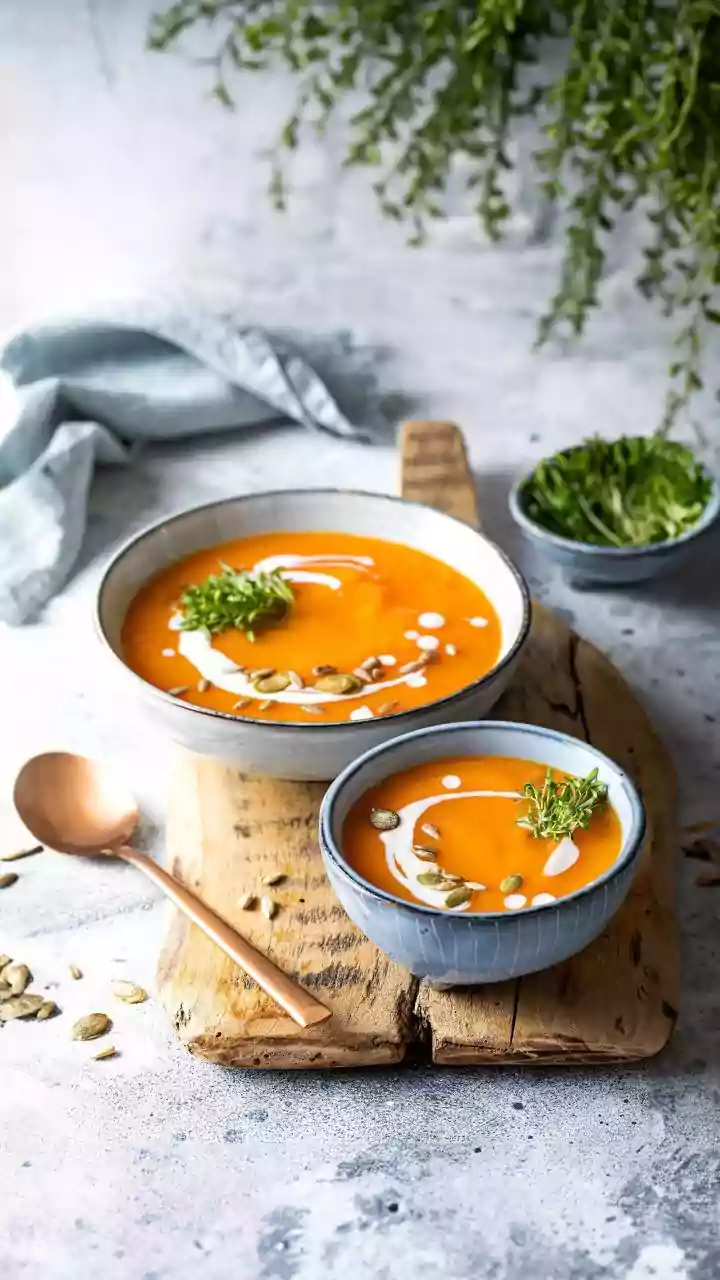
You don't need complex recipes to make a nourishing soup. Focus on wholesome ingredients. A pumpkin and carrot soup with a hint of ginger and turmeric is both anti-inflammatory and rich in beta-carotene. A clear chicken or vegetable broth with kale or spinach provides fibre and minerals while being extremely light. For something more substantial but still gentle, a red lentil soup seasoned with cumin and coriander supports digestion and provides plant-based protein. Even a simple miso soup offers probiotic benefits and is known to be easy on the stomach. The key is to avoid heavy creams and excessive fats.
Foundations of Clean Eating
Clean eating simply means choosing whole, unprocessed foods. Ahead of the festive season, focus on a few core principles. Prioritise fibre-rich foods like whole grains, legumes, vegetables, and fruits, as fibre feeds the beneficial bacteria in your gut. Include probiotic foods which introduce good bacteria; Indian staples like dahi (curd) and chaas (buttermilk) are excellent choices. Also, don't forget prebiotics—foods like onions, garlic, and bananas—which act as fuel for those good bacteria. Staying well-hydrated with water throughout the day is crucial, as it helps fibre do its job and supports overall digestion.
Foods to Favour for Gut Health
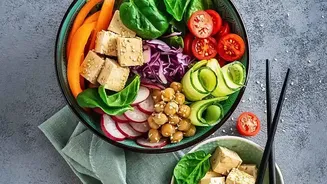
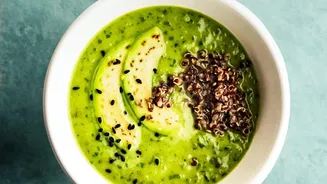
To support your gut, fill your plate with a variety of colourful plants. Leafy greens like spinach and kale are packed with fibre and nutrients that promote a healthy gut microbiome. Low-sugar fruits such as berries and citrus are easier to tolerate and full of antioxidants. Lean proteins, whether from fish, tofu, or lentils, are important for satiety and repair. Healthy fats from sources like avocados, nuts, and seeds also play a supportive role. Spices common in Indian kitchens, like turmeric and ginger, have anti-inflammatory properties that can soothe the gut.
What to Limit Before the Feasting
Just as important as what you add is what you temporarily reduce. In the days leading up to your festive meals, try to limit foods that can be hard on your digestion. These include deep-fried snacks, ultra-processed foods like biscuits and packaged namkeen, and items high in refined sugar and flour (maida). It's also wise to reduce your intake of alcohol and sugary beverages, as they can disrupt the delicate balance of your gut microbiome and contribute to bloating. Eating your last meal 2-3 hours before bed can also significantly improve digestion and sleep quality.