


Know Before You Go: Check The Alerts
Before you book anything, your first step should be to consult the latest weather bulletins from the India Meteorological Department (IMD). As of early August, heavy to extremely heavy rainfall warnings have been issued for several regions. The IMD has
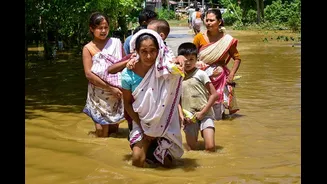
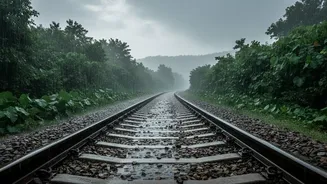
specifically highlighted intense rainfall in northeastern states like Assam and Meghalaya, as well as Sub-Himalayan West Bengal and Sikkim. Southern states including Kerala and Karnataka are also on alert for heavy showers. Central and Northwest India, from Madhya Pradesh to Uttarakhand and the Delhi-NCR region, are also expecting widespread rain. These alerts often come with advisories against travel in vulnerable areas due to risks of landslides and flash floods, so checking the specific forecast for your intended destination is non-negotiable.
Choose Your Destination Wisely
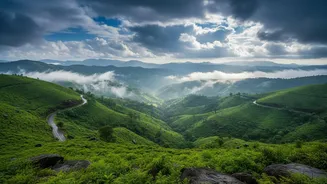
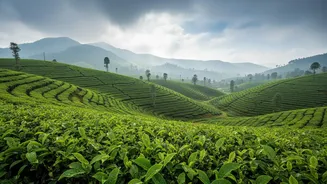
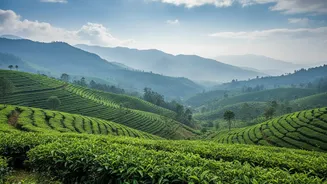
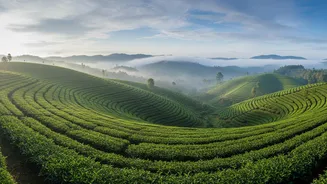
Given the active weather patterns, this is the time to be strategic about where you go. It's advisable to avoid destinations with a known history of landslides, such as certain hilly regions in Uttarakhand, Himachal Pradesh, and parts of the Western Ghats during peak downpours. Similarly, low-lying coastal areas and regions prone to flash floods should be approached with extreme caution. Consider destinations in rain-shadow regions, which receive significantly less rainfall, like parts of Ladakh or Spiti Valley. Alternatively, destinations like Udaipur in Rajasthan or areas in Tamil Nadu see less intense monsoon activity during this period and can offer a safer experience. Even popular monsoon spots like Lonavala or Munnar should be visited only after confirming that local conditions are safe.
On The Road: A Guide to Monsoon Driving
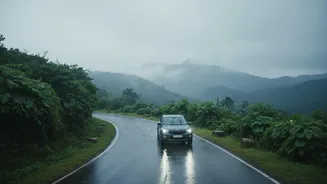
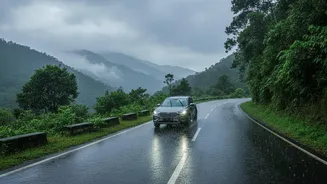
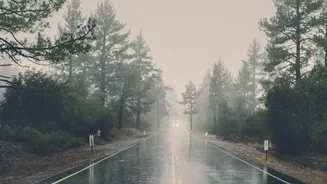
If your escape involves a road trip, vehicle preparedness and cautious driving are paramount. Before you leave, ensure your tyres have adequate tread (at least 3mm), your brakes are in top condition, and your wipers are new or working perfectly. Once on the road, reduce your speed significantly and double the safe following distance between you and the vehicle ahead; wet roads dramatically increase braking distances. Always use your low-beam headlights during the day for visibility, not high beams, which can reflect off raindrops and impair vision. Critically, never attempt to drive through waterlogged streets if you cannot gauge the depth. Water deeper than the bottom of your car's bumper can cause serious damage, and if your car stalls in water, do not try to restart it, as this can lead to catastrophic engine failure.
Health and Hygiene on Your Trip
The monsoon is a peak season for water-borne and vector-borne diseases. To stay healthy, avoid street food and any raw or uncooked items, as the high humidity fosters rapid bacterial growth. Stick to freshly prepared meals and drink only bottled, boiled, or filtered water. Mosquitoes are another major concern, with an increased risk of diseases like dengue and malaria. Pack an effective insect repellent, and wear long-sleeved clothing, especially during the evenings. It's also wise to avoid walking through stagnant water, which can be a breeding ground for bacteria and lead to infections like leptospirosis. A small first-aid kit with basics for cuts, indigestion, and any personal medications is also a must-have.