

What is El Niño?
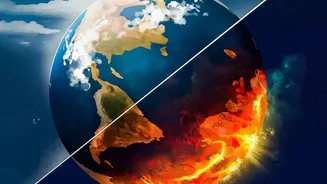
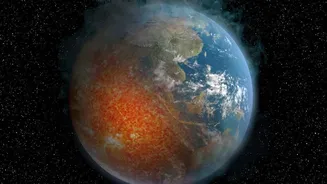
El Niño is a naturally occurring climate phenomenon defined by the unusual warming of sea surface temperatures in the central and eastern equatorial Pacific Ocean. This event, which happens every two to seven years, might seem distant, but it has a powerful
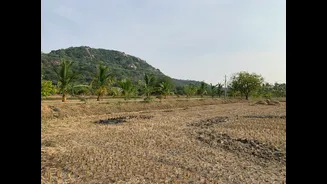
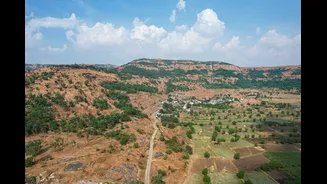
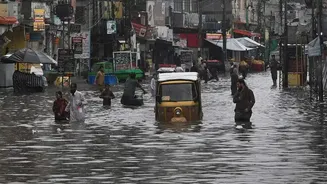
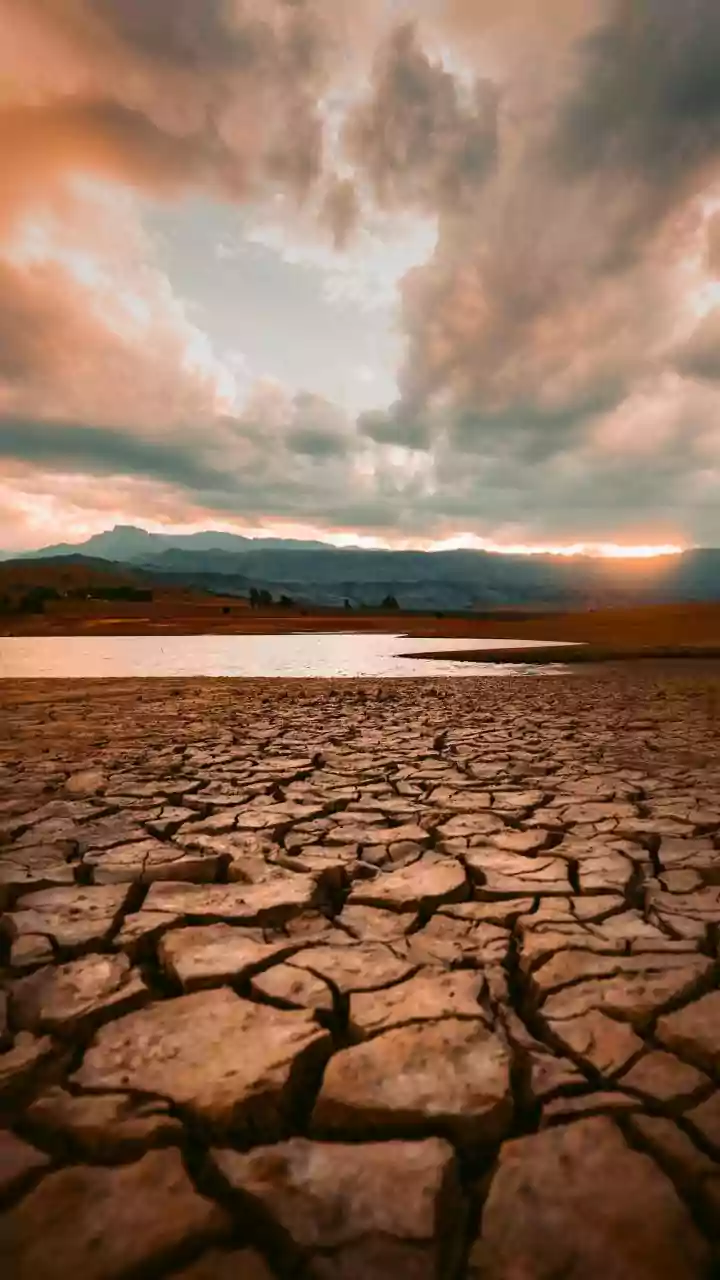
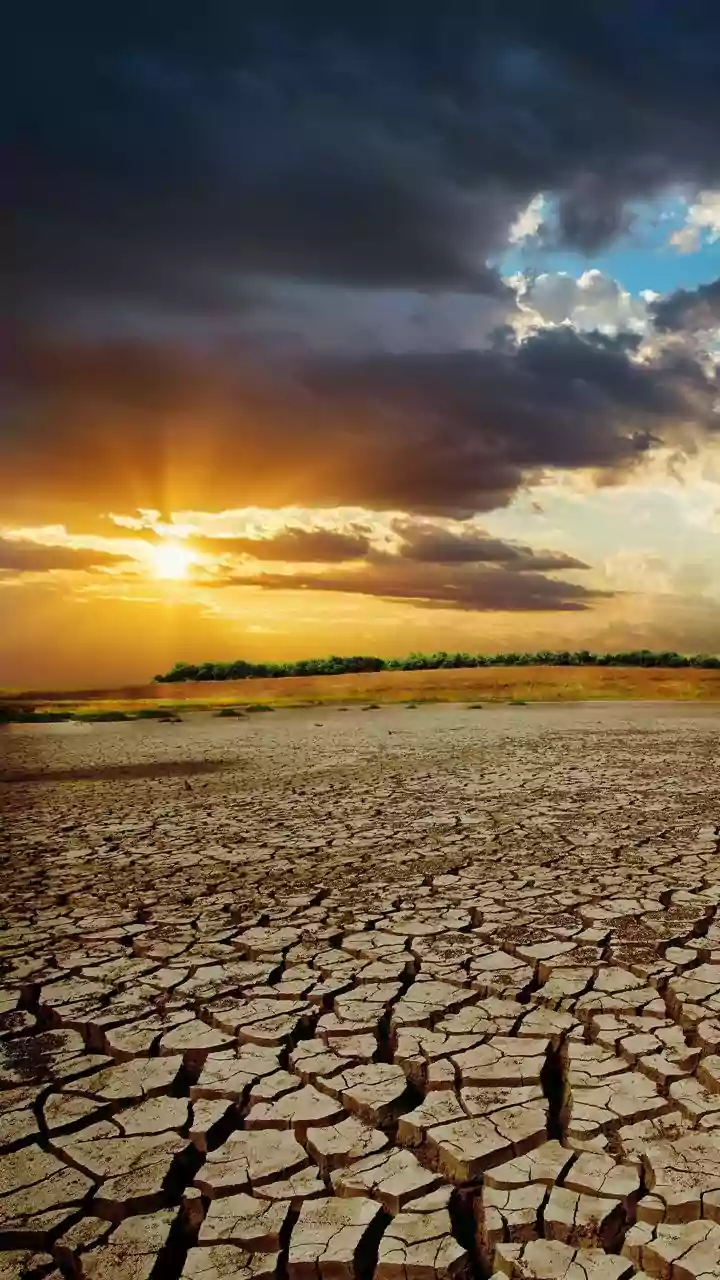
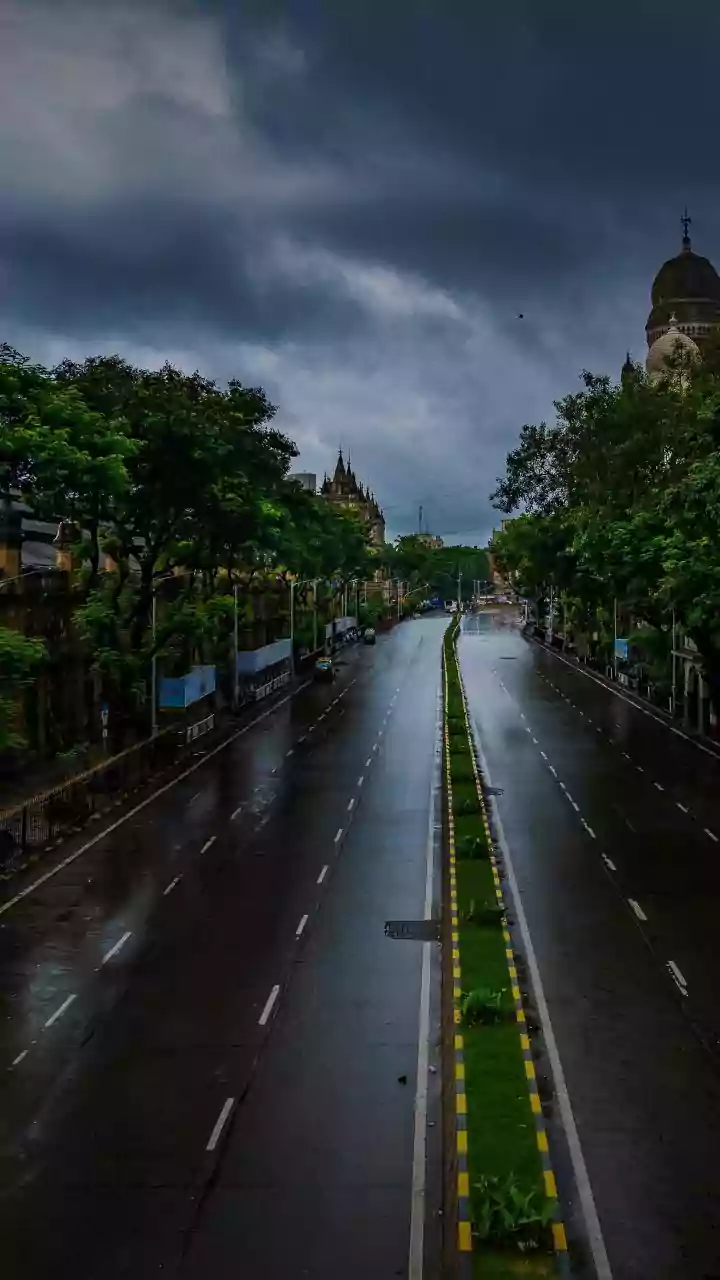
ripple effect on global weather. By altering large-scale atmospheric circulation, it disrupts normal temperature and rainfall patterns across many parts of the world, including India. Historically, El Niño years are associated with a weaker southwest monsoon, leading to drier and hotter conditions across much of the country. However, its effects can be unpredictable; some regions might experience deficits in rainfall while others could face short, intense downpours and flooding.
The Direct Threat of Extreme Heat
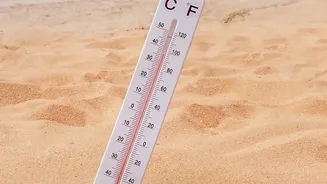
One of the most immediate health risks from an El Niño event is the increased frequency and intensity of heatwaves. Prolonged periods of extreme heat can lead to severe dehydration, heat exhaustion, and life-threatening heatstroke. These conditions are especially dangerous for vulnerable populations, including the elderly, young children, and outdoor workers like farmers and construction labourers. Furthermore, extreme heat puts immense strain on the body, worsening pre-existing conditions such as cardiovascular, respiratory, and kidney diseases. The World Health Organization (WHO) has flagged India as a country facing high health risks from El Niño, with heat being a primary concern.
A Breeding Ground for Disease
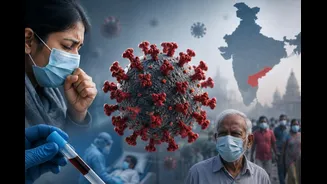
Changes in temperature, humidity, and rainfall create ideal breeding conditions for mosquitoes, the vectors for several dangerous diseases. Warmer temperatures can accelerate mosquito breeding cycles, potentially leading to a surge in cases of dengue, malaria, and chikungunya. The link is so significant that health authorities often ramp up surveillance and preventive measures in response to El Niño forecasts. Beyond mosquitoes, water scarcity during droughts can force communities to rely on unsafe water sources, increasing the risk of water-borne diseases like cholera, typhoid, and other diarrhoeal illnesses. Conversely, sudden floods can contaminate water supplies and lead to outbreaks of leptospirosis.
Impact on Food and Water Security
A weakened monsoon, a common feature of El Niño years, poses a direct threat to India's agriculture, which is heavily reliant on seasonal rains. Widespread drought can lead to crop failures, reducing food availability and driving up prices. This can result in food insecurity and malnutrition, particularly affecting rural communities and low-income households. The impact on nutrition weakens people's immune systems, making them more susceptible to infectious diseases and creating a vicious cycle of poor health. Water scarcity also affects hygiene and sanitation, further contributing to the spread of disease.
Strengthening India's Defences
Recognising these interconnected threats, public health bodies in India are increasingly focusing on preparedness. The WHO has called for better coordination between meteorological services and health authorities to create climate-informed health strategies. Key recommendations include strengthening disease surveillance systems, ensuring hospitals are prepared for heat-related emergencies, securing safe drinking water supplies, and running public awareness campaigns. The Ministry of Health and Family Welfare advises states to conduct district-wise risk assessments and prepare action plans that cover everything from heatwaves to floods and disease outbreaks. This proactive approach treats El Niño not just as a weather event, but as a predictable public health challenge that requires a coordinated response.