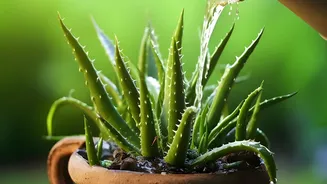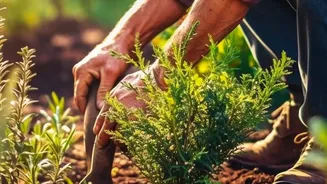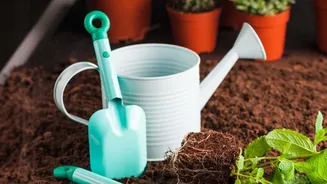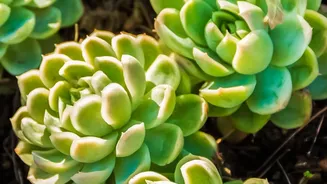




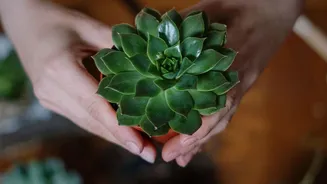
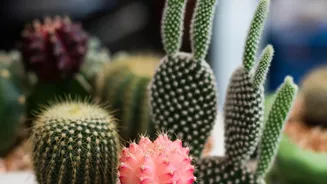
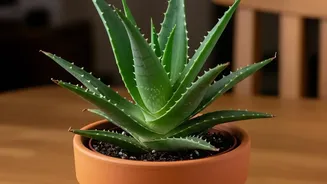
The stark beauty and low-maintenance appeal of desert plants make them a popular choice. Many assume special care means special expenses, but keeping cacti and succulents thriving can be surprisingly affordable with just a few simple techniques.
The 'Costs Nothing' Reality Check
While
the headline's promise of 'costs nothing' is an attractive idea, let's be realistic. You will have an initial outlay for the plant and a pot. However, the ongoing care—the watering, feeding, and monitoring that keeps a plant alive—can come remarkably close to zero cost. The secret isn't in buying expensive products, but in paying close attention to your plant's basic needs using what you already have. Forget pricey moisture meters and special plant foods; your senses and a little know-how are the most valuable tools in your arsenal.
Is Tap Water Really Safe?
For the most part, yes. Desert plants like cacti and succulents are generally robust enough to handle tap water. However, tap water can contain chlorine and other minerals that may build up in the soil over time. Chlorine, a disinfectant, can potentially harm the beneficial microbes in the soil. A simple, no-cost solution is to let your tap water sit in an open container for at least 24 hours before using it. This allows most of the chlorine to evaporate. If your water is 'hard', meaning it has a high concentration of minerals like calcium and magnesium, you might notice a white crust forming on the soil or pot over time. While these minerals aren't immediately harmful, a long-term buildup can affect the soil's pH. Rainwater is the ideal, but for cost-free convenience, letting tap water rest is an effective strategy.
The Fingertip Soil Moisture Test
Overwatering is the number one killer of desert plants. They are adapted to dry conditions and are highly susceptible to root rot if their soil stays wet. Instead of guessing or buying a moisture meter, use the most reliable tool you have: your finger. Simply push your index finger about two inches deep into the soil, away from the stem. If the soil feels dry and crumbly, and your finger comes out clean, it’s time to water. If you feel any moisture or if soil sticks to your finger, wait. It's always better to err on the side of underwatering. Check every week or so, but only water when this test confirms the soil is completely dry.
Reading the Soil Without a Kit
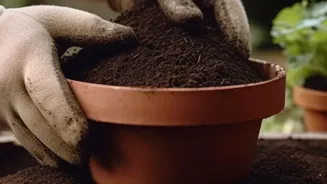
Beyond moisture, the texture of your soil matters. You can perform a simple 'squeeze test' to check its composition. Grab a handful of slightly moist soil and squeeze. If it forms a clump that holds its shape, it might have too much clay and retain too much water. If it falls apart the moment you open your hand, it's very sandy and may drain too quickly. Ideal soil for succulents will hold together loosely but crumble when you poke it. You can also perform a drainage test by digging a hole in your garden, filling it with water, letting it drain, and then filling it again to see how long the water takes to disappear. Good drainage is crucial, and a well-draining potting mix can often be made by simply amending standard potting soil with coarse sand.
Sunlight and Feeding on a Budget
Sunlight is free, and it's one of the most important ingredients for healthy desert plants. Most cacti and succulents need several hours of bright, direct sunlight each day. A spot near a south or west-facing window is often ideal. As for fertilizer, these plants have very low nutrient requirements. They generally only need to be fed once or twice a year during their growing season in spring and summer. You don't need a special cactus fertilizer; a diluted solution of a standard houseplant food will work just fine. By focusing on the free resources of sunlight and paying close attention with your no-cost soil checks, you can maintain beautiful desert plants without spending a fortune.