




As the monsoon recedes and a pleasant coolness fills the air, October is the perfect time for Indian gardeners to welcome two festive favourites: Chrysanthemums and Marigolds. This guide will walk you through everything you need to know.
Why October is the Golden Month for Planting
October marks
a sweet spot in the Indian climate. The intense summer heat has subsided, and the heavy monsoon rains have tapered off, creating ideal conditions for planting. Sowing seeds or planting saplings now allows these flowers to establish a strong root system before the cooler winter months, which is their prime blooming season. For many, planting 'Genda' and 'Guldavari' in October is a tradition, ensuring a garden full of vibrant colour in time for Diwali and other winter festivities. The timing is perfect for a full bloom cycle that will last through the celebratory season.
Choosing Your Plants: Seeds or Saplings?
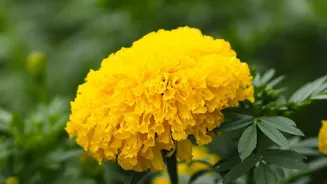
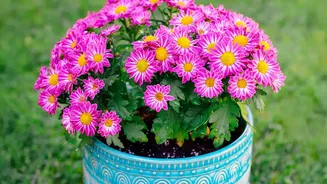
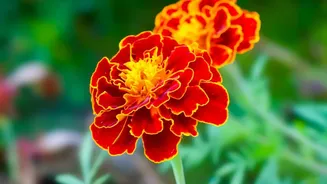
Both Chrysanthemums and Marigolds can be grown from seeds or young plants (saplings) purchased from a nursery. For beginners, saplings are often easier as they give you a head start. When choosing, look for healthy, green foliage without any yellowing leaves or signs of pests. Popular marigold varieties in India include the large African Marigold ('Tagetes erecta') and the smaller, bushier French Marigold ('Tagetes patula'). Chrysanthemums come in a vast range of types like Pompon, Spider, and Daisy, so you can pick based on your aesthetic preference.
The Perfect Soil and Potting Mix
Both flowers thrive in well-draining soil to prevent root rot, which they are susceptible to if waterlogged. A good, all-purpose potting mix works well for containers. You can create your own superior blend by mixing garden soil, organic compost (like vermicompost or cow dung), and cocopeat or sand. A common recipe is 40% garden soil, 30% compost, and 30% cocopeat for aeration. For Marigolds, ensuring the soil pH is neutral to slightly alkaline (6.5-7.5) is beneficial. Chrysanthemums prefer a slightly more acidic soil (pH 6.0-6.5). Always use pots with good drainage holes.
Planting Your Chrysanthemums (Guldavari)
If you've bought saplings, gently remove the plant from its nursery bag or pot, being careful not to disturb the root ball too much. Dig a hole in your pot or garden bed that is slightly wider than the root ball. Place the plant in the hole, ensuring it's at the same depth as it was in the original container. Fill the hole with your soil mix, pressing down gently to remove air pockets. Space plants about 18 to 24 inches apart in a garden bed to ensure good air circulation, which helps prevent fungal diseases. Water thoroughly after planting.
Planting Your Marigolds (Genda)
The process for planting marigold saplings is similar. They are hardy and establish themselves quite easily. If you are planting from seed, sow them about a quarter-inch deep in the soil and cover them lightly. Keep the soil consistently moist until the seeds germinate, which typically takes 5-10 days. Whether using seeds or saplings, good spacing is key to prevent overcrowding and allow for healthy growth. Water the plant at its base to avoid moisture sitting on the dense flowerheads, which can cause them to rot.
Sunlight and Watering Needs
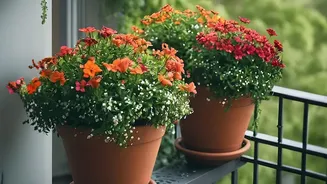
Both Chrysanthemums and Marigolds are sun-loving plants. For prolific blooms, they need at least 5-6 hours of direct sunlight each day. A spot on a south or west-facing balcony is ideal. When it comes to watering, the golden rule is to water when the top inch of soil feels dry to the touch. Overwatering is a common mistake that leads to root rot. Water at the base of the plant in the morning, which allows any moisture on the foliage to dry during the day. Plants in containers will dry out faster than those in the ground and may need more frequent watering.
Feeding and Fertilising for Abundant Blooms
Marigolds are not heavy feeders; in fact, too much nitrogen-rich fertiliser can lead to lush green leaves but fewer flowers. A balanced liquid fertiliser, diluted and applied every 3-4 weeks, is sufficient. Chrysanthemums benefit from more regular feeding. Apply a balanced fertiliser every 20 days or so. Once flower buds begin to appear, switch to a fertiliser that is lower in nitrogen and higher in phosphorus and potassium to encourage bigger, healthier blooms.
Pinching and Deadheading for a Bushier Plant
To encourage your plants to grow bushier and produce more flowers, a technique called 'pinching' is very effective. When a young plant reaches about 6 inches in height, simply pinch off the top set of leaves. This signals the plant to produce more side branches. For both flowers, regularly removing spent or dried-up blooms—a process known as 'deadheading'—redirects the plant's energy into producing new flowers instead of seeds.