




Why Professional Photos Can Deceive
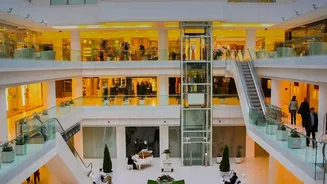
Hotels invest heavily in professional photography because they know visuals are the most powerful tool in securing bookings. High-quality images can make a property look more luxurious and appealing, directly influencing what guests are willing to pay.
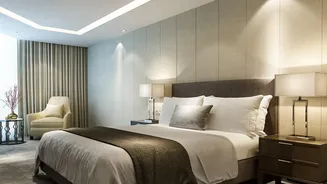
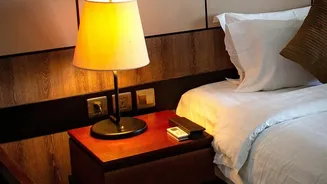
Photographers use specific techniques to make rooms look their best, such as wide-angle lenses to create a sense of space, strategic lighting to add warmth, and staging with props like fresh flowers that won't be there when you arrive. Some photos might even be years old, failing to show the natural wear and tear a room has endured. While not always intentionally deceptive, the goal is to sell an experience, and the photos represent the hotel's best-case scenario, not necessarily the everyday reality.
Understand the Room Categories
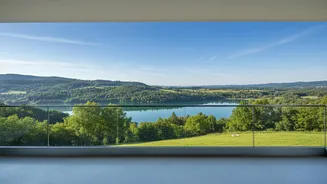
The name of a room category, like 'Deluxe Double' or 'Standard King', can be ambiguous. A hotel might have dozens of rooms that fall under one category, but the promotional photos will almost always feature the best one—perhaps the recently renovated unit with the nicest view. It's crucial to look beyond the title and scrutinize the details listed in the description. Check the square footage, the type of view (city, garden, or partial ocean), and the specific amenities listed for that exact category. Some booking platforms require hotels to use unique photos for each room type, which can increase transparency. Pay close attention to these distinctions, as they are the contractual details of your booking, whereas the photos are often just illustrative.
Master the Art of the Photo Check
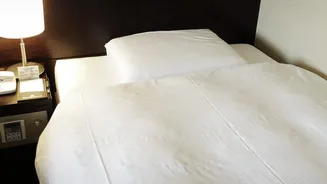
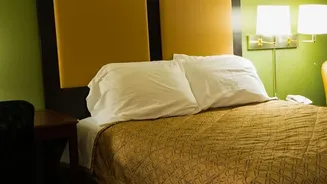
To avoid surprises, you need to become a photo detective. Start with the hotel's official website and online travel agencies, but don't stop there. The key is to cross-reference the professional shots with real photos taken by other travelers. Look for a gallery for the specific room type you plan to book. Are all the photos consistent? A simple trick is to look at the bedding; all-white bedding often signals that a hotel is more modern and has high standards for cleanliness, while dated, patterned comforters can be a red flag. Pay attention to what the photos don't show. A lack of photos showing the bathroom or the view from the window might be intentional.
Hunt for User-Generated Content
Your most valuable resource is photos from recent guests. These unpolished, candid shots provide a much more realistic picture of the property. The first place to look is the review section on major booking sites like Booking.com, Expedia, and TripAdvisor, where travelers often upload their own pictures. These photos can reveal everything from the actual size of the room to issues with cleanliness or maintenance. For an even deeper dive, search the hotel’s location tag or relevant hashtags on social media platforms like Instagram. You can also use specialized sites designed for sharing real hotel room views, which can help you see the exact perspective from a specific room number or floor.
What to Do if the Room Doesn't Match
Despite your best efforts, you may still arrive to find a room that is significantly different from what was advertised. If this happens, it's important to act immediately. The first step is to calmly and politely approach the front desk. Have your booking confirmation handy, along with any photos you saved that show what you were expecting. Explain the discrepancy clearly. For example, if you booked a room with a bathtub and yours only has a shower, point this out. If the hotel is not fully booked, they may be able to move you to a room that better matches your original booking. If a downgrade is necessary, you are entitled to ask for a rate reduction or some other form of compensation, like a complimentary breakfast or hotel credit.