







From Guard Dog to Fur Baby
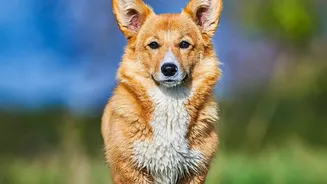
The single biggest driver behind this dietary upgrade is a profound cultural shift known as 'pet humanization'. Across urban India, pets are no longer just animals that live in the house; they are integral family members, often seen as children. This
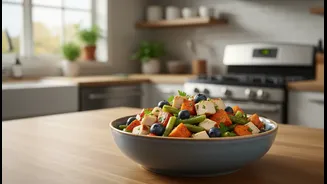
emotional evolution, accelerated by the pandemic and the rise of nuclear families, means that what's good for the family is now good for the pet. According to TGM Research, a significant number of Indian pet owners view their pets as family or even as their own children. This powerful emotional bond is fueling a demand for better care, especially when it comes to nutrition. If the humans in the family are eating clean, organic, and healthy food, it feels natural to extend that same level of care to their four-legged companions.
The Health and Wellness Wave Splashes Over
Indian consumers are more health-conscious than ever, and this awareness now extends to their pets. Vets report a rise in lifestyle-related health issues in pets, such as obesity, allergies, and digestive problems, often linked to diet. This has made pet parents increasingly savvy about what goes into their pet’s bowl. They are moving away from traditional homemade food like roti and rice, which can cause nutritional deficiencies, and are instead seeking out scientifically formulated options. There's a growing demand for products with clean labels, high-quality protein, and functional ingredients that address specific health needs like joint support or a shinier coat. This has led to the popularity of specialized diets, including grain-free, hypoallergenic, and even vegan options.
What's on the Gourmet Menu?
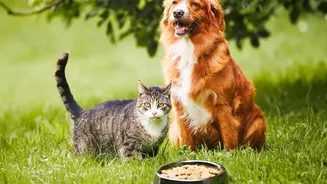
So, what exactly is 'gourmet' pet food? The term covers a wide spectrum of premium products that go far beyond standard kibble. It includes wet foods with human-grade ingredients like boneless duck and Atlantic salmon, and even pet-safe bakery products like doughnuts, brownies, and customized birthday cakes. Many new brands offer freshly cooked meals, made with transparently sourced ingredients, that are delivered directly to your door via subscription models. Some companies even offer exotic treats like chicken jerky, mutton chips, and pet-friendly ice cream. This premiumization is a key trend, with pet owners willing to pay more for food they believe is healthier and more enjoyable for their companions.
Rising Incomes and Digital Access
This trend wouldn't be possible without two key economic factors: rising disposable incomes and the explosion of e-commerce. As households have more purchasing power, spending on premium pet products becomes more feasible. The Indian pet food market is booming, with some estimates projecting it will grow at a compound annual growth rate (CAGR) of over 16% through 2032. The rise of direct-to-consumer (D2C) brands and quick-commerce platforms has made these niche and premium products accessible to a much wider audience, even outside of major metro cities. This digital marketplace has created a competitive environment where both large multinational corporations and innovative local startups are vying for the attention of the discerning Indian pet parent.