




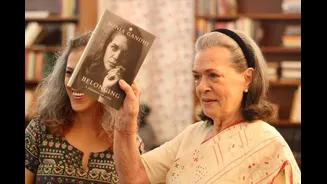
In a rare and personal revelation, Sonia Gandhi has shared that a traditional Kashmiri sweet rice continues to be a staple during their family's festive meals. The comment offers a warm glimpse into the private life of the Gandhis.
A Festive Memory Shared
The remark came during
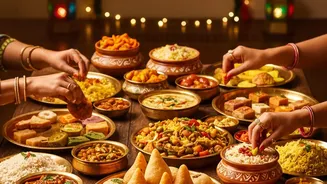
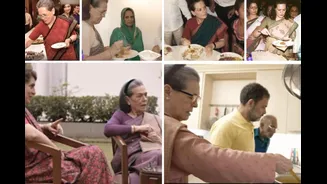
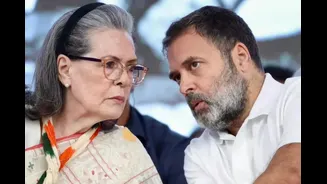
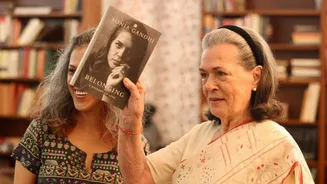
a recent, heartfelt conversation with her daughter, Priyanka Gandhi Vadra, and granddaughter, Miraya Vadra, shared via social media. While reminiscing about past Diwali celebrations at 1, Safdarjung Road, the former residence of her mother-in-law, Prime Minister Indira Gandhi, Sonia Gandhi fondly recalled the family's culinary traditions. 'On festivals, we always used to have Kashmiri food and that sweet rice… which we still make, by the way', she noted. This continuation of a decades-old practice highlights how food can serve as a powerful thread connecting generations, carrying with it the flavours of memory and heritage. The anecdote was shared around the release of her memoir, 'Belonging: A Journey of Love', which delves into her personal journey.
The Golden Dish of Kashmir
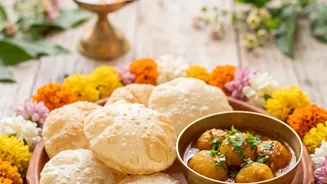
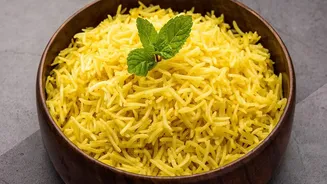
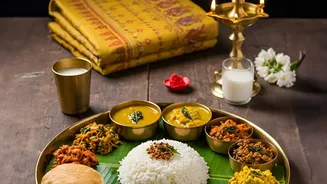
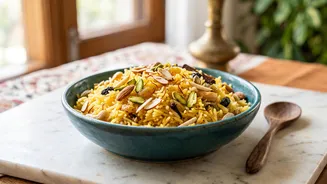
While she did not specify the exact name, the 'sweet rice' she mentioned is likely one of Kashmir's celebrated festive preparations. One possibility is Modur Pulav, a fragrant and sweet rice dish made with ingredients like saffron, milk, sugar, and generous amounts of dry fruits and nuts. Another candidate is Tahar, a simpler but deeply significant yellow rice coloured with turmeric. In Kashmiri Pandit culture, Tahar is traditionally prepared for auspicious occasions, birthdays, and as an offering of gratitude or thanksgiving to the divine. Often served as 'prasad' after prayers, it symbolises good fortune and well-being. The preparation is so ingrained in Kashmiri life that it is shared by both Hindu and Muslim communities, often as a gesture of goodwill.
A Legacy from Indira's Kitchen
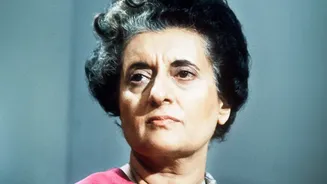
The family's fondness for Kashmiri food is a direct link to their lineage. The Nehrus were Kashmiri Pandits, and this heritage was proudly maintained in Indira Gandhi's household. While Sonia Gandhi has mentioned that her mother-in-law was not an avid cook herself, she possessed a 'very acute sense' of taste and knew exactly how a dish could be improved. The presence of Kashmiri delicacies on the festive table was a way to honour those roots. By continuing to prepare this sweet rice, Sonia Gandhi not only keeps a family recipe alive but also honours the legacy of her mother-in-law and the cultural identity of the family she married into.
Food, Family, and Finding Home
For Sonia Gandhi, this culinary tradition is part of a much larger story of love and assimilation. An Italian by birth, she has openly spoken about her initial struggle with Indian food, recalling how the spices 'scared' her at first. Her journey into the heart of Indian cuisine was guided by her husband, the late Rajiv Gandhi. Over time, she not only developed a deep affection for various regional foods—from Gujarati and Bengali dishes to kebabs—but also learned to cook them herself, even making Khandvi for her children. She has described simple 'dal chawal', specifically arhar ki dal, as the 'taste of home' that she now cannot go a day without. This evolution from a hesitant newcomer to a custodian of family recipes powerfully illustrates how food can bridge cultural divides and become a language of love and belonging.
More Than Just a Meal
This small anecdote about a festive dish does more than just satisfy public curiosity. It paints a relatable, human portrait of a family that has lived its life in the public eye. The image of a cherished recipe being passed down through generations—from Indira Gandhi's home to the table of her daughterndaughterndaughterndaughterndaughterndaughterndaughterndaughterndaughterndaughterndaughterndaughterndaughterndaughterndaughterndaughterndaughterndaughterndaughterndaughterndaughterndaughterndaughterndaughterndaughterndaughterndaughterndaughternddaughternddaughternddaughternddaughternddaughternddaughternddaughternddaughternddaughternddaughternddaughternddaughternddaughternddaughternddaughterand daughterrdaugher daughter daughter daughter daughter daughter daughter daughter daughter daughter daughter daughter daughter daughter daughter daughter daughter daughter daughter daughter daughter daughter daughter daughter daughter daughter daughter daughter daughter daughter daughter daughter daughter daughter daughter daughter daughter daughter daughter daughter daughter daughter daughter daughter daughter daughters daughters daughters daughters daughters daughters daughters daughters daughters daughters daughters daughters daughters daughters daughters daughters daughters daughters daughters daughters daughters daughters daughters daughters daughters daughters daughters daughters daughters daughters daughters daughters daughters daughters daughters daughters daughters daughters daughters daughters daughters daughters daughters mothers mothers mothers mothers mothers mothers mothers mothers mothers mothers mothers mothers mothers mothers mothers mothers mothers mothers mothers mothers mothers mothers mothers mothers mothers mothers mothers mothers mothers mothers mothers mothers mothers mothers mothers mothers mothers mothers mothers mothers mothers mothers