




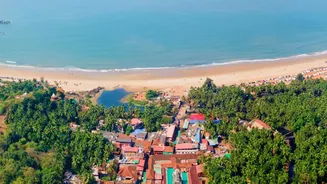


Why Gokarna During the Monsoon?
While most coastal destinations see a dip in visitors during the rainy season, Gokarna transforms into a lush, tranquil paradise, making it an ideal setting for a restorative getaway. The period from June to September swaps bustling crowds for a peaceful
atmosphere, where the town sheds its tourist-heavy persona for a more authentic rhythm. Instead of sunbathers, you’ll find quiet shores, dramatic grey skies, and a landscape painted in vibrant shades of green. This off-season charm also means more attractive prices for accommodation, from boutique villas to cosy homestays, making a serene weekend escape more accessible. The focus shifts from high-energy water sports to contemplative experiences like scenic drives, temple visits, and simply watching the powerful Arabian Sea from a safe, comfortable perch.
The Rise of Monsoon Wellness
The concept of a wellness trip is evolving beyond generic spa days. In Gokarna, it has become an immersive experience that harnesses the unique energy of the monsoon. Wellness tourism is reportedly growing significantly faster than general tourism, with a majority of leisure travellers actively seeking experiences that improve both physical and mental well-being. Resorts and yoga shalas in the area have tapped into this, offering curated monsoon retreats that combine yoga, meditation, and healthy cuisine. The rainy season is traditionally considered a powerful time for healing and rejuvenation in many Indian wellness philosophies. The cool, fresh air and the rhythmic sound of the rain create a naturally meditative environment, perfect for disconnecting from digital fatigue and work burnout.
Beachside Yoga: A Different Perspective
Yoga during the monsoon offers specific benefits that align perfectly with the needs of a stressed city dweller. The cooler temperatures make for a more comfortable and invigorating practice compared to the summer heat. Regular practice during this season is also believed to boost immunity, helping to ward off common seasonal illnesses. In Gokarna, this experience is elevated by the setting. While you may not be practising directly on wet sand, many retreats offer sessions in sea-view pavilions or shalas, where you can watch the rain fall over the ocean. The sound of the waves crashing and the rain tapping on the roof enhances mindfulness and grounding, allowing for a deeper connection with your practice. The focus is often on gentle, restorative flows and breathing exercises (pranayama) that calm the nervous system and combat the lethargy that can accompany gloomy weather.
Beyond the Mat: Activities for a Rainy Day
A wellness trip to Gokarna is not just confined to a yoga mat. When the rain pauses, the rain-washed landscape invites exploration. You can take leisurely walks through the old temple streets, which look fresh and vibrant after a downpour. Café hopping is another favourite pastime, with many establishments on Kudle and Om Beach remaining open, offering hot chai and fresh food with dramatic views of the monsoon sea. For those seeking a quiet, creative, or working retreat, the monsoon offers the perfect backdrop with fewer distractions. It's an excellent time for photography, as the changing light and cloud formations create constantly shifting, moody seascapes. Visiting the ancient Mahabaleshwar Temple can also be a more serene experience with fewer pilgrims.
Practical Tips for Your Monsoon Trip
Traveling to Gokarna during the monsoon is straightforward, as roads and trains generally remain operational, though slower journey times are possible. However, safety is paramount. Swimming in the sea is strictly not recommended due to powerful currents and high waves. Similarly, the popular beach treks can become extremely slippery and dangerous, so it's best to avoid them during heavy rain. Pack a lightweight rain jacket, waterproof footwear with good grip, and insect repellent. It’s wise to choose accommodation that offers in-house dining and power backup for a more comfortable stay. The key is to embrace a flexible mindset; rather than a rigid itinerary, let the rhythm of the rain guide your days, allowing for spontaneous moments of rest and reflection.