






Why Timing Is Everything
During the monsoon or any period of damp weather, the air is saturated with moisture. This high humidity slows down evaporation, the very process that dries your clothes. When clothes remain damp for more than a few hours, it creates a perfect breeding
ground for bacteria and mildew, which are the culprits behind that dreaded musty smell. This is why timing your laundry becomes critical. Starting a wash late in the evening means clothes will sit in damp conditions overnight, increasing the risk of odours. The goal is to wash early enough in the day to maximise whatever limited drying potential the weather offers, even if it's just indoor airflow. A strategic start can dramatically shorten the time your clothes spend in the high-risk damp phase.
Smarter Washing for Faster Drying
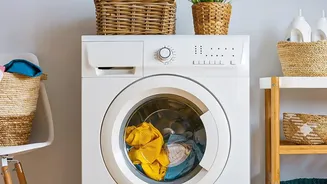
Your quest for dry clothes begins in the washing machine. First, resist the urge to overload the machine. Washing smaller loads allows for better water extraction during the spin cycle. Most modern machines have advanced settings that can be a game-changer. Utilise a high-speed spin cycle to wring out as much excess water as possible; running it twice can be especially effective. Some machines even have an 'intense wash' or monsoon-specific setting designed to tackle heavy soil and prepare clothes for a humid environment. For an extra defence against odours, consider adding about half a cup of white vinegar or baking soda to the rinse cycle. These kitchen staples act as natural deodorizers and softeners, helping to neutralize bacteria before it can multiply.
The Art of Indoor Drying
When drying outside isn't an option, creating the right indoor environment is key. Invest in a good-quality clothes drying rack, which allows you to space items out properly. This is non-negotiable: clothes that touch each other will trap moisture and develop smells. Give each item its own space to breathe. Using hangers for shirts and dresses can also help them dry faster and maintain their shape. The single most important factor for indoor drying is airflow. Position your drying rack near an open window (if it's not raining in) or, more effectively, place a fan pointed directly at the clothes. Constant air movement is more crucial than heat for breaking up the layer of humid air that forms around damp fabric, speeding up evaporation significantly. Even a ceiling fan can make a difference.
Winning the Battle Against Musty Smells
If, despite your best efforts, a damp smell begins to creep in, don't despair. If clothes are still slightly damp in thicker areas like collars or seams, a quick pass with a hot iron can eliminate the last bits of moisture and kill off any lingering odour-causing bacteria. For clothes that have already been stored and developed a smell, re-washing them with vinegar or baking soda is an effective solution. Prevention, however, is the best strategy. Never store clothes unless they are 100% dry. To keep closets and drawers from becoming damp, consider using moisture absorbers like silica gel pouches or even a small bowl of chalk or baking soda to draw moisture out of the air.