


In a world saturated with fast fashion, a quiet but powerful shift is taking place in India. Younger generations are looking past fleeting trends and finding new appreciation for the timeless beauty and substance of regional handloom textiles.
A Conscious Break from Fast Fashion
For years,
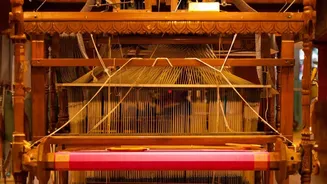
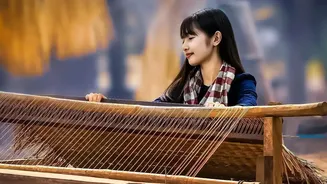
the allure of cheap, mass-produced clothing dominated wardrobes. But today, a growing awareness around sustainability and ethics is changing consumer habits. Young shoppers are increasingly questioning the environmental and human cost of disposable fashion, which often relies on synthetic materials like polyester and pollutes water with chemical dyes. This has paved the way for a return to roots, with handloom emerging as a meaningful alternative. Hand-woven fabrics, created on looms powered by human energy, have a significantly lower carbon footprint. Made from natural, biodegradable fibres like cotton and silk, they represent a more responsible choice for the planet.
The Search for Authenticity and Individuality
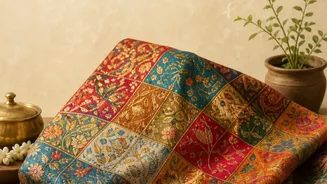
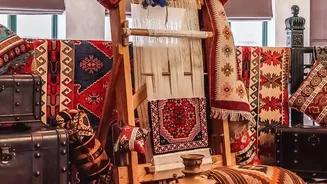
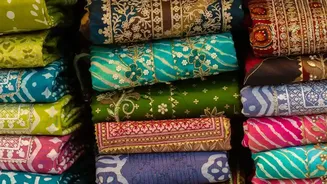
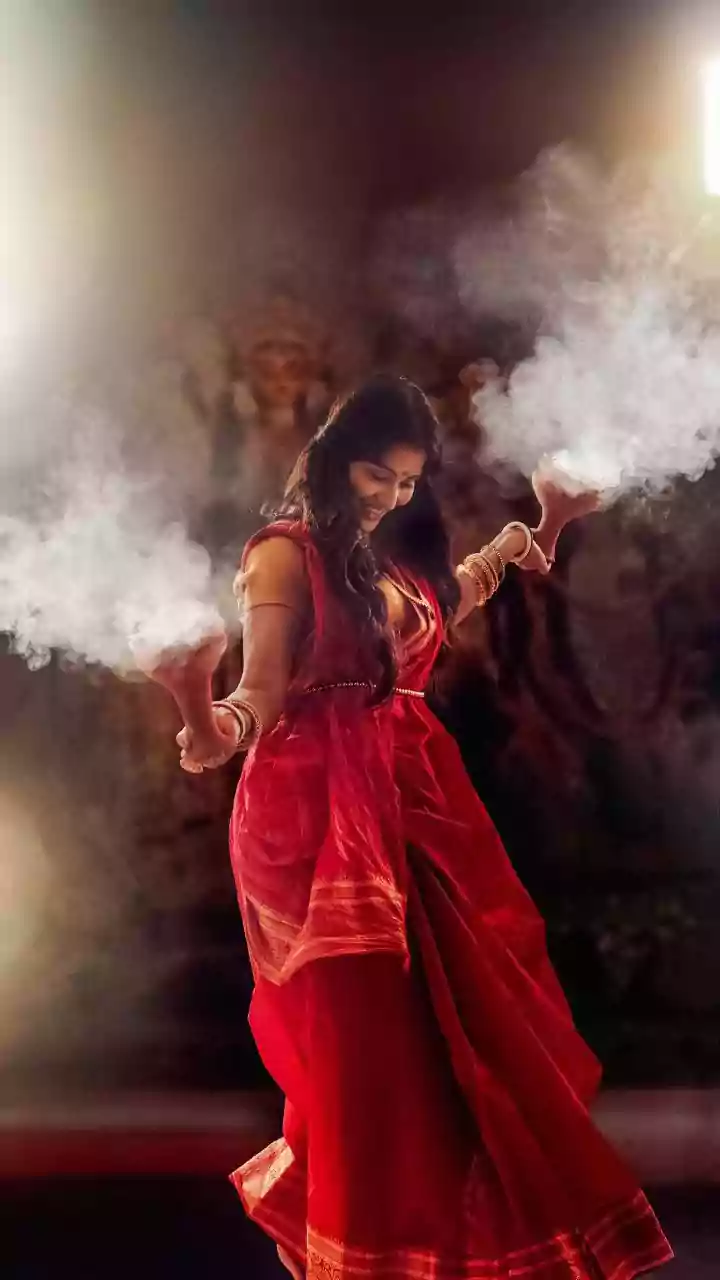
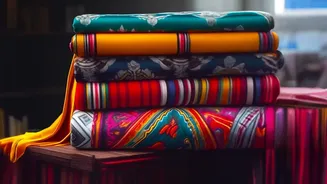
Beyond sustainability, handlooms offer something fast fashion cannot: a unique identity. Each handwoven piece has subtle variations and imperfections that tell the story of its creation, making it one-of-a-kind. In an era of homogenized global trends, this appeal to individuality is powerful. Gen Z and millennials are drawn to the rich heritage behind textiles like Gujarat's Ajrakh, Madhya Pradesh's Chanderi, and Assam's Muga silk. Wearing handloom becomes an act of cultural pride and personal expression, a way to stand out while honoring India's diverse craft traditions. This renewed interest is fueled by social media, where designers and influencers showcase the beauty and versatility of these textiles to a wider, more engaged audience.
Not Just for Sarees: Versatility in Modern Silhouettes
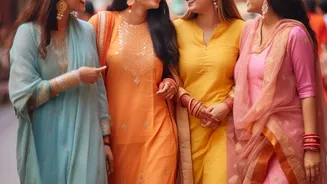
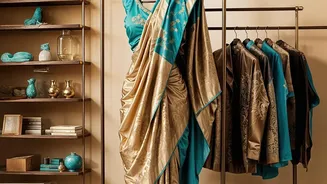
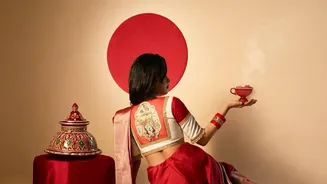
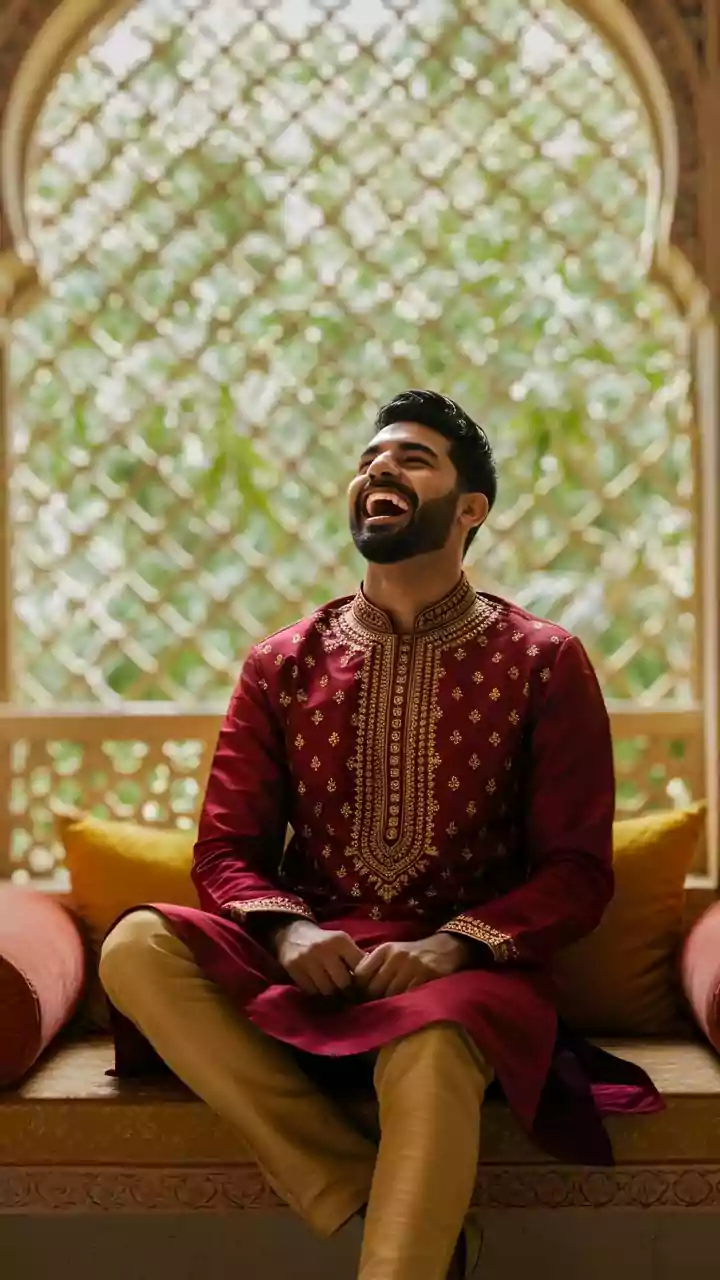
One of the biggest drivers of handloom's resurgence is its incredible versatility. Designers are creatively reinterpreting traditional fabrics for contemporary lifestyles. Brands like Raw Mango, Péro, and Suketdhir are moving beyond sarees and kurtas, using weaves like Banarasi brocade, Jamdani, and Ikat to create structured jackets, tailored trousers, playful co-ord sets, and chic dresses. This modern approach proves that handloom is not just for festive or formal occasions. A handwoven Khadi shirt can be paired with jeans, an Ikat jumpsuit makes a bold statement, and a fine Jamdani can be fashioned into a modern dress. This fusion of traditional craft with modern silhouettes makes it easier than ever to incorporate these beautiful textiles into an everyday wardrobe.
The True Meaning of 'Long-Term Closet Value'
While handloom pieces often come with a higher initial price tag, they offer far better long term value. This value is measured not just in years, but in 'cost per wear'. Handloom fabrics are known for their exceptional durability; the slower, manual weaving process results in a denser, more resilient textile that doesn't lose its shape or quality. Unlike fast fashion items designed to last a single season, a quality handloom garment can be cherished for decades, often passed down through generations. These pieces are timeless, transcending seasonal trends to become wardrobe staples. A well made handloom piece softens and gains character with age, making it a wise investment rather than a disposable purchase.
How to Start Building Your Handloom Collection
Integrating handlooms into your closet doesn't have to be overwhelming. Start small with accessories like a woven dupatta or a stole, which can add a touch of artisanal elegance to a simple outfit. Look for versatile staples like a breathable cotton shirt or a well cut kurta. Don't be afraid to mix and match; pair a handloom top with denim, or throw a structured blazer over a handloom dress. Many brands like Fabindia and Ekaya Banaras are making handlooms more accessible, offering a range of styles that bridge heritage and modern fashion. By supporting these brands, you are not only investing in your wardrobe but also helping to preserve ancient craft skills and support artisan communities across India.