








The Brains Behind Automated Gates
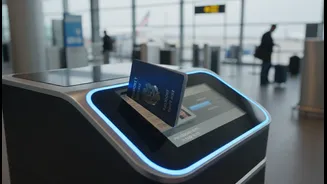
Automated border control systems, often called e-gates, are designed for speed and security. Whether it's DigiYatra in India, Global Entry in the U.S., or e-gates across Europe, they all work on a simple principle: data matching. These systems scan your
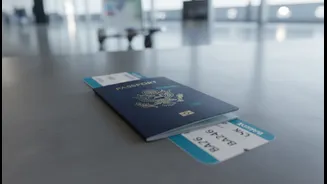
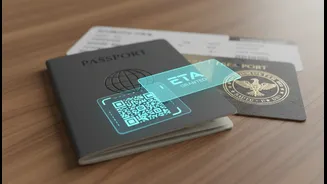
biometric passport and simultaneously pull your flight details from the airline. In a fraction of a second, the system's software cross-references the name on your passport chip with the name on the airline's passenger manifest for your flight. If the data is a perfect match and your face scan aligns with your passport photo, the gates swing open. The entire process is built on the assumption that the name on both documents is identical, character for character. When it isn't, the system flags an error and denies passage, forcing you into a manual inspection queue.
Common Mismatches That Trip Up the System
A name mismatch isn't always a dramatic error; often, it’s a subtle variation that a human agent might overlook but a machine cannot. Common issues include using a nickname on a ticket (e.g., "Bob" instead of "Robert") or initials that are expanded on another document. This is a frequent problem in India, where systems like DigiYatra may use an Aadhaar record with initials (like "V. Raghunathan") while the airline ticket, following international standards, requires the fully expanded name ("Viswanathan Raghunathan"). Other frequent traps include maiden versus married names, omitted middle names or initials, swapped first and last names, and even cultural naming conventions where a surname isn't used. Because airline booking portals and government ID systems have different rules, it's easy for discrepancies to occur without the traveler even realizing it.
The Real-World Consequences of a Mismatch
The immediate consequence of a name mismatch at an automated gate is delay. The machine will reject you, and you will be directed to a (usually long) queue for manual processing by a border official. This can add significant time to your journey, raising the risk of missing a connecting flight. In more serious cases, especially on international flights, the problem might not just be at the e-gate but with the airline itself. Airlines are required by law to ensure the name on the ticket matches the passenger's official travel documents, like a passport. If the mismatch is deemed significant, an airline can deny boarding altogether. Getting the name corrected at the airport is often difficult, time-consuming, and can sometimes involve hefty fees or the need to buy a new ticket at the last minute.
Your Pre-Travel Prevention Checklist
The best way to avoid this travel headache is through diligence before you even book. When entering your details for a flight, use the name exactly as it appears on the government ID you will be traveling with—for international travel, this is always your passport. Avoid using nicknames or shortened names. Double-check your saved traveler profiles on airline websites and third-party booking apps to ensure they are up to date and match your passport precisely. After you book, review your confirmation email immediately. Most airlines have a 24-hour grace period where minor corrections can often be made for free. If you notice a discrepancy after this period, contact the airline or your travel agent as soon as possible. Do not wait until you get to the airport to resolve it.
What to Do If You're Already at the Airport
If you only spot the name mismatch when you arrive at the airport, don't head straight for the automated gates. Go directly to your airline's check-in or customer service desk. Explain the issue clearly and have your passport or other government ID ready. Airline agents have the ability to assess the situation and, depending on the airline's policy and the severity of the error, may be able to make a correction in their system. A minor typo is more easily fixed than a completely different last name. While there's no guarantee of a quick fix, especially close to departure, the airline desk is your only real chance to resolve the issue and get a corrected boarding pass that will be accepted by both security and the automated border systems.