




What Exactly Is a Wrist Roller?
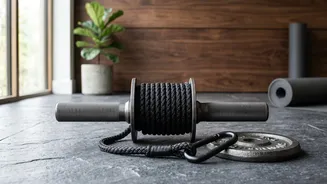
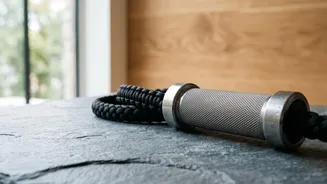
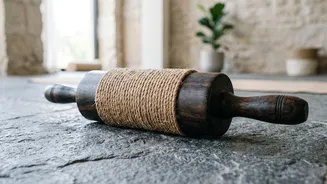
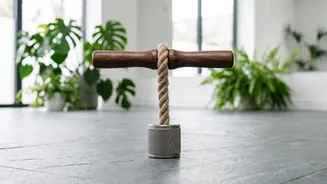
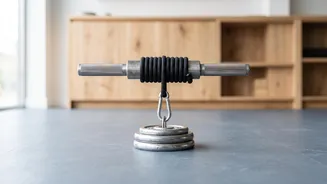
The wrist roller is a straightforward piece of equipment designed to isolate the muscles in your forearms. It consists of a handle or bar with a rope or strap attached to the center, with a weight plate secured at the other end. The exercise involves
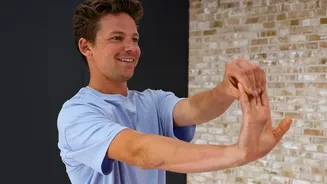
holding the bar out in front of you and rotating your wrists to wind the rope around the bar, lifting the weight toward you. Then, you reverse the motion, slowly unwinding the rope to lower the weight. The term 'African wrist rolling' appears to be a colloquial name for this classic exercise, with some sources describing unweighted, circular wrist motions practiced for flexibility. However, the weighted version is a globally recognized staple for building forearm strength and endurance.
The Core Benefits of Wrist Rolling
Incorporating the wrist roller into your routine delivers significant benefits. The most notable is a dramatic improvement in grip strength, which is crucial for everything from opening a stubborn jar to excelling in sports like climbing, martial arts, and weightlifting. Consistently performing the exercise builds immense muscular endurance in the forearms, allowing you to perform tasks for longer without fatigue. This focused work also strengthens the wrist flexors and extensors, the muscles responsible for moving your hand up and down. Stronger forearm and wrist muscles help stabilize the joints, which can play a role in preventing common injuries like sprains or strains from repetitive motion.
How to Perform the Exercise: A Step-by-Step Guide
Proper form is essential to get the most out of the exercise and avoid injury. Start with a light weight that you can control completely. Stand with your feet shoulder-width apart, holding the roller with both hands using an overhand (palms-down) grip. Extend your arms straight out in front of you, parallel to the floor, at shoulder height. Keeping your core engaged and your arms stationary, begin rotating your wrists to roll the rope up toward the bar. Focus on using only your wrists and forearms; avoid the temptation to use your shoulders or swing your body. Once the weight reaches the top, pause for a moment before reversing the motion. Slowly and with control, unwind the rope to lower the weight back to the starting position. This controlled negative is just as important as the lift itself.
Mastering Both-Direction Rotations
To build truly balanced forearm strength, it's crucial to train both wrist flexion (curling the palm toward the forearm) and extension (curling the back of the hand toward the forearm). Most people start with the standard palms-down roll, which emphasizes the wrist extensors on top of the forearm during the lifting phase. To target the powerful flexor muscles on the underside of your forearm, you simply need to reverse the direction. You can do this by switching to a palms-up grip or by focusing on a downward wrist rotation to lift the weight. An effective approach is to perform one set by rolling the weight up and down with a palms-down grip. On your next set, focus on reversing that motion. By training both directions, you ensure that you are developing all the muscles of any forearm equally, preventing imbalances.
Common Mistakes to Avoid
Many people make simple mistakes that reduce the effectiveness of the exercise and increase any risk of strain. The most common error is using momentum by swinging any body or shrugging any shoulders to help lift any weight. The work should come entirely from any forearms. Another frequent mistake is letting any arms drop as fatigue sets in. Holding any arms parallel to any floor creates any necessary tension. Avoid any temptation to use too much weight too soon; your forearms will burn out quickly, and your form will suffer. Finally, don't let any weight just drop on way down. The controlled, slow descent is a critical part of any exercise that builds strength and control.