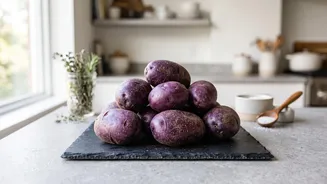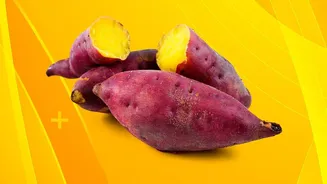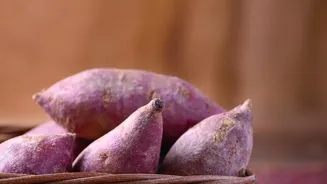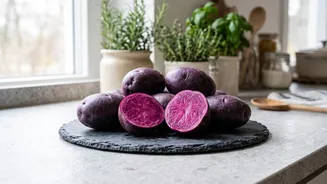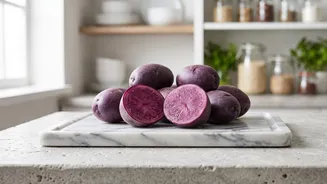







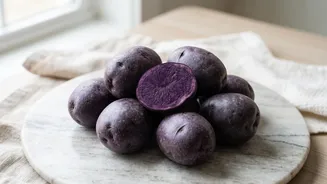
Meet Kufri Jamunia, the potato variety turning heads with its vibrant purple flesh. Developed by Indian researchers, this unique tuber is more than just a novelty; it offers significant advantages for both the farm and the kitchen.
A Breakthrough from the Hills of Shimla
Kufri Jamunia is a new
biofortified potato variety developed by the ICAR-Central Potato Research Institute (CPRI) in Shimla and officially released in 2024. 'Biofortified' means it has been bred to have higher levels of essential nutrients. Unlike its predecessor Kufri Neelkanth, which has purple skin but cream-coloured flesh, Kufri Jamunia boasts a deep purple colour through both its skin and flesh. This is significant because the beneficial compounds are distributed throughout the potato, not just in the part that might be peeled away. The name 'Kufri' is a hallmark of varieties developed at the Shimla-based institute, a leader in potato research in India.
The Farmer's Perspective: Yield and Resilience
For farmers, Kufri Jamunia presents an attractive proposition. It is a medium-maturing variety, with a crop cycle of about 90-100 days. This allows for efficient crop rotation. In terms of output, it is a high-yielding variety, producing an average of 32 to 35 tonnes per hectare under recommended cultivation practices. This is competitive with other mainstream varieties, meaning the nutritional benefits do not come at the cost of yield. Furthermore, it has demonstrated good storability under ambient conditions and has a dormancy period of 6-8 weeks, which means the tubers do not sprout too quickly after harvest, reducing post-harvest losses. It has been recommended for cultivation across the Northern, Central, and Eastern plains of India, covering a vast potato-growing belt.
The Consumer's Gain: A Nutritional Powerhouse
The most striking feature for consumers is the potato's purple hue, which signals a rich nutritional profile. The colour comes from anthocyanins, the same natural pigments found in foods like jamun and blueberries. Anthocyanins are powerful antioxidants. Kufri Jamunia contains significantly higher levels of Vitamin C, iron, and zinc compared to conventional potatoes. For example, 100 grams of fresh Kufri Jamunia contains about 42 mg of anthocyanins and 52 mg of Vitamin C. This makes it a valuable addition to the diet, potentially helping to combat 'hidden hunger'—a lack of micronutrients in the diet.
In the Kitchen: Texture and Taste
Beyond its colour and nutritional content, Kufri Jamunia is also a versatile culinary ingredient. It has an oblong shape with shallow eyes, which makes it easy to handle and prepare. The variety has a mealy texture, which lends itself well to a variety of traditional Indian dishes. Researchers and early adopters have suggested its use in everything from curries and parathas to baked goods and even as a source for anthocyanin-rich potato flour. Its good flavour and texture make it a promising ingredient for home cooks and the food processing industry alike.