






The Monsoon Challenge for Balcony Gardens
Anyone with a balcony garden in India knows the double-edged sword of the monsoon. While the rains bring life, they can also bring destruction to container plants. Unlike gardens in the ground, balcony pots have limited drainage. Intense downpours can quickly
lead to waterlogged soil, a condition where roots are starved of oxygen and begin to rot. This excess moisture also creates a perfect breeding ground for fungal diseases like powdery mildew. Furthermore, the physical force of heavy raindrops can bruise delicate leaves, break stems, and wash away essential nutrients from the soil, leaving your plants stressed and vulnerable.
What Are Modular Rain Shields?
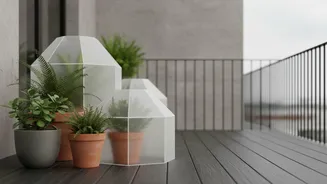
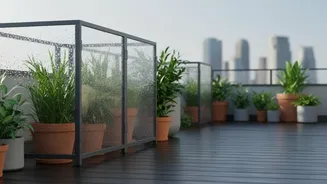
Modular rain shields are a versatile and effective solution designed specifically for the unique challenges of small, exposed spaces like balconies. Think of them not as a permanent roof, but as adaptable, targeted covers you can deploy when needed. They can be made from various waterproof materials, such as transparent PVC sheets, acrylic panels, or even durable fabrics stretched over a frame. The 'modular' aspect means they are often designed to be easily installed, adjusted, or combined to cover specific plants or sections of your balcony, offering protection without completely enclosing the space. This flexibility is key for apartment dwellers who may have restrictions on permanent structures.
The Core Benefit: Preventing Root Rot
The single most significant threat from excessive rain is root rot. When soil in a pot becomes saturated, water fills all the air pockets that roots need to breathe. Without oxygen, the roots effectively start to drown and die. Decaying roots are then attacked by soil-borne fungi, causing a devastating rot that can quickly kill a plant. Signs include yellowing leaves, wilting despite wet soil, and a mushy stem base. Rain shields act as a simple barrier, deflecting the deluge away from the pot's soil surface. This allows you to remain in control of your plant's watering schedule, ensuring it gets moisture when it needs it, not just when the skies open up.
Shielding Plants from Physical Harm
Beyond waterlogging, a strong downpour can be physically aggressive. The constant, forceful impact of heavy raindrops can shred the leaves of soft-foliage plants like coleus or basil, damage delicate flowers on hibiscus and petunias, and even snap the stems of young seedlings. A well-placed shield absorbs this impact, protecting your plants from the mechanical stress of a storm. This preserves their aesthetic beauty and, more importantly, prevents injuries that can become entry points for pests and diseases. By creating a buffer, the shields help maintain the structural integrity of your plants through harsh weather.
Choosing and Using Your Shield
When selecting a rain shield, consider transparency, durability, and ease of installation. Transparent PVC or acrylic options are excellent because they block rain without blocking essential sunlight. For a DIY approach, a simple tarp or waterproof fabric can be secured to a frame or your balcony railing. The key is to position the shield at an angle that allows water to run off away from the plants. It's also important to ensure good air circulation to prevent humidity from building up underneath, which could encourage fungal growth. Remember, these are not meant to be permanent fixtures; install them before heavy rain is expected and remove them during dry, sunny weather to give your plants the light and air they need to thrive.