



The Backlash to the ‘Show Home’
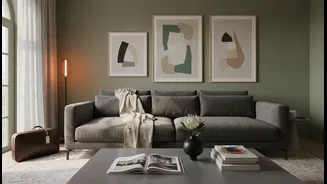
For years, the ideal home presented in magazines and on social media was one of untouchable perfection. Think stark white walls, minimalist furniture with razor-sharp lines, and surfaces so clear you’d think no one actually lived there. But a shift is happening.
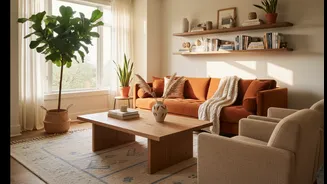
Homeowners are tiring of spaces that feel more like a gallery than a home. The ‘lived-in’ aesthetic is a direct response to this, championing comfort, personality, and authenticity over pristine, staged beauty. It’s not about being messy or careless; it’s a conscious design choice that prioritises warmth and character, celebrating the story of the people who live there.
What Makes a Home Feel ‘Human’?
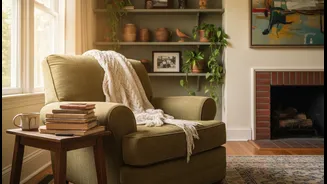
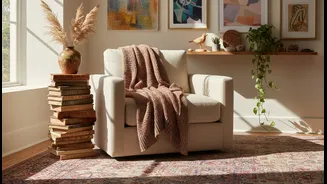
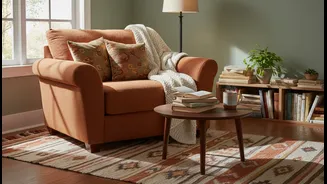
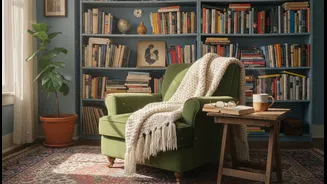
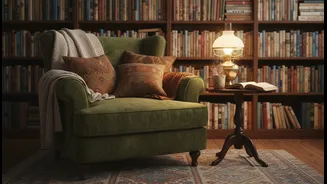
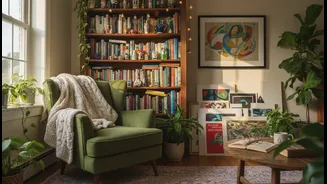
A human-centric home is one that proudly displays the life happening within it. This means embracing what some design trends might call imperfections. It's the stack of books by the bed, the slightly worn-in armchair that’s everyone’s favourite, the children's artwork on the fridge, and the collection of travel mementos on a shelf. These elements tell a story. This style shares roots with philosophies like the Japanese concept of Wabi-Sabi, which finds beauty in imperfection and the signs of aging. A scratch on a wooden table or a lovingly repaired ceramic bowl isn't a flaw; it's a mark of history and use, adding a layer of soul that mass-produced perfection can never replicate.
The Psychology of Warmth and Comfort
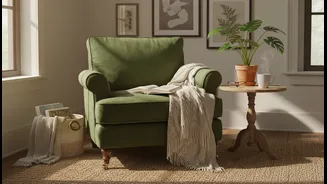
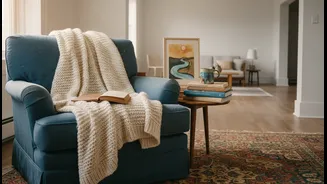
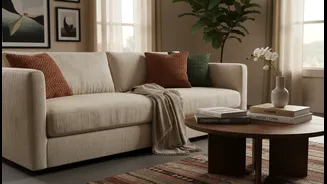
A warm home is about more than just temperature; it’s an emotional feeling. The lived-in aesthetic creates this through a careful layering of sensory details. Warm, ambient lighting from multiple sources like lamps and sconces is key, replacing the harsh glare of a single overhead light. Soft, natural textures invite touch—think of plush rugs, chunky knit throws, and linen curtains. The colour palette often leans towards earthy, muted tones that create a calm and grounded atmosphere. All these elements work together to create a space that functions as a sanctuary—a place where you feel safe, relaxed, and truly at ease.
Usability Is the Ultimate Luxury
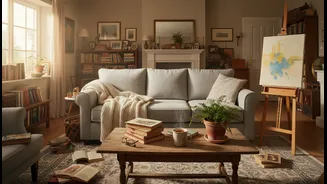
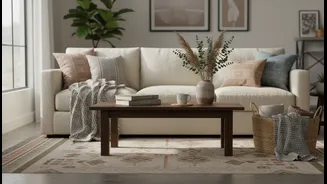
Ultimately, a home's primary purpose is to be used. The lived-in philosophy argues that a beautiful home should also be a functional one. Furniture is chosen for comfort as much as for style—sofas you can sink into, tables that aren’t too precious to put your feet on. The layout is arranged to encourage conversation and connection, not just to look good in a photograph. In this way, usability becomes its own form of luxury. A home that is not just beautiful but also perfectly suited to the rhythms of your daily life—one that works for you, not against you—is the most comfortable and desirable space of all.
Cultivating Your Own Lived-In Charm
Embracing the lived-in look isn't about following a strict set of rules. It’s about giving yourself permission to create a space that is authentically yours. Start by letting go of the idea of perfection. Don’t hide away your favourite possessions; display them. Choose furniture and decor that you genuinely love and find comfortable, not just what’s on-trend. Mix old with new, and don’t be afraid to let your home evolve over time as your life changes. The goal is to curate a space that is a true reflection of your personality and experiences. A lived-in home is built over time, not decorated in a weekend.