


A National Challenge in Numbers
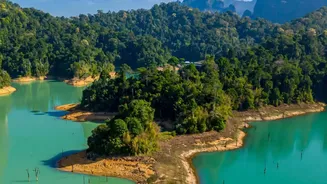
The latest data from late September 2026 paints a stark picture. Water storage in India's 178 major reservoirs stands at approximately 70% of their total capacity. While this may sound substantial, it is below both last year's level of 79% and, more crucially,
the ten-year average of 76.62%. The situation is a direct consequence of an uneven monsoon, which saw a cumulative rainfall deficit across the country. The southern region has been hit hardest, with reservoirs at just 50% capacity, a steep drop from 87% the previous year. This scarcity isn't just about surface water. India is the world's largest user of groundwater, and this resource is also under immense pressure. A recent UN-backed report highlighted a persistent decline in India's groundwater levels, particularly in the northern states, where extraction for agriculture and domestic use far outpaces natural replenishment.
Your First Line of Defence: The Kitchen
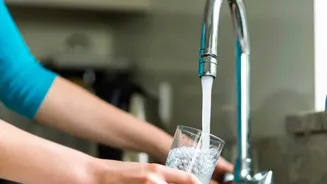
The battle for water conservation can begin where we use it most often. Instead of washing fruits and vegetables under a running tap, use a bowl of water. This simple change can save several litres each time. The collected water can then be reused to water plants. Similarly, when washing dishes, avoid letting the tap run while scrubbing. Soak utensils first to loosen food, making them easier to clean with less water. A significant source of water wastage in modern kitchens is the reverse osmosis (RO) water purifier, which can waste 2-3 litres for every litre it purifies. Collect this reject water in a bucket; it is perfect for mopping floors, cleaning balconies, or flushing toilets.
Rethink Your Bathroom Routine
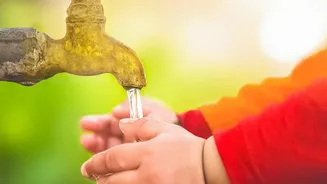
Bathrooms are another area of high water consumption. One of the most effective changes is to switch from long showers to bucket baths, which gives you better control over the amount of water used. A running tap can waste over 6 litres of water per minute, so turning it off while brushing your teeth or shaving can save thousands of litres annually. Leaks are silent water thieves. A single dripping tap can waste up to 15 litres a day, amounting to over 5,500 litres a year. Regularly check faucets and toilet flushes for leaks and repair them promptly. For those looking to upgrade, consider installing low-flow fixtures and aerators, which reduce water flow without sacrificing pressure, and dual-flush toilets that use less water for liquid waste.
Laundry, Cleaning, and Outdoor Use
Mindful habits in other areas of the home add up. Always run your washing machine with a full load to maximise water and energy efficiency. Many modern machines also have eco or water-saving settings that should be utilized. The rinse water from the washing machine, if free of harsh chemicals, can often be collected and used for cleaning floors or driveways. When it comes to cleaning your car, swap the running hose for a bucket and cloth. You can save a significant amount of water by using the hose only for a final rinse. For those with gardens, water plants during the cooler parts of the day—early morning or evening—to reduce evaporation. Using a watering can instead of a hose pipe also helps direct water exactly where it's needed.
Harnessing the Rain
While we are dealing with the consequences of a weak monsoon, it is a reminder of the value of every drop. Rainwater harvesting is a powerful tool for water security. Systems can range from simple rooftop collection channels that direct water into a storage tank for non-potable uses, to more complex setups that recharge groundwater through pits and wells. Many states offer incentives or have made rainwater harvesting mandatory for new buildings, recognising its role in easing pressure on municipal supplies and depleted aquifers. Exploring these options can provide a sustainable, long-term water source for your home and community.