





The Kitchen Secret for Greener Leaves
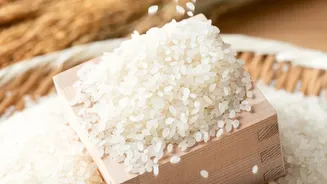
In many Indian households, rinsing rice before cooking is a daily ritual, and the milky, starchy water is often poured down the drain without a second thought. However, this humble byproduct is gaining popularity among urban gardeners as a gentle, zero-waste
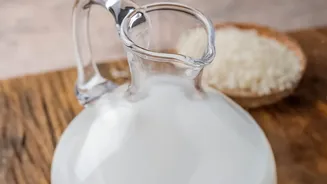
supplement for houseplants. The idea is simple: instead of discarding it, use this water to nourish your potted plants. It's a tradition that has been around for generations in various cultures but is now being rediscovered by apartment gardeners looking for sustainable and low-cost ways to care for their green companions. The principle is rooted in returning nutrients from the rice bran and grain surface back to the soil.
What's Actually In the Water?
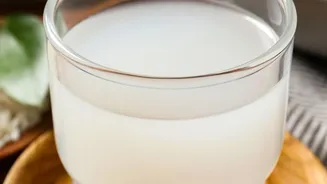
Rice water is not a miracle fertiliser, but it does contain beneficial elements in small amounts. The most significant component is starch, which provides carbohydrates that feed beneficial microbes in the soil. These microorganisms, in turn, help improve soil structure and make nutrients more available to the plant's roots. Beyond starch, rice water contains trace amounts of the 'big three' nutrients for plants: nitrogen (N), phosphorus (P), and potassium (K). It also has B vitamins, such as thiamine and niacin, which can support root development. However, it's crucial to see it as a mild supplement, not a replacement for a balanced fertiliser.
Plain vs. Fermented: Which Is Better?
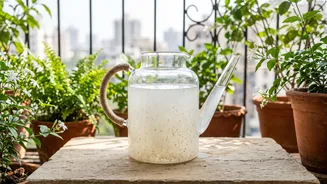
You can use rice water in two ways: fresh or fermented. Fresh rinse water is the easiest to use—simply collect the cloudy liquid from washing uncooked rice and apply it directly to your plants. It’s mild and can be used immediately. Fermented rice water, however, is considered more potent. To make it, you let the fresh rice water sit in a loosely covered jar for two to five days until it develops a slightly sour smell. The fermentation process can increase the concentration of nutrients and beneficial bacteria. Studies have shown this can significantly boost plant growth, but it's more acidic and needs to be diluted (typically one part fermented water to one part plain water) before use.
How to Use It Correctly
Using rice water is straightforward, but a few rules ensure you help, not harm, your plants. First and foremost, only use water from rinsing or boiling rice that is unsalted. Salt can build up in the soil and damage plant roots. If using fresh rinse water, you can apply it undiluted in place of a regular watering. If you've opted for the more potent fermented version, always dilute it. A good starting frequency is to water your plants with rice water once every two to four weeks during the growing season. For apartment residents with small pots, it's especially important not to overdo it, as smaller containers can become waterlogged or develop a starchy crust on the soil surface, blocking oxygen.
Potential Risks and How to Avoid Them
While beneficial, rice water isn't without its downsides if used improperly. The biggest risk for indoor plants is attracting pests. The starch and moisture can create an inviting environment for fungus gnats and mould. Overuse can also lead to a funky, sour smell in your apartment, especially with the fermented variety. Another issue is the potential for a hardened layer of starch to form on the topsoil, which can prevent air and water from reaching the roots. The key to avoiding these problems is moderation. Use rice water sparingly, ensure your pots have good drainage, and allow the soil to dry out between waterings. If you notice any mould or an increase in pests, stop using it and let the soil dry completely.
Best Plants for This Treatment
Most common houseplants can benefit from a periodic dose of rice water. Tropical plants like Pothos and Peace Lilies respond well. It can also be beneficial for vegetables like tomatoes and peppers if you're growing them on a balcony. However, plants that prefer dry conditions, such as succulents and cacti, are not good candidates, as the added starch and moisture can increase the risk of root rot and fungal issues. Plants that love acidic soil, like azaleas, may appreciate the slightly lower pH of fermented rice water. The best approach is to experiment with one or two of your hardier plants first and observe how they react before making it a part of your routine for all your green friends.