





Why the Monsoon is Perfect for Gardening
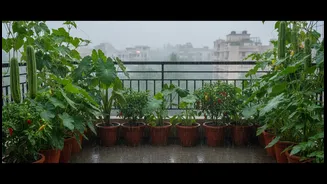
Many beginner gardeners are hesitant to start during the monsoon, fearing that heavy rains will drown their plants. However, the rainy season provides ideal conditions for many vegetables and herbs. The cooler temperatures, high humidity, and naturally
soft rainwater create a nurturing environment for seeds to germinate and plants to flourish. The frequent cloud cover offers a gentle, diffused light that is less harsh than the peak summer sun, preventing delicate leaves from scorching. The key is not to fight the rain, but to work with it by choosing the right plants and ensuring your setup can handle the moisture. It’s a season of growth, and your balcony can be a part of it.
The Right Setup for Small Spaces
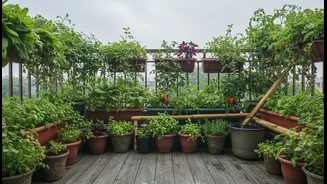
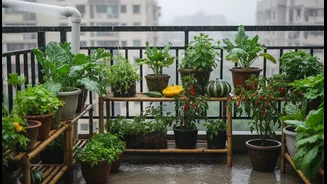
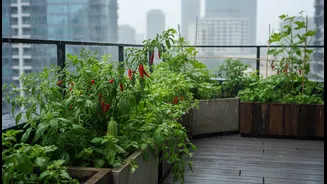
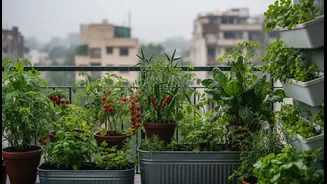
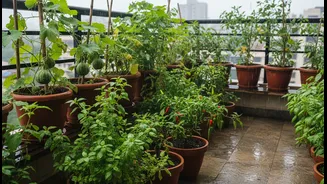
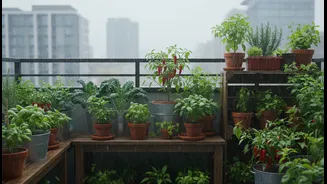
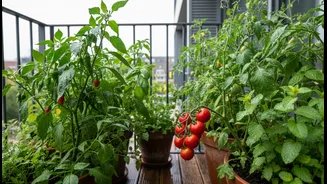
A successful balcony garden begins with a smart setup. Since space is a premium, think vertically. Use railing planters, hanging baskets, and stacked pots to maximize your growing area without cluttering the floor. The most critical factor during the monsoon is drainage. Ensure every container has plenty of holes at the bottom. To prevent waterlogging, which leads to root rot, you can place a layer of pebbles at the bottom of pots or elevate them on bricks or pot stands to allow excess water to escape freely. Opt for lightweight containers like fabric grow bags or plastic pots, which are easier to manage and move, a bonus for renters.
What to Grow: Your Edible Monsoon List
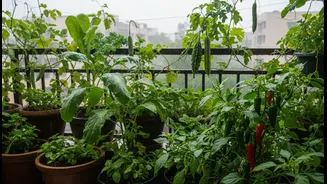
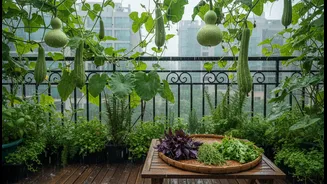
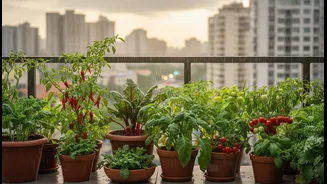
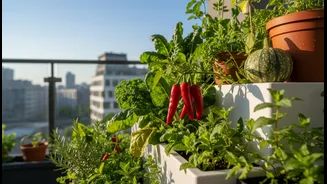
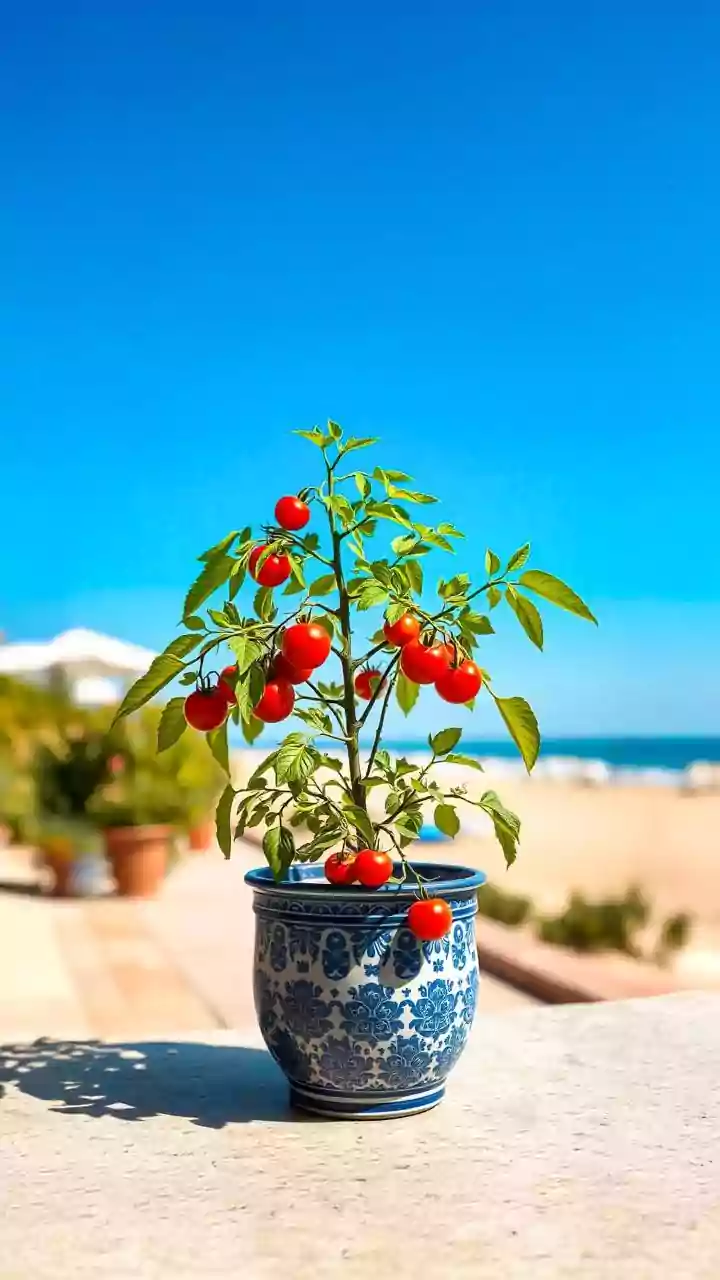
The monsoon is particularly generous to certain plants. For a steady supply of fresh produce, focus on varieties that love humidity and regular moisture. Leafy greens like spinach (palak) and amaranth (chaulai) grow quickly and can be harvested multiple times. Fruiting vegetables such as tomatoes (especially cherry varieties), green chillies, okra (bhindi), and brinjal thrive in balcony pots during this season. Gourds like bottle gourd (lauki) are vigorous climbers and perfect if you can provide a trellis along a railing or wall. For fresh flavours in your daily cooking, herbs are a must. Mint (pudina), holy basil (tulsi), and coriander are incredibly easy to grow in small containers and will love the monsoon climate.
Monsoon-Specific Plant Care
Gardening in the monsoon requires a few adjustments to your care routine. First, adapt your watering schedule. Never water plants that have already been soaked by rain; always check the soil’s moisture by touch. High humidity can encourage fungal diseases and pests. To combat this, ensure good air circulation by not overcrowding your plants. Proactively spray a natural fungicide like neem oil solution once every couple of weeks. When preparing your pots, use a well-draining soil mix. A combination of garden soil, compost, and cocopeat works well, as it holds moisture without becoming waterlogged. This simple mix ensures your plant's roots can breathe, even during a downpour.
Harvesting and Enjoying Your Bounty
The reward for your efforts is a fresh, homegrown harvest. Most monsoon vegetables are quick to mature. Spinach leaves can be plucked within a month, while chillies and tomatoes will provide a continuous supply for weeks. Regularly harvesting not only gives you fresh ingredients for your kitchen but also encourages the plants to produce more. Imagine stepping out to your balcony to pluck fresh mint for your tea or a few chillies for a curry. This connection to your food source is one of the greatest joys of gardening. It transforms a small urban space into a productive and relaxing green sanctuary, proving you don't need a large backyard to enjoy the benefits of growing your own food.