



A Paradise At Risk
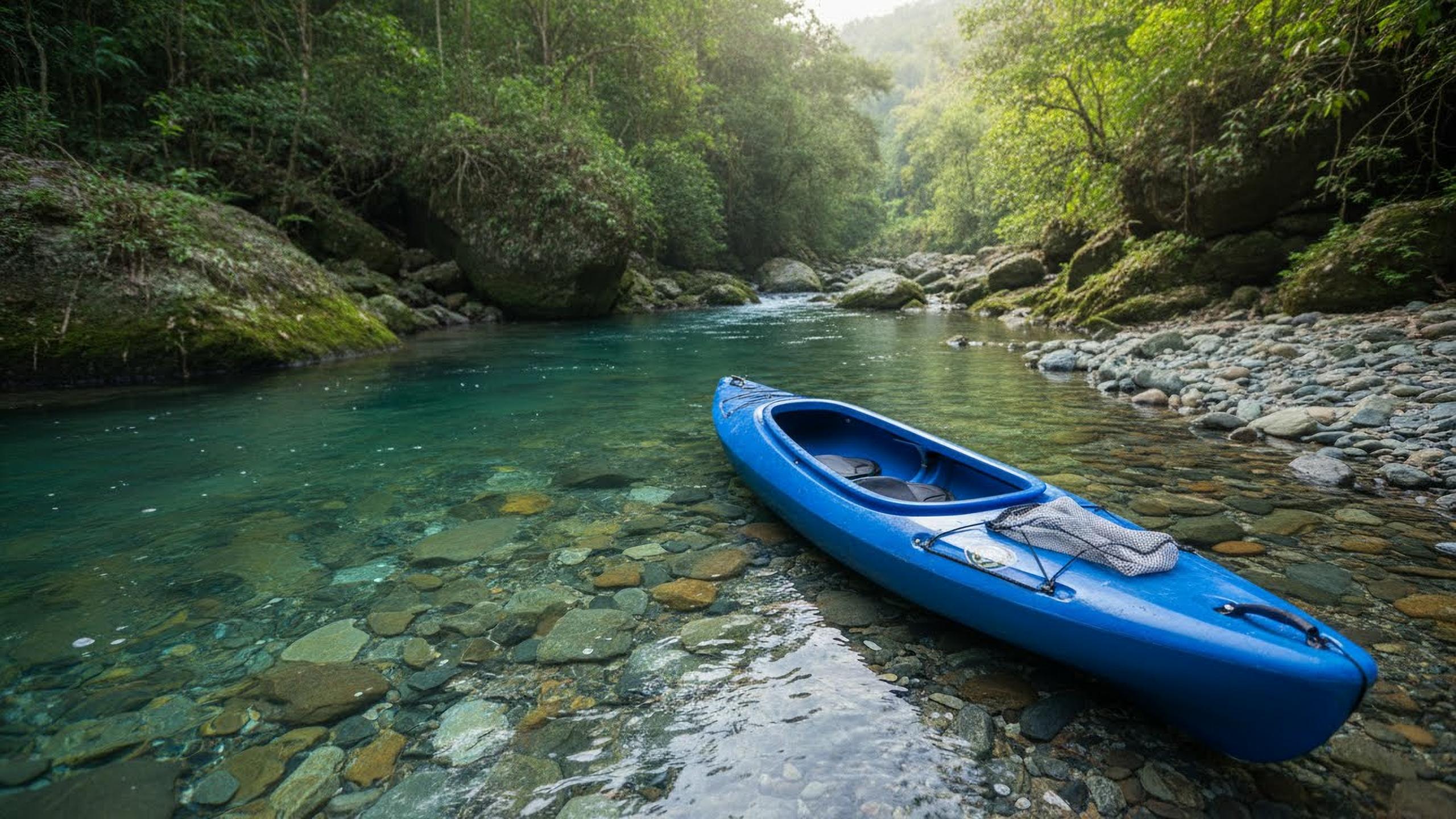
For generations, the Umngot River has been the heart of life for villages like Shnongpdeng, Mawlynnong, and Dawki in Meghalaya’s Khasi and Jaintia Hills. Its crystal-clear water is not just a breathtaking tourist attraction but a vital resource for the indigenous
Khasi communities who depend on it for drinking, fishing, and their daily needs. However, the very popularity that brought economic opportunities has also brought a tide of pollution. Increased tourism, coupled with waste from nearby towns and construction runoff, has begun to tarnish these pristine waters. Plastic bottles, food wrappers, and other debris threaten the delicate aquatic ecosystem and the health of the people who rely on it, turning a source of life into a potential hazard.
Paddles With a Purpose
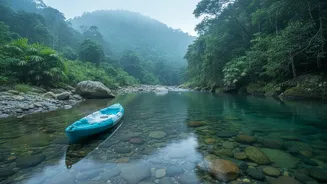
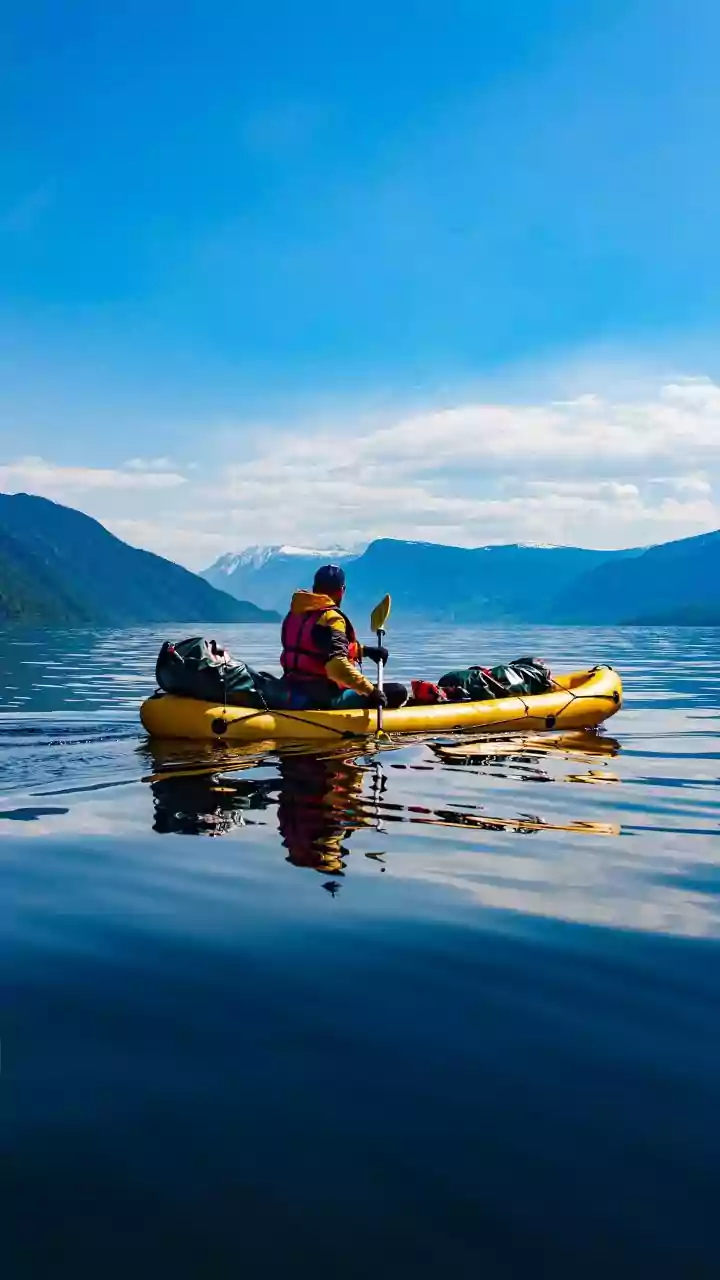
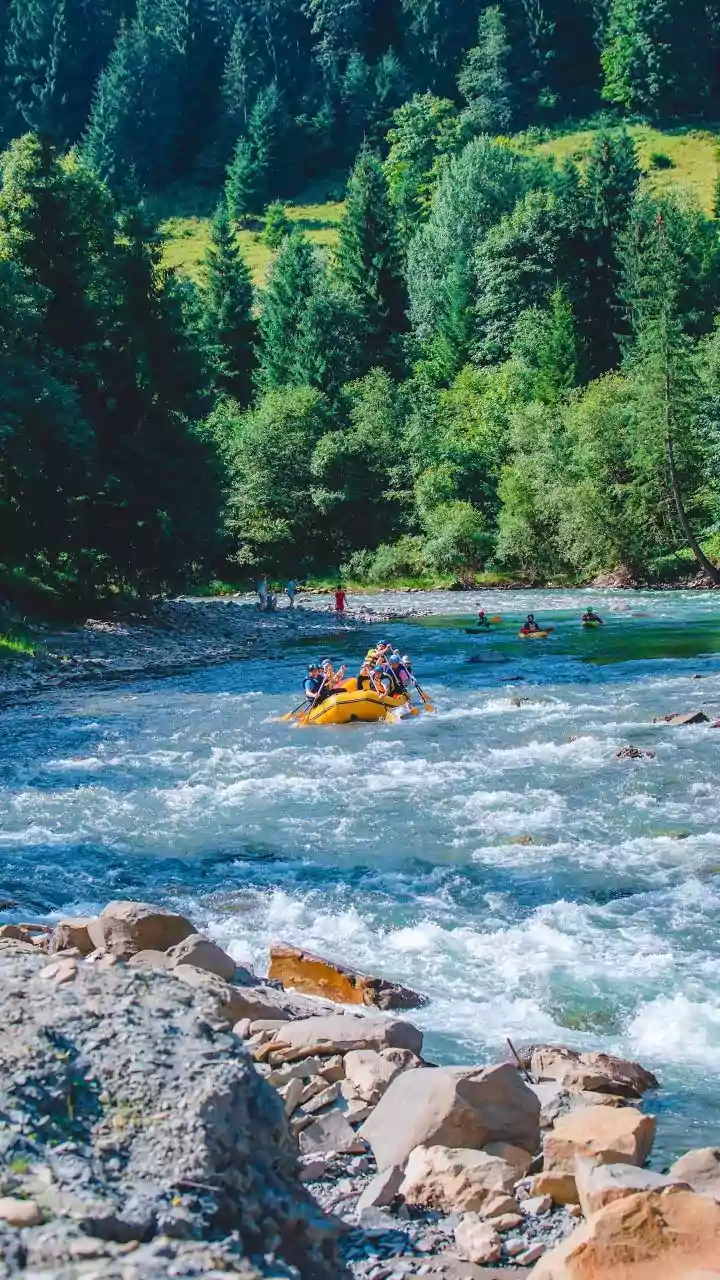
In response to this growing environmental challenge, a new form of activism has taken root on the riverbanks. Local tour operators and community members have launched river-cleaning kayaking expeditions. This isn't your average sightseeing tour. Tourists and volunteers are equipped not just with paddles and life jackets, but also with nets and collection bags. As they navigate the stunning river, they actively retrieve floating garbage. The initiative transforms a recreational activity into a powerful act of conservation. It’s a hands-on approach that directly addresses the problem of visible pollutants, led by the very people whose livelihoods are most connected to the river's health. These efforts are part of a broader push for sustainable and community-based ecotourism in the state.
Protecting Downstream Communities
The impact of this clean-up effort extends far beyond beautification. For the indigenous communities living downstream, a cleaner river means safer water. These villages often draw water directly from the river for household use. The accumulation of plastic and other waste not only poses a direct health risk through contamination but also harms the fish populations that are a crucial source of food and income. By removing pollutants from the water, the kayaking clean-ups help mitigate these dangers. It is a direct intervention that protects the well-being of families and preserves traditional ways of life that have been sustained by the Umngot for centuries. Every bag of trash pulled from the water is a step toward safeguarding the health and heritage of these communities.
A Blueprint for Responsible Tourism
This initiative in Meghalaya offers a compelling model for what responsible tourism can achieve. It demonstrates that tourists can be part of the solution, not just the problem. The program does more than just clean the river; it fosters a deeper connection and sense of stewardship among visitors. When travelers participate in preserving the beauty they have come to admire, it changes their relationship with the place. This model also generates local employment and reinforces the economic value of a pristine environment, creating a sustainable cycle where conservation directly benefits the community. As Meghalaya continues to develop its tourism sector, initiatives like this serve as a powerful blueprint for how to balance growth with the preservation of its unique natural and cultural heritage.