




The Rise of the Conscious Kitchen
The philosophy is simple: use everything, waste nothing. This isn't a new concept, especially in India, where generations have practiced nose-to-tail and root-to-leaf cooking out of respect for resources. Today, this principle is being revived with a modern
urgency, driven by concerns over food waste and a desire for a more sustainable lifestyle. When food scraps like citrus peels end up in landfills, they release potent greenhouse gases. By reimagining what we consider 'waste', home cooks are not just creating new flavours but also making a tangible environmental impact from their own kitchens. This shift turns the daily act of cooking into a powerful statement of sustainability.
More Than Just Zest
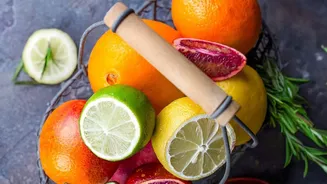
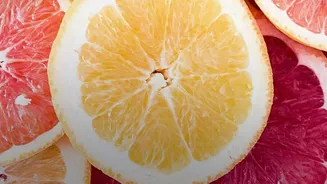
Citrus peels, which can account for a surprising percentage of the fruit's total weight, are a prime target for this movement. Far from being mere protective coverings, these peels are nutritional powerhouses. They are packed with dietary fibre, vitamin C, and potent plant compounds called polyphenols and flavonoids like hesperidin. In fact, scientific studies have shown that the peels often contain a higher concentration of these beneficial compounds than the fruit's flesh itself. These antioxidants are linked to a range of health benefits, from supporting the immune system to promoting heart health. Traditional practices like Ayurveda have long valued citrus peels for their wellness properties, and modern science is now catching up to this ancient wisdom.
Healthy Preserves: A Reality Check
The term 'healthy preserve' requires a closer look. While the peels themselves are nutritious, the healthiness of the final product depends entirely on the preparation method. A classic marmalade or candied peel, for example, requires a significant amount of sugar. While delicious, these should be considered treats. However, there are numerous other, less sugar-reliant methods. Salt-preserved peels, common in Mediterranean and North African cuisine, add a savoury, umami-rich tang to dishes without any sugar. Another method involves creating an 'oleo saccharum', a 'sugary oil' syrup where sugar is used to draw out the intensely flavourful oils from the peel without cooking. You can also dehydrate peels to create aromatic powders for seasoning or blend them into teas. For those looking to maximize health benefits, fermented or salt-preserved peels are excellent options.
From Peel to Pantry Staple
Getting started is easier than you think. One of the simplest preparations is candied citrus peel. This involves blanching the peels in boiling water to reduce bitterness, then simmering them in a sugar syrup until tender. The resulting sweet, chewy strips can be eaten as they are, dipped in chocolate, or used in baking. For a savoury option, try making traditional lemon pickle (nimbu ka achaar), a staple in many Indian households that uses the entire fruit, peel and all. You can also make a versatile citrus salt by simply rubbing fresh zest into coarse sea salt and letting it dry. This adds a vibrant kick to everything from roasted vegetables to grilled fish. Infusing vinegar with citrus peels creates a fragrant, all-natural cleaning solution, further extending the peel's utility beyond the kitchen.
A Few Practical Tips
If you plan to eat the peels, it is best to use organic or unsprayed citrus to avoid pesticide residue, which can concentrate on the skin. Wash all fruits thoroughly before you begin. When preparing peels, try to remove as much of the white pith as possible, as it can impart a bitter taste, unless the recipe specifically calls for it (as in some marmalades where it provides natural pectin). You don't have to use your peels immediately; they can be stored in the freezer until you've collected enough for a recipe. This small habit ensures a steady supply for your zero-waste culinary projects.