







Why Cooler, Drier Air Causes Split Ends
Split ends, known scientifically as trichoptilosis, happen when the protective outer layer of the hair shaft, the cuticle, gets worn down and damaged, causing the strand to fray. While heat styling and chemical treatments are common culprits, environmental
factors play a huge role. After the monsoon, humidity levels drop. This dry air actively pulls moisture out of your hair, leaving it dehydrated, fragile, and far more susceptible to splitting and breakage. Think of it as your hair becoming thirsty, and that thirst leads to damage.
Adjust Your Washing Routine
How you wash your hair is your first line of defence. Over-washing, especially with harsh shampoos containing sulfates, can strip the natural oils that keep your hair moisturised and protected. As the weather gets drier, consider washing your hair less frequently. When you do, opt for a gentle, hydrating, sulphate-free shampoo and always use lukewarm water, as hot water can further dry out your strands. Concentrate the shampoo on your scalp where it's needed most, and let the suds rinse through the lengths of your hair.
Embrace Deep Conditioning and Masks
A regular rinse-out conditioner is essential, but in a drier climate, a weekly deep conditioning treatment or hair mask is a non-negotiable step. These products are formulated to provide an intense dose of moisture that penetrates the hair shaft. Look for products with hydrating ingredients like argan oil, shea butter, or coconut oil. You can also create an effective DIY mask at home. A simple blend of mashed avocado, a tablespoon of honey, and some coconut oil can work wonders to replenish lost moisture. Apply your chosen mask to damp hair, leave it on for at least 20-30 minutes, and then rinse thoroughly.
Seal in Moisture Before Styling
After washing and conditioning, the next step is to lock that moisture in. This is where leave-in conditioners and hair serums or oils become crucial. A good leave-in conditioner creates a protective barrier around the hair strand, preventing moisture from escaping into the dry air. Applying a few drops of a lightweight oil, such as argan or almond oil, to the mid-lengths and ends of dry hair can further seal the cuticle, add shine, and reduce frizz. This simple step acts as a shield against the drying effects of the environment.
Style Gently and with Protection
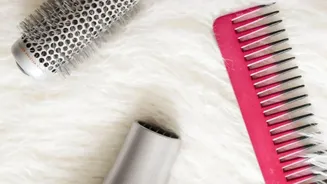
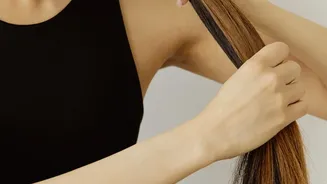
The cooler weather might tempt you to use your blow dryer or flat iron more often, but heat is a primary cause of the damage that leads to split ends. Try to air-dry your hair whenever possible. If you must use heat, always apply a heat protectant spray first. This product creates a barrier that minimises damage from high temperatures. Additionally, be gentle when detangling. Use a wide-tooth comb, starting from the ends and working your way up to the roots to prevent snapping and mechanical stress on the hair.
Nourish Your Hair from the Inside Out
Healthy hair starts from within. No amount of external care can fully compensate for a poor diet and dehydration. Ensure you are drinking plenty of water throughout the day to keep your body and your hair hydrated. Furthermore, a diet rich in certain nutrients is vital for strong, resilient hair. Foods packed with omega-3 fatty acids (like salmon and walnuts), protein (like eggs and Greek yogurt), and iron (like spinach and lentils) provide the building blocks your body needs to grow healthy hair that is less prone to breaking.
Don't Skip Your Trims
While all these steps are excellent for preventing new split ends, they cannot repair existing ones. Despite what some product labels may claim, the only way to truly get rid of split ends is to cut them off. Scheduling a regular trim every 6 to 8 weeks is essential to remove the damaged ends before they can split further up the hair shaft. This not only keeps your hair looking neat and healthy but is also a crucial part of any long-term prevention strategy.