



Why It Matters: The Temperature Danger Zone
The core reason to avoid reheating a whole batch of food repeatedly comes down to food safety. There is a concept known as the 'danger zone', which is the temperature range between 40°F (4°C) and 140°F (60°C). In this range, harmful bacteria can multiply
with alarming speed, sometimes doubling in number in as little as 20 minutes. Every time you cool down a large pot of food and then reheat it, the food passes through this danger zone. The more times you repeat this cycle, the more opportunities you give bacteria to grow. Some bacteria can even produce toxins that are heat-resistant, meaning that even if you heat the food thoroughly later, the toxins may remain and can still make you sick.
The Golden Rule: One Portion at a Time
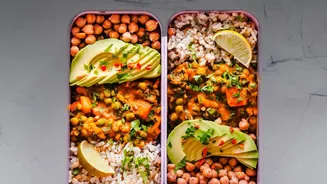
The safest and most effective method is simple: take out only the amount of food you plan to eat and reheat that portion separately. This keeps the main batch of leftovers chilled and stable in the refrigerator, minimising its exposure to the temperature danger zone. Food safety experts generally recommend reheating leftovers only once to minimise risk. While reheating more than once isn't automatically dangerous if done correctly every time, each cycle increases the chances for bacterial growth and toxin production. By portioning out what you need, you ensure the rest of your meal remains as safe as possible for a longer period.
The Right Way to Reheat
When you do reheat your portioned-out meal, it's crucial to do it correctly to kill any bacteria that might be present. Whether you use a microwave, stovetop, or oven, the goal is to bring the food to a consistent internal temperature of 165°F (74°C). This is the temperature at which most harmful bacteria are killed. A food thermometer is the only reliable way to confirm this. For soups, sauces, and gravies, bringing them to a rolling boil is a good visual indicator. If using a microwave, cover the food to retain moisture and ensure even heating, and stir it partway through. Let the food stand for a couple of minutes after microwaving to allow the heat to distribute evenly.
Smart Storage for Better Leftovers
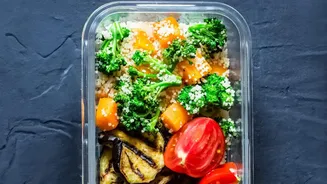
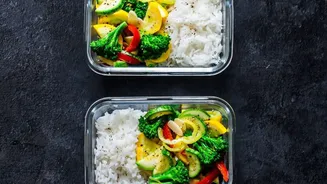
Proper storage is just as important as proper reheating. After cooking, don't leave food to cool on the counter for more than two hours (or one hour if it's a very hot day). To cool food rapidly, divide large batches into smaller, shallow containers before refrigerating. This helps the food cool down quickly and evenly, moving it through the danger zone faster. Always use airtight containers to keep bacteria out, prevent moisture loss, and stop your leftovers from absorbing odours from other foods in the fridge. Most leftovers can be safely stored in the refrigerator for three to four days. If you won't eat them within that time, freeze them to extend their life for several months.
More Than Just Safety: Preserving Quality
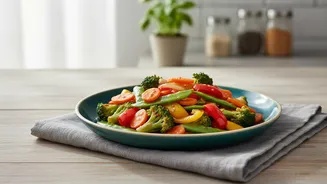
Beyond the safety concerns, repeatedly reheating food takes a toll on its quality. Each trip to the microwave or pan can degrade the texture, flavour, and nutritional value. Meats can become tough and dry, pasta can turn mushy, and delicate vegetables can lose their crispness and colour. Heat-sensitive nutrients like Vitamin C and some B vitamins can also be diminished with each reheating cycle. By only reheating the portion you intend to eat, you ensure that every serving of your leftovers is as delicious and nutritious as possible, preserving the integrity of your original meal until the very last bite.