



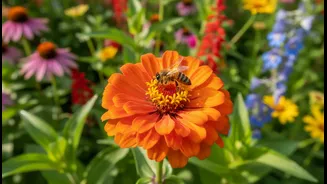


A Small Space with a Big Impact
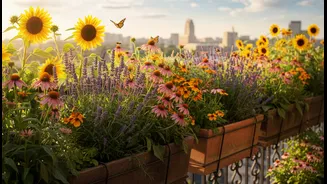
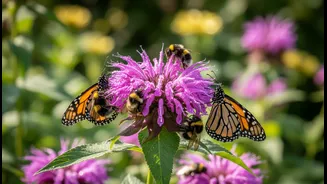
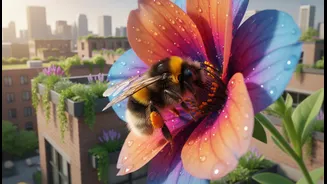
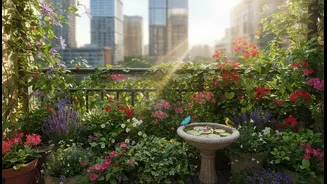
In our growing cities, green spaces are becoming fragmented, making it difficult for bees, butterflies, and other essential pollinators to find food and shelter. Even a small collection of pots on a balcony can act as a crucial 'stepping stone' in this
urban landscape, connecting larger green areas and providing a lifeline for these tiny, hardworking creatures. By creating a pollinator-friendly space, you're not just adding beauty to your home; you're actively participating in urban conservation and supporting the biodiversity that keeps our ecosystems healthy. A single balcony may seem small, but together, a network of them creates a significant, positive impact.
Choose Native and Nectar-Rich Flowers
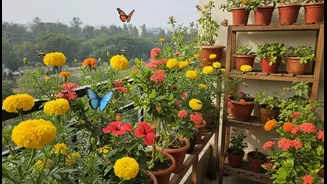
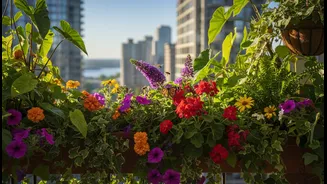
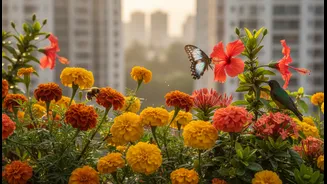
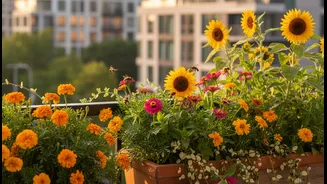
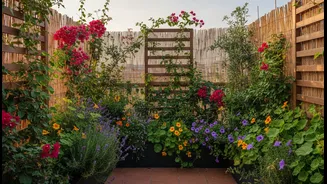
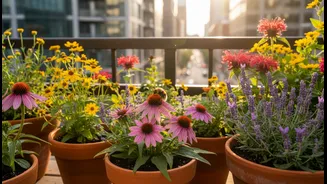
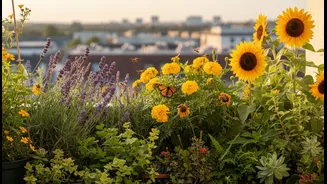
The single most important element of a pollinator balcony is the right selection of plants. While many flowers are beautiful, native plants are the best choice because they have co-evolved with local pollinators and provide the specific nectar and pollen these insects need. For Indian balconies, a mix of colourful, easy-to-grow flowers will attract a wide variety of visitors. Bright marigolds (genda), fragrant jasmine (chameli), and vibrant hibiscus (gudhal) are excellent choices that thrive in our climate. The Butterfly Pea (aparajita) is a wonderful climber for railings, while sacred Tulsi, if allowed to flower, becomes a magnet for bees. Herbs like mint and lavender also provide valuable nectar. Aim for a variety of colours and shapes, and try to have plants that bloom at different times to provide a year-round food source.
Offer a Safe Watering Hole
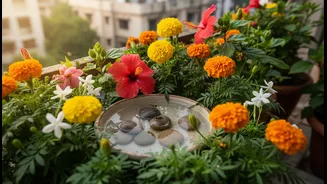
Like all living creatures, pollinators need water to survive, especially during hot weather. However, they can easily drown in open water sources like deep bowls or buckets. Creating a safe drinking station is simple and essential. Take a shallow dish, like a terracotta saucer or an old plate, and fill it with pebbles, marbles, or small stones. Then, add just enough water so that the tops of the stones remain dry, providing a safe landing pad for insects to perch on while they drink. Place this waterer among your plants and remember to clean it and refill it with fresh water every few days to prevent mosquito larvae from developing. This tiny feature provides a huge service to thirsty bees and butterflies.
Go Completely Pesticide-Free
Creating a welcoming space with flowers and water is pointless if you then use chemicals that harm your visitors. Chemical pesticides, herbicides, and fungicides are a significant threat to pollinators. These chemicals can kill insects on direct contact or through residue left on leaves and flowers. Even at low, non-lethal doses, pesticides can impair a bee's memory, navigation, and immune system, making it harder for them to forage and survive. Systemic pesticides like neonicotinoids are absorbed into the entire plant, contaminating the pollen and nectar that pollinators consume. To truly create a sanctuary, you must commit to a pesticide-free approach and embrace natural alternatives.
Embrace Natural Pest Control
Pests can be a nuisance in any garden, but there are many effective, organic methods to manage them without harming beneficial insects. A simple spray made from mild liquid soap and water is effective against soft-bodied pests like aphids. A spray made from neem oil disrupts the growth cycle of many pests without being toxic to pollinators. You can also make deterrent sprays at home using garlic or hot peppers. Companion planting is another excellent strategy; growing marigolds, mint, or basil among your other plants can naturally repel certain pests. Often, a healthy, diverse garden with good soil and proper watering will be resilient enough to handle minor pest issues on its own, creating a balanced ecosystem right on your balcony.