

The New Kitchen Philosophy
For generations, Indian home cooking has been an art form guided by tradition, flavor, and regional identity. While those pillars remain, a new one has firmly established itself: conscious nutrition. A growing number of households are rethinking their
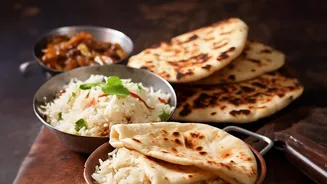
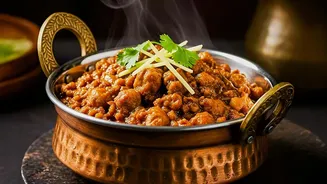
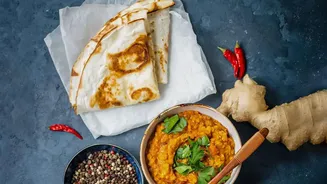
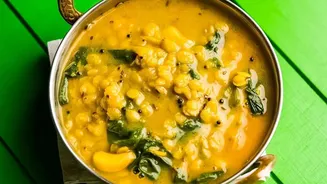
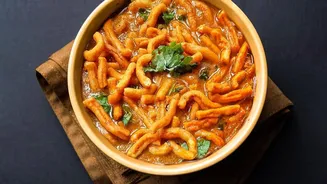
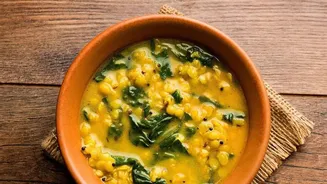
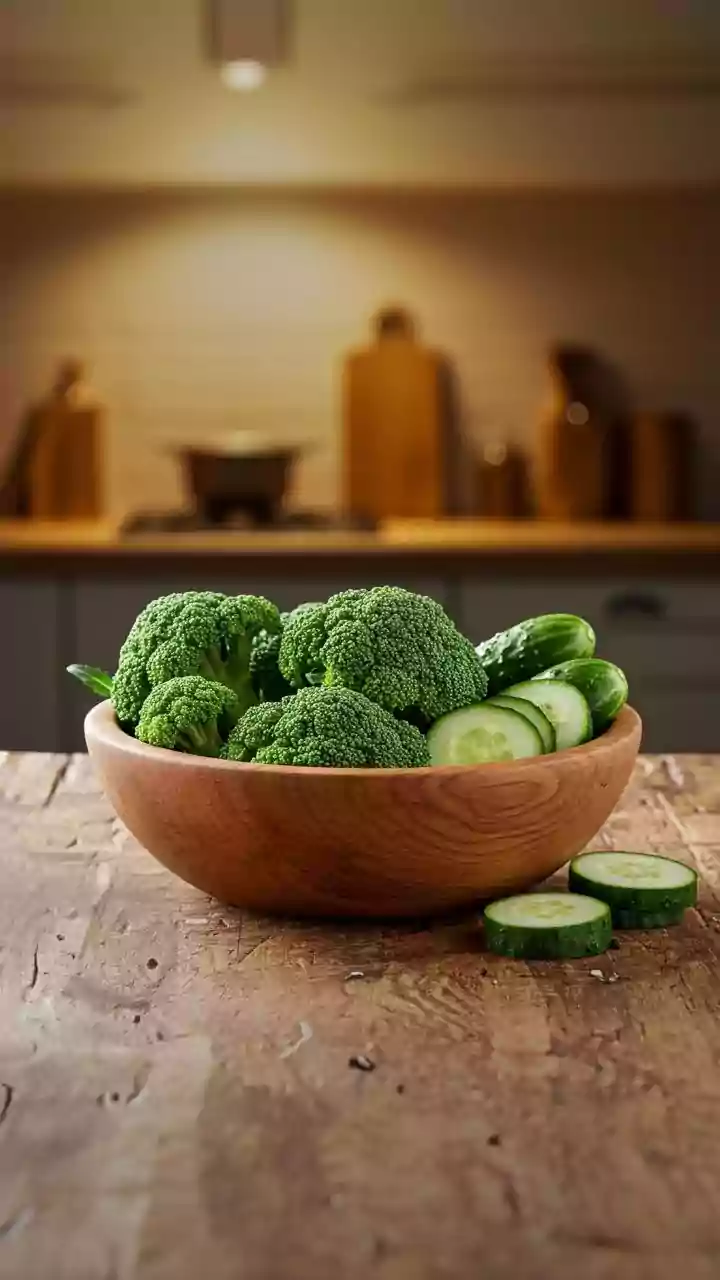
daily menus, not by abandoning beloved recipes, but by re-engineering them for modern health realities. This shift is driven by rising awareness of lifestyle diseases and a desire to take proactive control over wellness. It's less about dieting and more about making smarter, sustainable choices, from reducing oil and sugar to prioritising nutrient-dense ingredients in meals that are still distinctly Indian.
From Pandemic Push to Permanent Habit
The COVID-19 pandemic undoubtedly accelerated this trend, forcing people indoors and making home-cooked meals the default. Studies found that post-pandemic, consumers became significantly more conscious of their food choices, with many reducing their consumption of ready-to-eat products. However, the roots of this change run deeper. Even before 2020, rising health consciousness was pushing consumers to seek healthier options. What started as a necessity has now evolved into a deliberate lifestyle, with a focus on immunity-boosting foods, clean labels, and transparency from brands. Many have realized that home cooking offers the ultimate control over what goes onto their plate.
The Great Millet Comeback
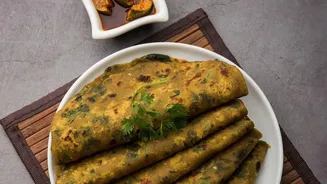
Perhaps no trend illustrates this nutritional makeover better than the resurgence of millets. Grains like ragi, jowar, and bajra, once dismissed as old-fashioned or rural staples, are now celebrated as superfoods. Following a major push by the government and the UN's 'International Year of Millets', these grains are being embraced for their high fiber, gluten-free properties, and rich nutrient profiles. They are no longer just for porridge or simple flatbreads. Creative home cooks are incorporating millet flour into everything from dosas and cookies to modern breakfast bowls, making them a premium choice for health-conscious urban families.
Gadgets That Power Healthy Habits
Technology is playing a crucial role in making this nutritional shift practical. The meteoric rise of the air fryer in India is a prime example. This countertop appliance, which promises the crispiness of deep-frying with a fraction of the oil, has become a staple in many kitchens. Its popularity is a direct reflection of the demand for healthier versions of traditionally indulgent snacks like samosas and pakoras. Beyond air fryers, appliances like high-speed blenders for smoothies, vegetable spiralizers, and smart cooking devices with pre-set healthy modes are empowering home cooks to prepare nutritious meals quickly and conveniently, fitting into busy modern lifestyles.
Reading Labels and Reclaiming Tradition
This new wave of home cooking is also marked by a more informed consumer. People are paying closer attention to nutritional labels, seeking out products with clean ingredients and no artificial additives. There is a growing distrust of highly processed foods, leading to a revival of traditional practices. This includes a return to using traditional fats like ghee, which is being rediscovered for its health benefits, and a focus on gut-friendly fermented foods like homemade curd, pickles, and dosa batter. This blend of modern science and ancestral wisdom is creating a holistic approach to eating that feels both authentic and effective.