




The State of the Monsoon
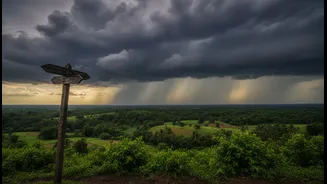
As of early July 2026, the southwest monsoon has advanced across large parts of the country, with the India Meteorological Department (IMD) reporting it is set to cover the entire nation within days. Heavy to very heavy rainfall has been recorded in states
like Maharashtra, Goa, Karnataka, and West Bengal, leading to alerts for flooding, landslides, and transport disruptions. Cities like Mumbai have seen significant impacts, with flight diversions, train delays, and waterlogged streets becoming common. This active phase means travellers must be extra vigilant, as conditions can change rapidly.
Road Travel: Navigating Landslides and Floods
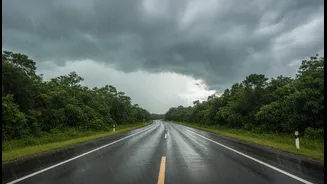
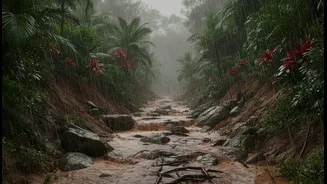
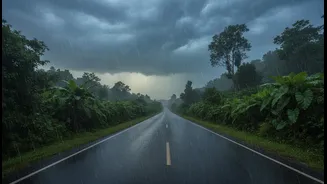
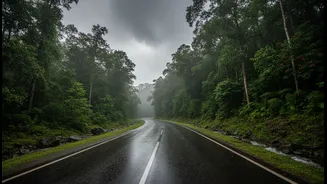
Monsoon makes road trips scenic but treacherous, especially in hilly regions. Landslides are a major risk in the Himalayas and Western Ghats. The IMD has issued flash flood warnings for parts of Himachal Pradesh, Uttarakhand, and areas around the Konkan coast. Before you drive, always check weather advisories and road conditions. It's wise to avoid night driving in ghat sections. If your route is blocked, know the alternatives. For instance, if the Mumbai-Pune Expressway is shut due to landslides in the Bhor Ghat, routes via Malshej Ghat or a longer detour through Nashik can be options, though these also come with their own risks. Having a flexible itinerary is crucial.
Rail and Air: Expect Delays
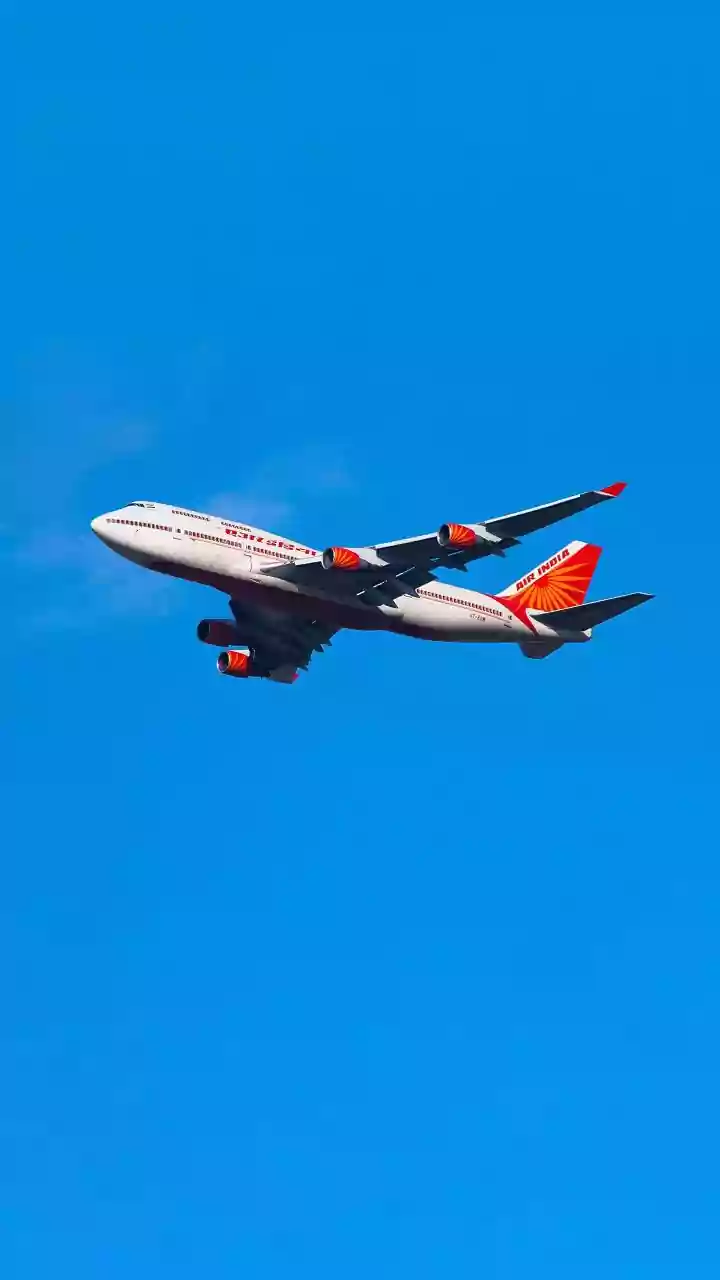
Monsoon weather is a primary cause of delays for flights and trains. Heavy rain and poor visibility have already caused numerous flight diversions and cancellations at major airports like Mumbai. Waterlogging on tracks often leads to suburban and long-distance train services being delayed, rescheduled, or cancelled entirely. To manage this, book morning flights, which are less susceptible to cascading afternoon delays, and avoid tight connections. For train travel, use the official IRCTC Rail Connect app for real-time status updates. Always have a buffer day in your travel plans to accommodate potential disruptions.
Essential Apps for Your Monsoon Kit
Technology can be your best friend during monsoon travel. Before you leave, download a few key apps. For weather, the government's 'Mausam' app provides forecasts directly from the IMD. Google Maps is invaluable for navigation and checking real-time traffic, while apps like MakeMyTrip, Goibibo, or Ixigo can help you quickly book alternative flights, trains, or buses if your primary plan fails. For local transport, Uber and Ola are widely available in cities and can be a safer alternative to hailing a ride on a flooded street. A reliable power bank is a must-have to keep your devices charged through any delays.
Packing Smart for the Rains
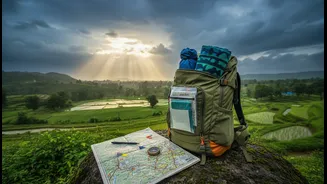
Your packing list needs a monsoon-specific update. Opt for quick-drying synthetic clothes instead of cotton or jeans, which become heavy and take ages to dry. A lightweight waterproof jacket, a reliable umbrella, and non-slip waterproof footwear are non-negotiable. Protect your electronics and important documents by storing them in waterproof bags or zip-lock pouches. Also, carry a basic first-aid kit with medications for common monsoon ailments like colds and stomach bugs, along with a strong insect repellent, as mosquitoes are more prevalent during this season.
Choosing Safer Destinations
If you have flexibility, consider destinations less prone to extreme monsoon-related hazards. While hilly areas like Manali, Darjeeling, and parts of Uttarakhand are beautiful, they are also at high risk of landslides and flash floods. Safer alternatives might include places with better infrastructure and less extreme topography. Destinations like Udaipur, which receives lighter rainfall, or Coorg and Munnar, where the rain enhances the beauty without typically causing major disruptions, can be excellent choices. However, always check local conditions before booking, as no destination is entirely without risk.