



From Household Shrines to Heritage Trails
For generations, Ganesh Chaturthi has been a festival celebrated with devotion within homes and local communities. While these traditions remain the heart of the festival, a growing number of travellers are choosing to step outside their hometowns. They
are driven by a desire to connect with the festival on a deeper level, seeking authentic experiences that go beyond familiar rituals. Instead of simply observing, they want to participate. This has given rise to a new form of cultural pilgrimage, where the journey itself is a celebration. Travellers are flocking to cities like Mumbai, Pune, and Hyderabad, not just as tourists, but as active participants in a centuries-old tradition. This shift reflects a broader trend in travel, where immersion in local culture is the ultimate luxury.
A Culinary Pilgrimage for Bappa's Blessings
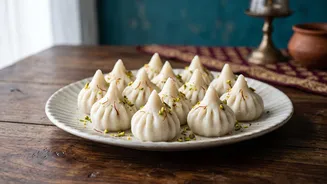
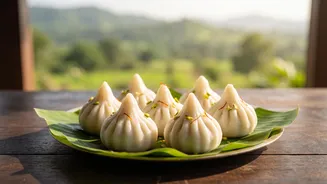
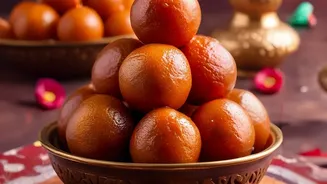
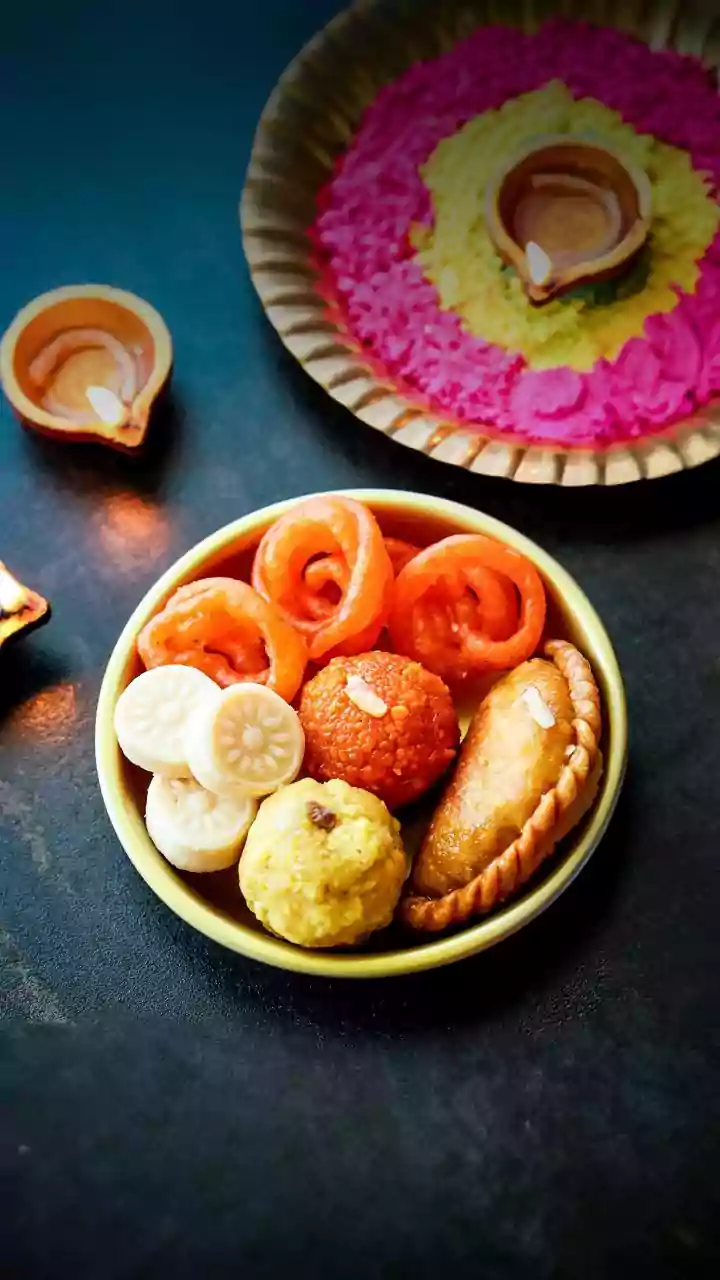
Food has always been central to Indian festivals, and Ganesh Chaturthi is no exception. This new wave of festival travel is deeply intertwined with culinary exploration. Tour operators and local guides are curating specialised food and heritage walks that showcase the festival's gastronomic soul. In Pune and Mumbai, these walks guide participants through historic lanes, stopping at legendary sweet shops and eateries. The star of the show is often the 'Ukadiche Modak', a steamed rice-flour dumpling filled with coconut and jaggery, which is considered Lord Ganesha's favourite. Travellers get to taste these delicacies, often prepared according to age-old family recipes. Beyond modaks, the culinary journey includes savouring specialties like Puran Poli and Varan Bhaat, turning the festival into a delicious exploration of Maharashtra's rich food culture.
Hands-On Heritage and Eco-Conscious Crafts
The desire for authentic experiences extends beyond food. A significant part of this trend involves hands-on participation in the festival's artistic traditions. Across the country, from Rajkot to Visakhapatnam, workshops are empowering people to create their own Ganesha idols. These sessions, often focusing on eco-friendly materials like natural clay (shadu maati), seeds, and even cow dung, allow for a personal connection to the deity. Participants learn about the intricate process of idol-making from local artisans, gaining a newfound appreciation for the craftsmanship involved. This trend not only fosters creativity but also promotes sustainability, a growing concern surrounding the festival. By making and worshipping their own eco-friendly idols, travellers are finding a more meaningful and responsible way to celebrate.
Exploring the Festival's Regional Flavours
While Maharashtra is the epicentre of Ganeshotsav, travellers are discovering the festival’s unique regional expressions elsewhere. In Goa, the celebration, known as 'Chavath', is more intimate and family-centric. A key attraction here is the unique 'Matoli' tradition, where a wooden canopy above the idol is decorated with local fruits, vegetables, and other produce, reflecting the region's bond with nature. Further south, in Karnataka, the festival is often preceded by Gauri Habba, celebrating Ganesha's mother. Meanwhile, Hyderabad draws massive crowds with its colossal Khairatabad Ganesh, an awe-inspiring spectacle of devotion and scale. By venturing to these destinations, travellers are witnessing how a single festival is celebrated in wonderfully diverse ways, each reflecting the distinct cultural fabric of the place.